

A hot water coil boiler is a specialized unit designed to heat water by passing it through a coil or heat exchanger. When water flows through the coil, it absorbs heat from a burner or heat source and becomes hot, circulating through the system to provide heat for residential or industrial needs. These boilers are praised for their efficiency as they convert almost all of the energy input into usable heat. Their compact design and ability to provide both space and water heating make them an attractive option for those seeking reliable and consistent heating solutions.
The Advantages Of Using A Hot Water Coil Boiler For Heating Systems
Hot water coil boilers offer several key advantages for heating systems, including improved energy efficiency and flexibility in application. One major benefit is their ability to heat both water and air simultaneously, providing an all-in-one solution for homes and businesses. Their compact size is another advantage, as they can fit into tight spaces while still offering robust heating performance. These boilers are also relatively low-maintenance, with a simple design that reduces the likelihood of mechanical failures. Additionally, they operate quietly and can be paired with renewable energy sources like solar power for even greater sustainability.
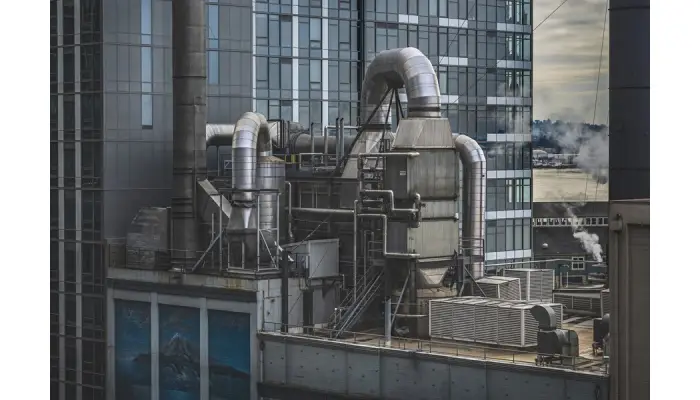
Hot Water Coil Boiler: Key Features To Look For When Installing One
When installing a hot water coil boiler, it is essential to consider key features that ensure efficiency, durability, and ease of use. The material of the coil itself, such as copper or stainless steel, plays a significant role in heat transfer and longevity. It’s also important to evaluate the size and capacity of the boiler to ensure it meets the heating demands of the space. Additionally, a high-quality burner, efficient controls, and safety features like pressure relief valves should be prioritized. Installation should be handled by qualified professionals to ensure optimal performance and compliance with local codes and standards.
Hot Water Coil Boilers Vs. Traditional Boilers: A Detailed Comparison
Hot water coil boilers offer distinct advantages over traditional boilers, particularly in terms of space efficiency and heat delivery. Unlike traditional boilers, which may use large tanks for water storage, hot water coil boilers use a coil or heat exchanger, which can be smaller and more efficient. This allows for quicker heat transfer and a more compact design, making hot water coil boilers ideal for installations with limited space. While traditional boilers often require more maintenance and energy to operate, hot water coil boilers tend to be more energy-efficient, offering lower operating costs and reduced environmental impact over time.
Why Choose A Hot Water Coil Boiler For Residential And Commercial Use?
Hot water coil boilers are an excellent choice for both residential and commercial applications due to their versatile design and energy-efficient operation. For residential use, these boilers provide a compact heating solution, making them ideal for homes with limited space or specific heating needs. They are especially beneficial for homes that need both space heating and hot water, offering a single system for both. For commercial establishments, hot water coil boilers offer reliable and consistent heating, essential for larger buildings or industrial processes. Their efficiency and adaptability make them a smart choice for a wide range of heating applications.
The Role Of A Hot Water Coil Boiler In Modern Heating Solutions
In modern heating solutions, the hot water coil boiler plays a vital role in providing efficient and cost-effective thermal energy. These boilers are especially favored in industries and households that require high amounts of hot water at consistent temperatures. With rising energy costs and the growing demand for sustainability, hot water coil boilers are an ideal choice, offering improved efficiency compared to older systems. They also integrate well with renewable energy sources such as solar thermal or geothermal systems, making them an essential part of contemporary energy-efficient heating solutions that aim to reduce carbon footprints while maintaining performance.
How To Maintain Your Hot Water Coil Boiler For Optimal Performance?
To ensure your hot water coil boiler operates at its best, regular maintenance is key. Start by inspecting the coil for signs of corrosion or mineral buildup, which can reduce heat transfer efficiency. Cleaning the coil and flushing out any sediment can help maintain peak performance. Check the burner and combustion system for proper operation and make sure all safety features, such as pressure relief valves and temperature sensors, are functioning correctly. Additionally, scheduling professional inspections annually will help identify and address potential issues before they become costly repairs, ensuring a long lifespan and consistent heating performance.
Conclusion
In conclusion, hot water coil boilers provide an efficient and reliable solution for heating both residential and commercial spaces. Their compact design, high efficiency, and ability to serve dual functions for water and air heating make them an ideal choice for many applications. While proper installation and regular maintenance are crucial to their performance, the long-term benefits in terms of energy savings and versatility are undeniable. Whether upgrading an existing system or installing a new boiler, the hot water coil boiler is a worthwhile investment for anyone seeking an effective heating solution that combines performance, sustainability, and reliability.
Resources URL