
Sun blocking window film is a popular solution for reducing heat, glare, and UV exposure in homes, offices, and vehicles. It enhances comfort, improves energy efficiency, and protects interiors from sun damage. However, one of the most common concerns among consumers is: how long does sun blocking window film last? The lifespan of window film depends on several factors, including the type of film, installation quality, exposure to environmental elements, and maintenance practices. In this article, we will explore these aspects in detail to help you understand what affects the durability of sun blocking window film and how you can maximize its longevity.
Factors Affecting the Lifespan of Sun Blocking Window Film
Several factors play a role in determining how long your window film will last before needing replacement.
Type and Quality of Window Film
The type of Sun blocking window film you choose has a direct impact on its longevity. Some common types include:
- Dyed Window Film: Typically lasts between 5 to 7 years. While affordable, dyed films are more prone to fading and deterioration over time.
- Metalized Window Film: Can last 10 to 15 years. It is more durable than dyed films and provides better heat rejection.
- Ceramic Window Film: Offers the longest lifespan, often lasting 15 to 20 years or more. It is highly resistant to fading, discoloration, and UV degradation.
- Carbon Window Film: Also a long-lasting option, with an average lifespan of 10 to 15 years. It does not fade as quickly as dyed films and provides excellent heat reduction.
Quality of Installation
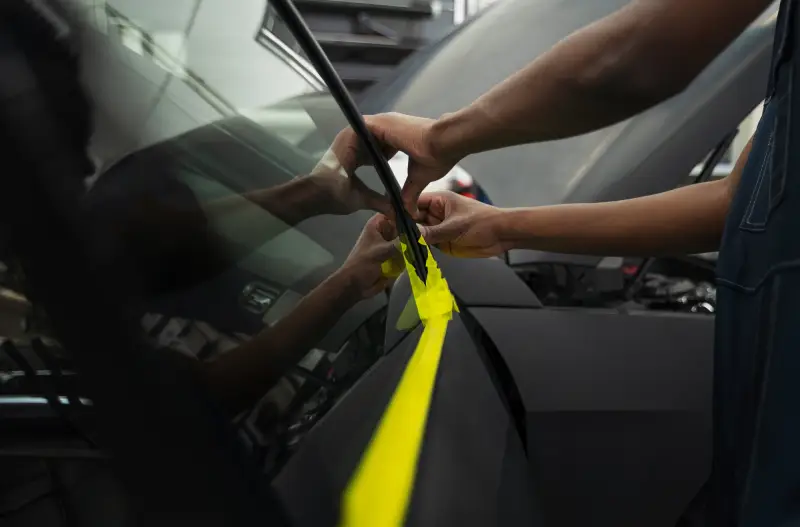
Proper installation plays a crucial role in extending the lifespan of your window film. Professionally installed films tend to last longer because they are applied correctly without bubbles, wrinkles, or peeling edges. Poor installation can lead to premature failure, reducing the film’s effectiveness and durability.
Exposure to Sunlight and Weather Conditions
Window films exposed to intense sunlight and harsh weather conditions degrade faster. UV rays, heat, and humidity can cause the film to deteriorate over time, especially if the film is of lower quality. Window films on south- and west-facing windows tend to wear out faster due to prolonged sun exposure.
Maintenance and Cleaning
Regular maintenance helps prolong the life of sun blocking window film. Avoid using harsh chemicals or abrasive cleaning tools, as they can scratch or degrade the film. Instead, use a soft cloth with mild soapy water or ammonia-free glass cleaners.
Signs That Your Window Film Needs Replacement
Even the best-quality window films will eventually need replacement. Here are some common signs that indicate it’s time to replace your sun blocking window film:
- Fading or Discoloration: Over time, exposure to UV rays can cause some films to fade or change color, reducing their effectiveness.
- Bubbling or Peeling: Poor adhesion or prolonged heat exposure can cause bubbles or peeling at the edges of the film.
- Scratches and Damage: Physical damage from improper cleaning or accidental scratches can weaken the film.
- Reduced Performance: If you notice increased heat or glare inside your space despite having window film, it may be losing its effectiveness.
How to Extend the Lifespan of Your Sun Blocking Window Film?
To get the most out of your window film, follow these best practices:
Choose High-Quality Film
Investing in premium-quality films, such as ceramic or metalized window films, ensures better longevity and performance. While they may cost more initially, they provide better durability and extended life.
Get Professional Installation
Having your window film professionally installed reduces the chances of errors, ensuring a secure and long-lasting application.
Follow Proper Cleaning and Maintenance Practices
- Use a soft microfiber cloth and mild cleaning solution.
- Avoid ammonia-based cleaners, as they can degrade the film.
- Do not use sharp or abrasive materials that could scratch the surface.
Apply Protective Coatings
Some manufacturers offer protective coatings that can be applied over the film to enhance its durability and resistance to wear and tear.
Comparing Window Film Lifespans: Residential vs. Commercial vs. Automotive
The longevity of window film varies based on where it is installed:
Residential Window Film
- Typically lasts between 10 to 20 years, depending on the quality of the film and exposure to sunlight.
- Interior films tend to last longer due to reduced exposure to the elements.
Commercial Window Film
- Expected lifespan ranges from 7 to 15 years due to increased sun exposure in larger glass areas.
- Higher foot traffic may also contribute to faster wear and tear.
Automotive Window Film
- Generally lasts 5 to 10 years, as vehicles are exposed to harsh weather, temperature fluctuations, and road debris.
- Regular use of sunshades and parking in shaded areas can help extend lifespan.
When Should You Replace Your Window Film?
While some window films last decades, others may need replacement sooner. Here’s when you should consider replacing yours:
- After 5-7 years for dyed films (as they fade and lose effectiveness).
- After 10-15 years for metalized and carbon films (if bubbling or peeling occurs).
- After 15-20 years for ceramic films (if discoloration or reduced performance is noticeable).
- If the film no longer blocks heat or UV rays efficiently.
Conclusion
The lifespan of sun blocking window film varies based on its type, installation quality, exposure to environmental factors, and maintenance routine. High-quality films, such as ceramic or metalized options, can last up to 20 years with proper care, while lower-end films may need replacement within 5 to 7 years. Regular maintenance, professional installation, and mindful exposure to harsh conditions can help extend the life of your window film. If you notice fading, bubbling, peeling, or reduced performance, it may be time for a replacement. Investing in a durable film ensures long-term benefits, including energy savings, improved comfort, and interior protection from UV rays.