

Dogs are beloved companions, bringing joy and comfort to millions of households. However, some dogs can exhibit dangerous behavior, leading to potential risks for their owners, visitors, or other animals. A dog bite prevention expert is trained to identify signs of aggression and dangerous behavior in dogs, which is essential for ensuring safety while maintaining a loving relationship with these loyal creatures.
Understanding how experts assess dangerous dog behavior can help prevent unfortunate incidents, such as bites or attacks, and provide insight into how to manage dogs displaying these behaviors. In this article, we will explore how dog bite prevention experts assess and address dangerous behavior in dogs, the common signs to watch out for, and how these professionals can guide owners in handling aggressive tendencies effectively.
What Is a Dog Bite Prevention Expert?
A dog bite prevention expert is a professional who specializes in identifying, assessing, and addressing dangerous dog behavior. These experts come from various backgrounds, including veterinary behavior, animal training, and even psychology. They utilize their expertise to evaluate dogs’ behaviors, provide advice to owners, and help prevent incidents such as bites, attacks, or other forms of aggression.
Dog bite prevention experts play an essential role in creating a safe environment for both pets and people. Their work typically involves assessing a dog’s temperament, understanding the root causes of aggressive behavior, and implementing training strategies or behavior modification techniques to mitigate the risk of harm.
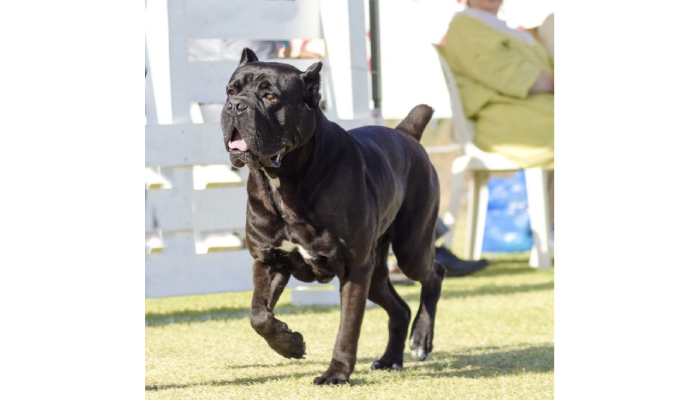
Signs of Dangerous Dog Behavior
Experts use specific behavioral signs to assess whether a dog poses a potential danger to its environment. Recognizing these signs early can help prevent escalation and reduce the risk of bites or attacks. Here are common indicators that experts look for:
Growling and Snarling
Growling is a common sign of discomfort or a warning signal from a dog. While not all growling leads to aggression, a growl coupled with a stiff posture, bared teeth, or a fixed stare could indicate an impending attack. Dog bite prevention experts closely observe how a dog growls to determine its intent.
Raised Hackles
When a dog’s hackles (the hair along the back) are raised, it can signify that the dog is feeling threatened or agitated. Experts assess this behavior in conjunction with other signs, such as body posture and vocalization, to determine if the dog may be preparing to become aggressive.
Lunge or Snapping
If a dog suddenly lunges at someone or snaps without provocation, it can be a clear indication of dangerous behavior. A dog that consistently displays this tendency may be deemed as posing a risk, particularly in high-stress situations.
Aggressive Posture
Aggressive dogs often exhibit specific body language, such as a tense, rigid stance, forward-leaning posture, and a fixed stare. Dog bite prevention experts know how to interpret these signals to gauge whether the dog is about to become aggressive.
Biting Without Warning
In some cases, dogs may bite suddenly, without any prior growling or warning signs. This behavior could indicate fear, pain, or a severe behavioral issue. A professional assessment is crucial to understand why a dog is biting and whether this behavior is likely to be repeated.
The Factors Experts Consider When Assessing Dangerous Behavior
When evaluating a dog’s behavior, dog bite prevention experts take several factors into account to determine the level of danger the dog may pose. Some of these factors include:
Breed-Specific Traits
Certain dog breeds are known for having more aggressive tendencies, though this is not a rule. While breed plays a role in a dog’s temperament, experts understand that individual personalities and the environment significantly impact a dog’s behavior. An expert would consider whether the dog’s breed has a history of aggression, but they also look at the dog’s specific upbringing, training, and experiences.
Early Socialization and Training
How a dog is raised plays a significant role in its behavior. Proper early socialization can prevent many behavior issues, as dogs who are exposed to various people, places, and experiences at a young age are less likely to be fearful or aggressive. Experts will assess whether a dog has been adequately socialized and if there are gaps in its training that may be contributing to aggressive behavior.
Medical History and Pain
Sometimes, a dog’s aggression can be linked to health issues or pain. Dogs that are suffering from injuries, illness, or untreated conditions may act out of frustration or fear. A dog bite prevention expert will typically work in tandem with a veterinarian to rule out any medical issues that could be contributing to the dog’s behavior.
Environmental Factors
The dog’s environment plays a large role in its behavior. Dogs that are stressed, anxious, or fearful due to their living conditions (such as being confined, not having enough exercise, or being exposed to constant noise or unfamiliar people) may display aggressive tendencies. Experts will consider the dog’s living environment when assessing dangerous behavior.
Previous Incidents or History of Aggression
If a dog has already exhibited aggressive behavior or bitten someone, this is a serious red flag. Experts will assess the nature of any previous incidents, including the severity, context, and triggers for the aggression. Dogs with a history of biting or attacking without provocation are at a higher risk for future incidents.
Common Behavior Modification Techniques Used by Dog Bite Prevention Experts
Once a dog bite prevention expert has assessed the dog’s behavior, they will typically implement strategies to modify dangerous behaviors and help the dog learn more appropriate responses. These techniques can include:
Positive Reinforcement Training
This method focuses on rewarding a dog for displaying good behavior rather than punishing bad behavior. Positive reinforcement techniques involve giving treats, praise, or playtime when a dog responds well to commands or behaves in a calm, non-aggressive manner.
Desensitization
Desensitization involves exposing a dog to a situation that causes fear or aggression in gradual, controlled steps. The goal is to help the dog learn that the triggering stimulus (such as a new person or animal) is not threatening. This process requires patience and consistency.
Counter-Conditioning
This technique involves changing a dog’s emotional response to a specific trigger. For example, if a dog becomes aggressive towards strangers, counter-conditioning might involve pairing the appearance of a stranger with a positive experience, like receiving treats or attention, to change the dog’s response.
Proper Exercise and Mental Stimulation
Aggressive behaviors can sometimes stem from pent-up energy or boredom. Experts often recommend increased physical activity, puzzle toys, and mental exercises to help dogs burn off excess energy and stay calm.
Preventing Dog Bites: Expert Tips for Dog Owners
As a dog owner, it’s important to recognize the early warning signs of aggression and take steps to prevent dangerous behavior from escalating. Here are some expert tips:
- Socialize Your Dog Early: Expose your dog to different environments, people, and animals from a young age to help reduce fear and aggression.
- Seek Professional Help: If your dog shows signs of aggression, it’s important to consult a dog bite prevention expert or a qualified dog trainer immediately.
- Keep Your Dog Active: Regular exercise and mental stimulation are essential for keeping your dog calm and happy.
- Understand Your Dog’s Body Language: Learn to recognize the signs of discomfort or aggression in your dog so you can intervene before an incident occurs.
Conclusion
Assessing dangerous dog behavior requires expertise, patience, and a deep understanding of canine psychology. A dog bite prevention expert plays a crucial role in identifying potential risks, preventing dangerous behavior, and helping owners create a safe environment for both their dogs and those around them. By recognizing the signs of aggression, understanding the contributing factors, and implementing effective behavior modification techniques, these professionals ensure that our beloved canine companions remain safe and well-behaved.