
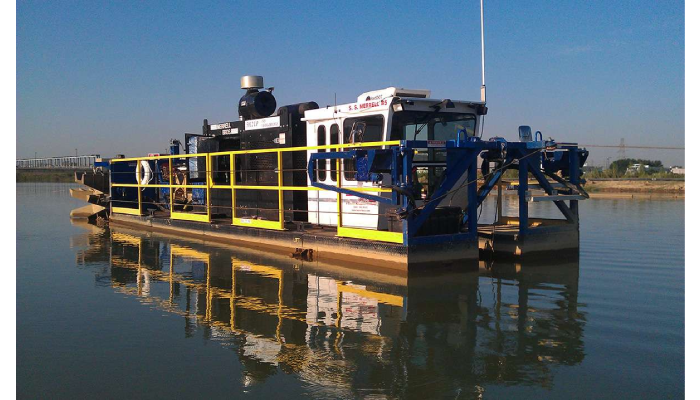
Wastewater management is a critical aspect of industrial and municipal operations. With increasing environmental concerns and stringent government regulations, industries and wastewater treatment plants must ensure compliance with legal standards. One essential process in maintaining regulatory compliance is wastewater dredging. This process plays a crucial role in removing sediments, pollutants, and contaminants from wastewater lagoons, ponds, and treatment facilities, helping organizations meet environmental and legal requirements.
What Is Wastewater Dredging?
Wastewater dredging is the process of removing accumulated sludge, sediment, and contaminants from wastewater treatment systems. This process is essential in preventing overflow, maintaining the efficiency of wastewater treatment plants, and ensuring that discharged water meets environmental safety standards.
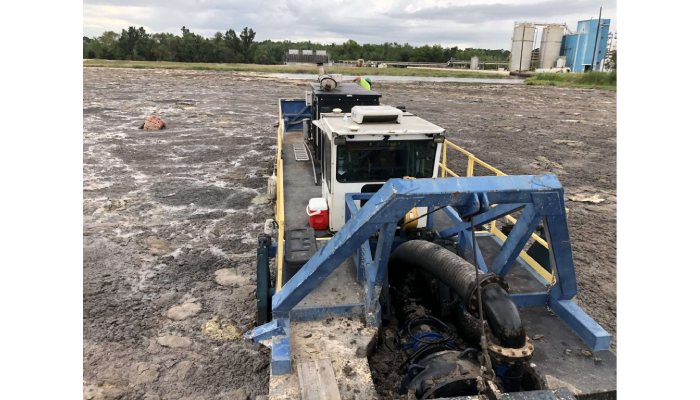
Regulatory Compliance and Wastewater Dredging
Several environmental laws and regulatory bodies oversee wastewater treatment to prevent pollution and protect water resources. Compliance with these regulations is necessary for industries and municipalities. Some key regulations include:
- The Clean Water Act (CWA) in the U.S. – Governs pollutant discharge into navigable waters and establishes quality standards for wastewater treatment.
- Environmental Protection Agency (EPA) Guidelines – Sets limits on industrial wastewater discharge and mandates proper sludge management.
- State and Local Water Quality Standards – Many states and local governments impose stricter wastewater management requirements to protect regional water sources.
Non-compliance with these regulations can lead to hefty fines, legal actions, and reputational damage for businesses and public wastewater facilities.
How Wastewater Dredging Ensures Compliance?
Prevents Pollutant Build-Up
Sediment accumulation in wastewater treatment ponds and lagoons can lead to the release of harmful pollutants, including heavy metals, phosphorus, and organic matter. Regular dredging helps maintain water quality and prevents pollutant exceedance beyond permissible levels.
Enhances Treatment Efficiency
Excessive sludge buildup can hinder wastewater treatment plant operations by reducing water retention capacity and decreasing treatment effectiveness. By removing sediment, wastewater dredging helps maintain optimal plant efficiency, ensuring compliance with discharge limits.
Reduces Risk of Overflow and Contamination
When wastewater lagoons become overloaded with sludge, untreated or partially treated water can overflow, leading to environmental hazards. Dredging helps prevent such incidents by maintaining proper storage and treatment capacity.
Facilitates Safe Sludge Disposal
Many environmental regulations require proper sludge handling and disposal. Dredged materials may contain hazardous substances that need to be treated, landfilled, or repurposed. Proper dredging ensures that waste is managed in accordance with environmental standards.
Types of Wastewater Dredging Equipment
Different dredging techniques are used depending on the nature of the wastewater treatment system and regulatory requirements.
Hydraulic Dredgers
- Uses a suction system to pump sludge and sediment out of the lagoon.
- Minimally disruptive and effective for removing fine particles.
- Often combined with dewatering processes to manage extracted material.
Mechanical Dredgers
- Uses bucket systems or backhoes to physically remove sludge.
- Ideal for heavily contaminated sites requiring precise removal.
- Suitable for cases where waste needs to be segregated for specialized treatment.
Cutter Suction Dredgers
- Features a rotating cutter head that breaks up solid sludge before suctioning it out.
- Used in situations where sediments have hardened over time.
- Effective for removing large volumes of accumulated sludge.
Best Practices for Effective Wastewater Dredging
To maximize regulatory compliance, wastewater dredging should be conducted with proper planning and adherence to best practices:
Regular Monitoring and Sediment Testing
Routine monitoring of sludge levels and composition ensures timely dredging before reaching critical contamination levels. Testing also determines the appropriate dredging method and disposal strategy.
Scheduled Dredging Operations
A proactive dredging schedule helps avoid emergency cleanups and ensures uninterrupted wastewater treatment operations. Facilities should plan dredging intervals based on sediment accumulation rates.
Proper Waste Handling and Disposal
Once removed, dredged material must be managed according to environmental laws. This may involve dewatering, chemical treatment, or repurposing sludge for agricultural or industrial applications.
Utilizing Environmentally Friendly Techniques
Sustainable dredging techniques that minimize disruption to ecosystems and aquatic life should be prioritized. This includes using low-impact hydraulic dredgers and ensuring proper containment of extracted sludge.
Case Studies: Wastewater Dredging in Action
Municipal Wastewater Treatment Plant Compliance
A municipal wastewater treatment facility faced regulatory fines due to excessive pollutant discharge. After implementing a routine dredging program, the plant significantly improved effluent quality, ensuring compliance with EPA standards and avoiding penalties.
Industrial Wastewater Lagoon Management
A manufacturing plant dealing with heavy metal contamination used mechanical dredging to remove toxic sludge. This prevented hazardous discharge into local water bodies and helped the company meet regulatory requirements while maintaining operations.
Conclusion
Wastewater dredging is an essential component of regulatory compliance in wastewater management. By preventing sediment buildup, enhancing treatment efficiency, and ensuring proper sludge disposal, dredging helps industries and municipalities meet environmental standards and avoid legal repercussions. Regular monitoring, strategic dredging schedules, and adherence to best practices further enhance compliance and environmental sustainability. As regulatory requirements continue to evolve, wastewater dredging will remain a critical practice in responsible wastewater treatment and pollution control.
Resource URL: