
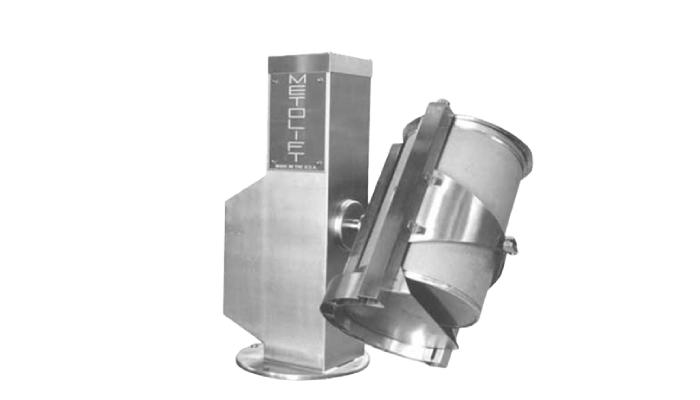
Drum lifters are a critical part of industrial and warehouse operations. As a specialized type of drum handling equipment, these tools are designed to transport, lift, and maneuver heavy drums safely and efficiently. Whether you’re in the chemical, pharmaceutical, food processing, or manufacturing sector, maintaining drum lifters properly ensures not only smooth operations but also the safety of personnel and equipment longevity.
In this article, we’ll walk you through practical maintenance tips for long-lasting drum lifters, along with an understanding of the types of equipment, common issues, and best practices for upkeep.
Why Maintenance Matters for Drum Handling Equipment
Regular maintenance of drum handling equipment isn’t just about preventing breakdowns it’s about protecting investments, enhancing workplace safety, and complying with operational regulations. A well-maintained drum handling device can offer:
- Reduced downtime
- Fewer workplace injuries
- Increased equipment lifespan
- Optimal load capacity and performance
- Compliance with safety standards (e.g., OSHA, ANSI)
Neglecting maintenance, on the other hand, can lead to equipment failure, safety hazards, and unexpected repair costs.
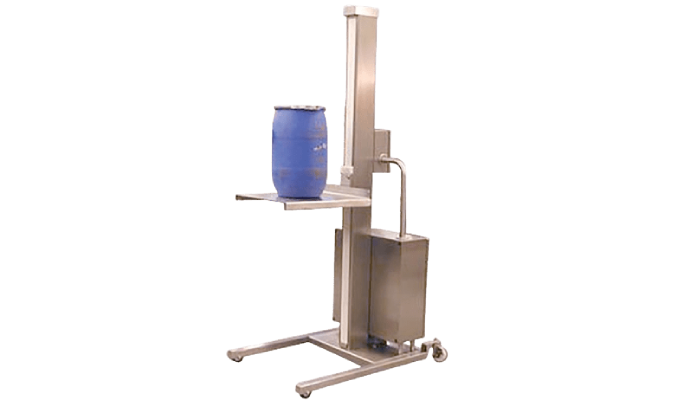
Types of Drum Lifters and Their Maintenance Needs
Understanding the type of drum lifter in use is essential to apply the correct maintenance techniques. Here are the most common types:
Manual Drum Lifters
Used for lightweight operations, these lifters are often simple in design with minimal moving parts.
Maintenance Tips:
- Check for loose bolts and nuts periodically.
- Lubricate joints and mechanical parts monthly.
- Inspect grips or clamps for wear and tear.
Hydraulic Drum Lifters
These are suitable for lifting heavier drums and rely on hydraulic mechanisms for operation.
Maintenance Tips:
- Inspect hydraulic fluid levels regularly and top up when necessary.
- Check for leaks in hoses or pistons.
- Ensure air isn’t trapped in the hydraulic lines (bleed if needed).
Forklift Attachments
These convert standard forklifts into drum handling equipment.
Maintenance Tips:
- Ensure proper fit and secure mounting to the forklift.
- Inspect clamps, arms, and hydraulic connections.
- Check that the attachment aligns well with the forklift’s capacity.
Electric Drum Lifters
Used for automated or high-frequency operations.
Maintenance Tips:
- Check battery health and charging cycles.
- Inspect electrical components and wiring for signs of wear.
- Test safety features like emergency stops regularly.
Daily Inspection Checklist
Implementing a daily inspection routine helps detect issues before they escalate. Here’s a quick checklist for operators:
- Check for visible damage or cracks on frame and arms
- Ensure the grip mechanism holds drums securely
- Verify wheel or caster functionality (for mobile units)
- Look for oil or fluid leaks (for hydraulic types)
- Test lifting and lowering functionality
- Listen for unusual noises during operation
If any issues are detected, the equipment should be tagged and taken out of service until inspected by a qualified technician.
Lubrication and Cleaning Tips
Proper lubrication and cleaning are foundational maintenance tasks that should never be overlooked.
Lubrication:
- Use manufacturer-recommended lubricants.
- Lubricate all pivot points, bearings, and moving joints monthly.
- For electric models, avoid over-lubricating near electrical components.
Cleaning:
- Wipe down equipment after each use to remove residue.
- Avoid harsh chemicals that can corrode metal parts.
- Keep hydraulic parts dry and clean to prevent contamination.
A clean drum lifter not only works better but also allows operators to spot developing issues more easily.
Storage Best Practices
How you store your drum handling equipment has a direct effect on its longevity.
- Indoor Storage: Always store lifters indoors in a dry and shaded location.
- Avoid Exposure: Keep equipment away from moisture, direct sunlight, and chemicals.
- Proper Positioning: Store lifters in their neutral or lowest position to relieve stress from hydraulic or spring-loaded parts.
- Cover It: Use protective covers to shield the equipment from dust and debris.
Training for Operators
Even the best drum handling equipment can wear out prematurely if mishandled. That’s why operator training is a crucial aspect of preventive maintenance.
Training should include:
- Proper use techniques based on equipment type
- Load balancing and drum placement
- Visual inspection routines before and after each use
- Understanding weight limits and operation procedures
Certified training reduces the likelihood of misuse, which can otherwise lead to frequent repairs and equipment failure.
Scheduled Professional Servicing
Besides in-house inspections and maintenance, consider scheduling annual professional servicing with a qualified technician. This includes:
- Load testing
- Hydraulic pressure testing
- Electrical component inspection
- Full diagnostic analysis
- Replacement of worn parts
Many equipment suppliers offer maintenance plans that can ensure compliance and longevity for your drum lifters.
Common Signs Your Drum Lifter Needs Servicing
Don’t wait for a breakdown to act. Here are common red flags indicating that your drum handling equipment needs professional attention:
- Leaking hydraulic fluid
- Loss of lifting power
- Strange noises or jerky motion
- Unstable drum gripping
- Difficulty in lowering or raising drums
- Rust or corrosion on frame or joints
Addressing these issues early can save hundreds, if not thousands, in repairs or replacements.
Conclusion
Proper maintenance of drum handling equipment like drum lifters is not just a matter of keeping operations running—it’s about ensuring workplace safety, protecting your investment, and complying with industry standards. With consistent inspections, correct storage, appropriate lubrication, and well-trained personnel, you can extend the life of your drum lifters significantly.
Invest in the longevity of your equipment, and it will return the favor through reliable performance and fewer costly disruptions.