
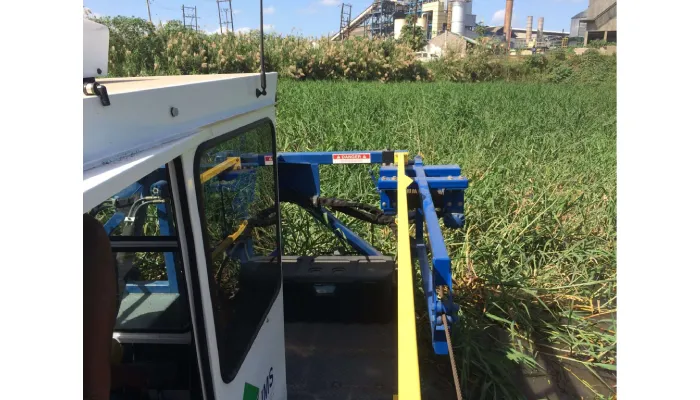
Dredging is a vital task for keeping ponds healthy, as it removes unwanted sediment, debris, and excess nutrients. Regular dredging enhances water quality and circulation while supporting a thriving ecosystem. The buildup of sediment can reduce depth, create unpleasant aesthetics, and lead to poor oxygen levels that harm aquatic life. To maintain your pond’s beauty and health, consider dredging every three to five years at strategic times like early spring or late fall. You can choose from several methods, manual tools for small ponds or more advanced systems like drag buckets for larger areas, to effectively clean your pond while ensuring minimal disruption to its environment.
What is a Vegetation Dredge?
A vegetation dredge is a specialized tool designed to remove unwanted aquatic plants and organic debris from ponds, making it an essential piece of equipment for maintaining pond health. This innovative tool helps manage overgrown vegetation that can negatively impact the water quality and overall ecosystem of the pond. Typically featuring a blade or rake, it effectively cuts through and gathers the plants, ensuring efficient removal. You can operate a vegetation dredge manually or attach it to a motorized system, which adds to its versatility.
One of the standout features of a vegetation dredge is its design, which minimizes disturbance to the pond’s delicate ecosystem. It’s suitable for both small and large ponds, and many models come with adjustable features to accommodate different water depths and types of vegetation. Made from durable materials, these dredges are built to withstand challenging water conditions, ensuring they last for many cleaning sessions. By using a vegetation dredge, you can maintain clear water, improve the pond’s aesthetics, and promote a healthier aquatic environment. Plus, you can combine it with other dredging methods for a comprehensive cleaning experience, making it a valuable tool for any pond owner.

Why Dredging is Necessary for Ponds?
Dredging is crucial for maintaining the health of ponds. It helps restore the proper depth needed for aquatic habitats, ensuring that fish and wildlife thrive. By removing harmful toxins and decaying organic matter, dredging promotes cleaner water, which is essential for a balanced ecosystem. Moreover, it prevents the spread of invasive plant species, allowing native vegetation to flourish. This not only improves water circulation but also supports diverse wildlife, contributing to a vibrant pond environment. Recreational activities like fishing, swimming, and boating benefit from well-maintained ponds, enhancing community enjoyment. Additionally, proper dredging reduces the risk of flooding by maintaining drainage, which is vital for surrounding areas. A well-kept pond can even boost property values, making it a smart investment for homeowners. In essence, regular dredging fosters ecological balance and prolongs the lifespan of your pond, ensuring it remains a beautiful and functional feature for years to come.
When to Schedule Your Dredging?
Scheduling your dredging is crucial for achieving the best results in maintaining a healthy pond. Ideally, you should plan to dredge every 3 to 5 years, but this can vary depending on the specific conditions of your pond and the growth of vegetation. Early spring is a fantastic time to get started, as it allows you to tackle the accumulated muck before plants begin their active growth. Alternatively, late fall is also a prime time, when plants naturally die back, making them easier to remove.
It’s important to avoid the summer months for dredging. This period often coincides with wildlife breeding seasons, and disturbing the habitat can have negative impacts on local fauna. Keep an eye on water clarity and the growth of aquatic plants; these factors can indicate when dredging might be necessary. For instance, a noticeable sediment buildup might signal that it’s time to consider dredging sooner than the typical schedule.
Weather conditions play a role too, as dry periods are preferable for dredging operations. Wet conditions can muddy the water and complicate the process. Additionally, be sure to check local environmental regulations and obtain any necessary permits before proceeding. Finally, consider the usage of your pond. If it’s a popular spot for recreational activities, plan your dredging around peak usage times to minimize disruption. Consulting with professionals can provide tailored advice based on the unique characteristics of your pond, ensuring your dredging efforts are timely and effective.
DIY Methods for Pond Dredging
Dredging your pond can be a rewarding project, and there are several DIY methods you can choose from based on your pond size and your comfort level with tools. For small ponds under 1,000 square feet, manual dredging is a great starting point. With just basic tools like rakes and shovels, you can effectively clear out muck and debris while keeping the process simple and hands-on. If your pond is larger, say up to 1 acre, pump dredging may be the way to go. By using a submersible pump, you can easily suck up sediment from the bottom, making the job more efficient. For even bigger ponds, drag bucket dredging offers a more robust solution. This method involves pulling a bucket with a winch, allowing you to scoop up significant amounts of sediment in one go. If you’re tackling a pond up to 5 acres, consider setting up a pulley dredging system. This advanced technique uses pulleys for precise control, making it easier to manage sediment removal without excessive disturbance. To maximize your efficiency, think about combining these methods, and always prioritize safety by wearing appropriate gear and following guidelines. Plan your dredging process in sections to avoid overwhelm, and create a solid disposal plan for the dredged material to keep it from re-entering the pond. Enlist the help of family or friends for larger projects, making it a fun and engaging experience. Don’t forget to document your process; reviewing your methods can help improve your techniques for the next round of dredging!
Manual Dredging Techniques Explained
Manual dredging is an effective way to clean small ponds, especially where sediment buildup is minimal. For this method, you will need basic tools like hand spades, rakes, and shovels, which allow for targeted muck removal. Start your work from the edges of the pond and gradually move towards the center, focusing on the areas where muck accumulation is heaviest. This approach not only improves the pond’s appearance but also enhances water quality.
While dredging, it’s essential to be mindful of the surrounding ecosystem. To minimize disturbance, consider using a silt fence to temporarily contain disturbed sediment. This way, you protect aquatic life as you work. Regularly check the depth of the pond and adjust your techniques accordingly to avoid over-dredging. Maintain a steady rhythm to keep fatigue at bay, and do not hesitate to take breaks when you need them.
After removing sediment, dispose of it responsibly, ensuring it is placed away from the pond to prevent re-entry. Utilizing local resources or guides can provide additional tips and best practices, making your manual dredging process even more effective. By following these techniques, you can contribute significantly to the health and beauty of your pond!
Pump Dredging: How It Works
Pump dredging is an exciting technique that brings efficiency to pond cleaning. This method utilizes a submersible pump to create suction, effectively removing sediment from the pond’s bottom. It works best in ponds where the sediment is soft enough to be vacuumed easily. To start, you’ll want to begin dredging from the shoreline, methodically making your way toward the center to ensure a thorough clean. Using hoses, the sediment is transported to a designated disposal area, minimizing mess and maximizing efficiency.
When choosing a pump, it’s crucial to ensure it is rated for the size of your pond and the type of sediment you’re dealing with. During operation, keep a close eye on the pump for any clogs or issues that may arise. Adjusting the lengths and angles of the hoses can significantly enhance suction efficiency, allowing for a more effective dredging process. Additionally, conducting dredging during dry weather can help limit water runoff and reduce the chances of sediment re-entry into the pond.
To further optimize your dredging efforts, consider using a filter to minimize the loss of sediment during the pumping process. Regular reviews and maintenance of your equipment will not only prolong its lifespan but also ensure that your pond cleaning efforts are as effective as possible.
Using Drag Bucket Dredging
Drag bucket dredging is a powerful technique tailored for larger ponds that tend to accumulate thicker layers of sediment. To get started, you’ll want to construct a sturdy bucket with a strong frame, ensuring it is securely attached to a winch or tractor. This setup allows you to scoop up sediment effectively by dragging the bucket across the pond floor in a controlled manner. Once you’ve collected the sediment, it’s essential to dump it into an onshore basin or designated area to keep your pond clean.
Planning is key, so make sure to map out your dredging paths to avoid missing any spots. When using the drag bucket, consider its weight and adjust your pulling methods accordingly to maintain efficiency. Utilizing GPS or physical markers can help you keep track of the sections you’ve dredged, minimizing overlap and ensuring thorough cleaning.
Safety should never be overlooked. Always wear proper safety gear to protect yourself from potential injuries while operating the equipment. Regularly evaluate the depth of the dredged areas to avoid over-dredging, which can lead to problems down the line. If you’re looking to enhance your drag bucket’s efficiency, collaborating with local experts can provide valuable insights and tips that can significantly improve your dredging experience.
Setting Up a Pulley Dredging System
A pulley dredging system is an effective way to tackle sediment removal in larger ponds, allowing for precise control and efficiency. Start by setting up pulleys along the shoreline, which will guide your dredging equipment as it moves across the water. Ensure that the ropes you use are strong enough to handle the sediment’s weight; this will prevent any mishaps while you work. The goal is to create a system that allows for smooth movement of the dredging tool, enabling you to reach various areas of the pond effortlessly. Adjusting the tension on the ropes is crucial, as it helps control the depth of dredging, allowing you to remove just the right amount of sediment. Regular inspection of the pulleys and ropes for wear or damage is essential; you want your setup to be safe and reliable. It’s often beneficial to have a team of workers to coordinate efforts, making the dredging process more efficient. Mark specific areas of the pond that need attention to ensure thorough coverage, and plan for the proper disposal of the dredged material to avoid it re-entering the pond. Documenting your setup process can also help you make improvements for future dredging sessions, making each effort more effective.
Techniques for Effective Dredging
To achieve the best results when using a vegetation dredge, it’s important to employ effective techniques. Start by working in sections, which helps manage the dredging process and reduces disruption to the pond’s ecosystem. Aim to remove only 2-3 feet of sediment, preserving the pond’s ecological balance while improving water quality. Discharge the dredged material far enough from the pond to prevent it from washing back in, ensuring that your efforts are not in vain.
Timing is crucial, so conduct dredging during dry weather to minimize sediment runoff into the water. This approach keeps the pond cleaner and enhances the overall effectiveness of your work. Additionally, consider using a combination of dredging methods, like manual and pump dredging, to maximize efficiency based on the specific conditions of your pond.
Monitoring water quality before and after dredging is vital, as it allows you to assess improvements and adjust your techniques accordingly. Pay attention to the characteristics of the sediment and the unique conditions of your pond, making changes as necessary to ensure thorough coverage. Maintain a steady pace during dredging to avoid fatigue, helping you stay focused and effective. For more complex scenarios, don’t hesitate to involve experts who can provide valuable insights and support. Lastly, always stay informed about local regulations regarding dredging activities to ensure compliance and protect the environment.
- Work in sections to manage the dredging process better and minimize disruption.
- Aim to remove only 2-3 feet of sediment to maintain the pond’s ecosystem.
- Discharge dredged material far enough from the pond to prevent it from washing back in.
- Conduct dredging during dry weather to reduce sediment runoff into the water.
- Use a combination of dredging methods to maximize efficiency and effectiveness.
- Monitor water quality before and after dredging to assess improvements.
- Adjust techniques based on sediment characteristics and pond conditions.
- Maintain a steady pace to avoid fatigue and ensure thorough coverage.
- Consider involving experts for complex dredging scenarios.
- Stay informed about local regulations regarding dredging activities.
Common Questions About Pond Dredging
If you’re wondering about the best methods for small ponds, manual or pump dredging is usually the way to go. Early spring or late fall are ideal times for dredging, as they allow you to avoid disrupting wildlife during the summer months. As for depth, it’s important to limit your dredging to 2-3 feet to keep the pond’s design and ecosystem healthy. Yes, you can absolutely perform manual dredging for targeted muck removal, making it a feasible option for smaller areas. If you’re looking for alternatives, consider using aeration systems or beneficial bacteria to maintain your pond’s health. When it comes to disposing of dredged material, make sure to deposit it away from the pond to prevent it from re-entering. For DIY dredging, basic tools like shovels, rakes, and pumps can work well for smaller projects. You can tell if your pond needs dredging by monitoring water clarity, vegetation levels, and sediment buildup. The cost of dredging can vary widely based on the pond’s size, the method used, and whether you choose to hire professionals. And yes, many experts specialize in pond dredging services if you prefer to leave it to the pros!
Maintaining a Healthy Pond Ecosystem
To keep your pond thriving, regular monitoring of water quality is essential. Test for pH, dissolved oxygen, and nutrient levels to ensure a balanced environment. Introducing native aquatic plants and fish species can boost biodiversity, creating a more resilient ecosystem. Properly feeding your fish helps prevent excess waste, which can lead to water quality issues. Limit chemicals to maintain natural filtration and reduce pollution. Establish buffer zones with vegetation around the pond to combat erosion and protect the shoreline. Keep an eye out for invasive species, as early removal is crucial to maintaining balance. Using aeration devices can enhance oxygen levels, especially in the warmer months when oxygen depletion is a risk. Installing a skimmer or fountain not only improves water circulation but also adds to the pond’s visual appeal. Educating your community about proper pond care fosters a sense of stewardship and shared responsibility. Lastly, consider seasonal assessments to adapt your maintenance strategies in response to changing conditions, ensuring your pond remains a healthy habitat for years to come.
Resource URL: