
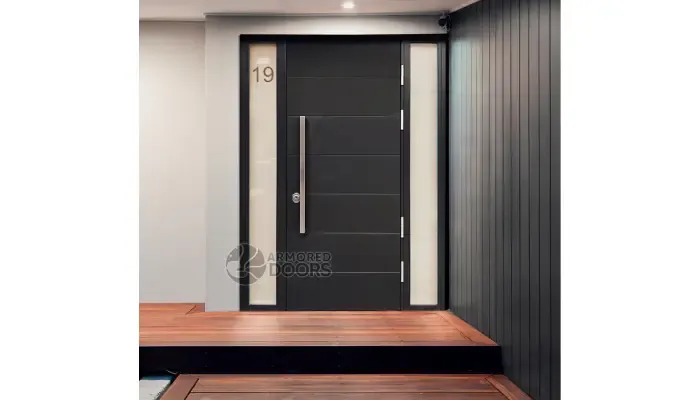
Choosing the right location for a residential safe room involves careful consideration of several factors. Start by assessing potential risks like severe weather or crime in your area. Accessibility is key, so select a central, ground-floor spot that’s easy to reach during emergencies. Focus on areas with strong structural support and away from large windows or flood-prone zones. Ensure good ventilation and utility access, while also providing privacy from intruders. Check local building codes to remain compliant and consider specific locations like basements or interior rooms for safety. Lastly, have an emergency plan and keep essential supplies stocked for readiness should the need arise.
1. Assess Potential Risks and Threats
To effectively choose a location for your safe room, start by assessing the potential risks and threats in your area. Look into the types of natural disasters that are common, such as floods, earthquakes, or wildfires. Understanding how frequently these events occur and their severity can help you gauge how much protection you need. Additionally, researching local crime statistics is crucial, as the levels of burglary or home invasions can impact your safety. Consulting with emergency management agencies can provide valuable insights into regional threats, helping you stay informed about possible hazards.
Consider the proximity of nearby industrial facilities that may pose risks, such as chemical spills, and evaluate the potential for civil unrest or community disturbances. Historical events in your area can also indicate future risks; for example, if your neighborhood has a history of flooding, that should factor into your decision. Talking with neighbors about their experiences and concerns can give you a clearer picture of the local safety landscape.
Finally, analyze your property’s layout and construction type to identify vulnerabilities. Review your insurance policies to understand what types of risks are covered, ensuring your safe room is adequately protected against the threats most relevant to you. Staying informed about the impacts of climate change is also important, as shifting weather patterns may alter risk levels in your region.

2. Accessibility and Convenience
When choosing a location for your residential safe room, accessibility and convenience should be key considerations. The safe room should be easy to find, even in low visibility situations, such as during a storm. Clear signage can help direct family members to the safe room quickly. Ensure that the paths leading to it are free from obstacles or clutter, making it easier for everyone to reach the safe room quickly in an emergency.
Ideally, the safe room should be located near bedrooms, which allows for quick access during nighttime emergencies. If possible, keeping the safe room on the ground floor can also aid accessibility, especially for those with mobility issues. It is also wise to incorporate a secondary exit in case the primary route is blocked, providing an additional layer of safety.
Good lighting is essential, so consider using battery-operated lights or glow-in-the-dark markers along the path to the safe room. Regularly practicing drills will ensure that all family members, including pets, know how to reach the safe room swiftly. Additionally, evaluate any physical limitations family members may have to ensure everyone can access the safe room comfortably.
- Ensure the safe room is easy to find, even in low visibility situations, like during a storm.
- Create clear signage that directs family members to the safe room.
- Make sure access routes to the safe room are free from obstacles or clutter.
- Plan for the safe room to be near bedrooms to quickly reach during nighttime emergencies.
- Incorporate a way to communicate with the outside world from the safe room, like a two-way radio or mobile phone.
- Consider installing a secondary exit for added safety if the primary route is blocked.
- Keep the path to the safe room well-lit, using battery-operated lights or glow-in-the-dark markers.
3. Structural Integrity
When choosing a location for your safe room, the structural integrity of your home is crucial. Start by assessing the foundation for any signs of damage or weakness, as this could compromise the safety of your safe room. Ideally, select rooms with minimal windows to lower the risk of injury from shattered glass during severe weather. It’s also important to check for overhead fixtures that might fall during storms, which could pose additional hazards.
Rooms with load-bearing walls and solid structural support, such as basements or interior rooms, offer better protection. Ensure that the roof structure can support any necessary reinforcements, and consider incorporating steel reinforcement bars for added strength. Avoid placing your safe room near large trees that could fall during storms, and investigate potential flooding risks. Opt for a location that is elevated or equipped with a sump pump to mitigate flooding concerns. Additionally, review the overall design of your home to ensure it is structurally sound. If you have doubts about specific areas, consulting a structural engineer can provide valuable insights. Finally, use local building materials that are resilient to your area’s climate, as this can enhance the durability of your safe room.
4. Ventilation and Utilities
Ventilation is a key factor when selecting a safe room location. It is essential to install vents to ensure fresh air circulation, especially during extended stays. You might also want to include a small battery-operated fan to help improve airflow if conditions become stuffy. Planning for a backup power source is critical; this will keep your communication devices charged and functional, so you’re not cut off from vital information. It’s wise to ensure there is a landline or that you have a reliable cell signal available inside the safe room. Additionally, installing a carbon monoxide (CO) detector can help monitor air quality, guarding against potential gas leaks or other hazards. Access to clean water is another necessity, consider storing bottled water or even installing a water filtration system. Staying informed during emergencies is crucial, so maintaining a battery-operated radio will allow you to receive updates. If you want a more sustainable option, think about incorporating a solar panel system for power. It’s also important to ensure you have a light source, like LED lanterns, in case of power outages. Lastly, keeping all utilities in good repair will help prevent failures when you need them the most.
5. Privacy and Security
When selecting the location for your safe room, privacy and security are paramount. It is important to choose an area that is not easily identifiable from outside the home, which can help prevent potential intruders from targeting it. Reinforcing the safe room door with a deadbolt lock adds a crucial layer of security, while a reinforced door frame can withstand force, enhancing protection against unauthorized access. If your safe room has windows, consider using window coverings or blackout curtains to maintain privacy and keep the interior hidden from view. Adding a security camera or peephole allows for monitoring who is outside the door, providing peace of mind. An alarm system that includes the safe room can further enhance security, alerting you to any breaches. Soundproofing the room is another effective measure, keeping outside noise at bay and ensuring you remain undetected during emergencies. For added safety, installing a safe or lockbox for important documents and valuables is wise. Educating family members about the security measures in place and how to use them is vital, ensuring everyone knows what to do in case of an emergency. Lastly, regularly checking and maintaining all security features will help ensure they are operational when needed most.
6. Compliance with Building Codes
It’s essential to ensure that your safe room meets local building codes and regulations. Start by contacting your local building department to get the latest updates on codes related to safe room construction. Compliance includes meeting minimum requirements for wind and impact resistance, which are crucial for safety during severe weather events. Organizations like FEMA provide guidelines that can help you design a safe room that adheres to these standards. It’s wise to document all construction work to demonstrate compliance with local laws, as this can help avoid legal issues down the line. Hiring a licensed contractor who is familiar with safe room standards can also be beneficial, ensuring that all materials used are approved and compliant. Additionally, regularly review and update your safe room to align with any changes in legislation. Going beyond the minimum code requirements by incorporating extra safety features can enhance your room’s effectiveness. Involving local emergency services in your planning can provide valuable insights into safe room standards and best practices. Also, keep an eye out for community programs that may assist with safe room construction, making the process smoother and more affordable.
7. Specific Location Recommendations
Choosing the right location for your safe room is crucial. A basement is often the best option, as it provides excellent protection from external threats, especially if flooding is not a concern. If a basement isn’t available, consider an interior closet on the first floor. These spaces are typically more secure and allow for quick access during emergencies. For those who prefer above-ground options, a fortified safe room that is easily accessible can be a good choice, but ensure it is designed to withstand potential threats.
Avoid areas with large windows or those that could easily be compromised, such as rooms on the exterior of the house. Select locations that are close to exits, enabling a swift escape if necessary. Low-traffic areas within the home can help minimize disruptions during a crisis. Additionally, think about a room that can be modified later if your safety needs evolve. Before deciding, research any zoning laws that might impact your safe room’s location, and discuss safe room placements with neighbors who have experience in this area. Lastly, evaluate your home’s landscaping to make sure it does not create additional hazards.
8. Reinforcement and Security Features
Reinforcement and security features are crucial when selecting a safe room location. First, consider installing impact-resistant windows if any openings are present, as they can withstand significant force from outside threats. A heavy-duty door frame is essential to prevent forced entry, so opt for a solid metal door or reinforce existing doors with steel for added strength. Walls made of reinforced concrete or steel offer superior protection against both weather events and intrusions. For extra security, a secondary locking mechanism can be beneficial, ensuring the room remains secure even if the primary lock fails. The door should open inward to avoid being blocked by debris during an emergency. If security is a major concern, think about using bullet-resistant materials for your safe room. A small, reinforced window allows for visibility while maintaining safety. Tamper-proof hinges, secured from the inside, further enhance the overall security of the room. Additionally, evaluate safe room kits designed specifically for enhanced security, which can simplify the reinforcement process. Lastly, regularly test and maintain all security features to ensure they function properly when needed.
9. Create an Emergency Plan
Creating an effective emergency plan is essential for ensuring that everyone knows their role during a crisis. Start by outlining specific roles for each family member, such as who will gather supplies or who will help younger children. Establish a timeline for how quickly each person can reach the safe room, taking into account the layout of your home and any mobility issues. Regularly rehearse the plan to identify potential issues, allowing everyone to become familiar with the process. Include a contact list of emergency services and family members outside the home, ensuring that everyone knows how to reach out in case of separation. It’s crucial that each person understands how to operate the locking mechanisms of the safe room, so practice this as well. Discuss various scenarios that may require using the safe room, such as natural disasters like tornadoes, or home invasions, to prepare everyone mentally. Provide instructions for shutting off utilities if necessary before entering the safe room, as this could prevent additional hazards. Establish a meeting point outside the home in case of evacuation, ensuring everyone knows where to go. Visual aids or diagrams can be especially helpful for younger family members, making the plan easier to understand. Finally, review and update the emergency plan annually or after any significant changes in your household, ensuring it remains relevant.
10. Stock the Safe Room
When preparing your safe room, it’s essential to stock it with the right supplies to ensure your family’s safety and comfort during emergencies. Start by creating a checklist of essential items. Include non-perishable food items that require no preparation, such as energy bars and dried fruits, to keep everyone nourished. Make sure to have enough water for each family member, aiming for at least 72 hours’ worth. It’s also crucial to stock first aid supplies, including bandages, antiseptics, and any necessary medications, to address injuries or health issues that may arise.
Consider including tools like a multi-tool or knife, which can be invaluable in various situations. Store copies of important documents, such as identification and insurance information, in a waterproof container to protect them from damage. To enhance comfort during longer stays, incorporate items like blankets or pillows. Regularly check the expiration dates on food and medical supplies to ensure everything is usable when needed. If you anticipate extended use of the safe room, having a portable toilet can help maintain hygiene. Lastly, ensure there are sufficient batteries for flashlights and any other electronic devices to keep everyone safe and informed.
Resource URL: