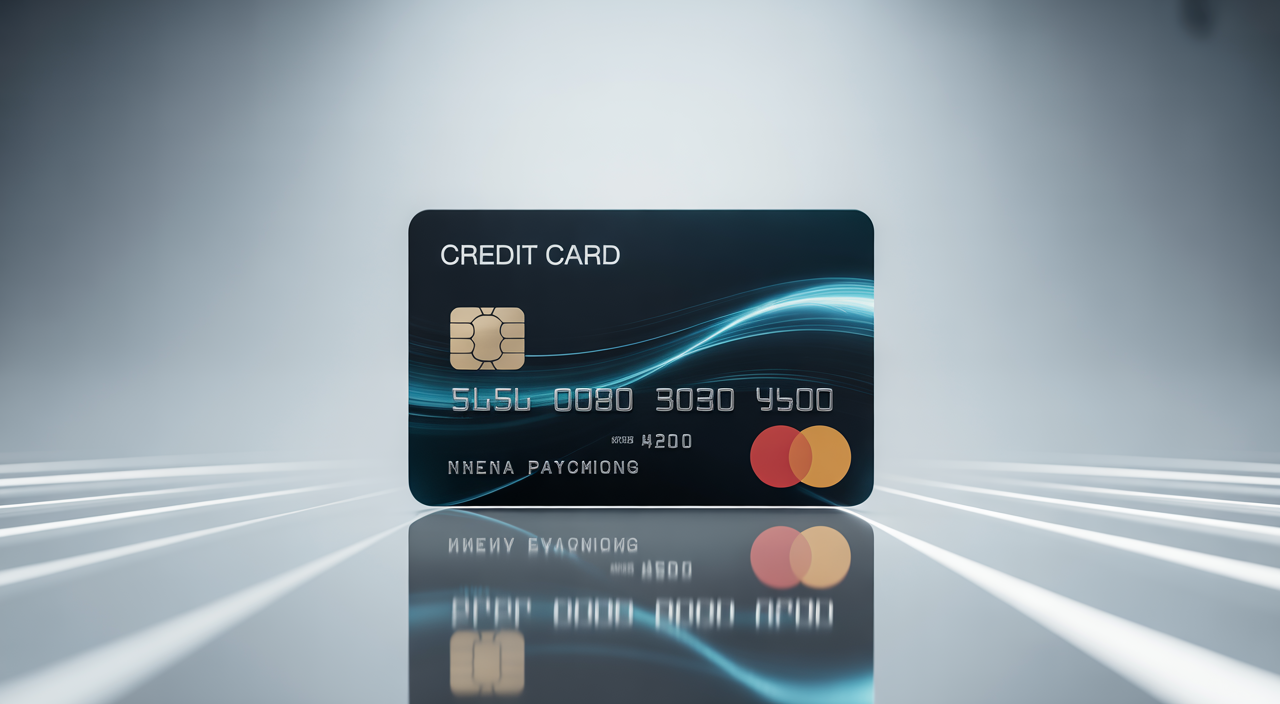
Heard a lot about UPI-linked cards and wondering what a UPI Credit Card actually is, how it works, and whether it suits your lifestyle? You are not alone. Digital payments in India are evolving fast, and this new option brings the power of credit to your favourite UPI apps.
In simple terms, a UPI Credit Card lets you pay via UPI while the money is billed to your credit card instead of going straight from your bank account. This means you keep using the apps you already love while enjoying rewards, cashback, and a flexible billing cycle.
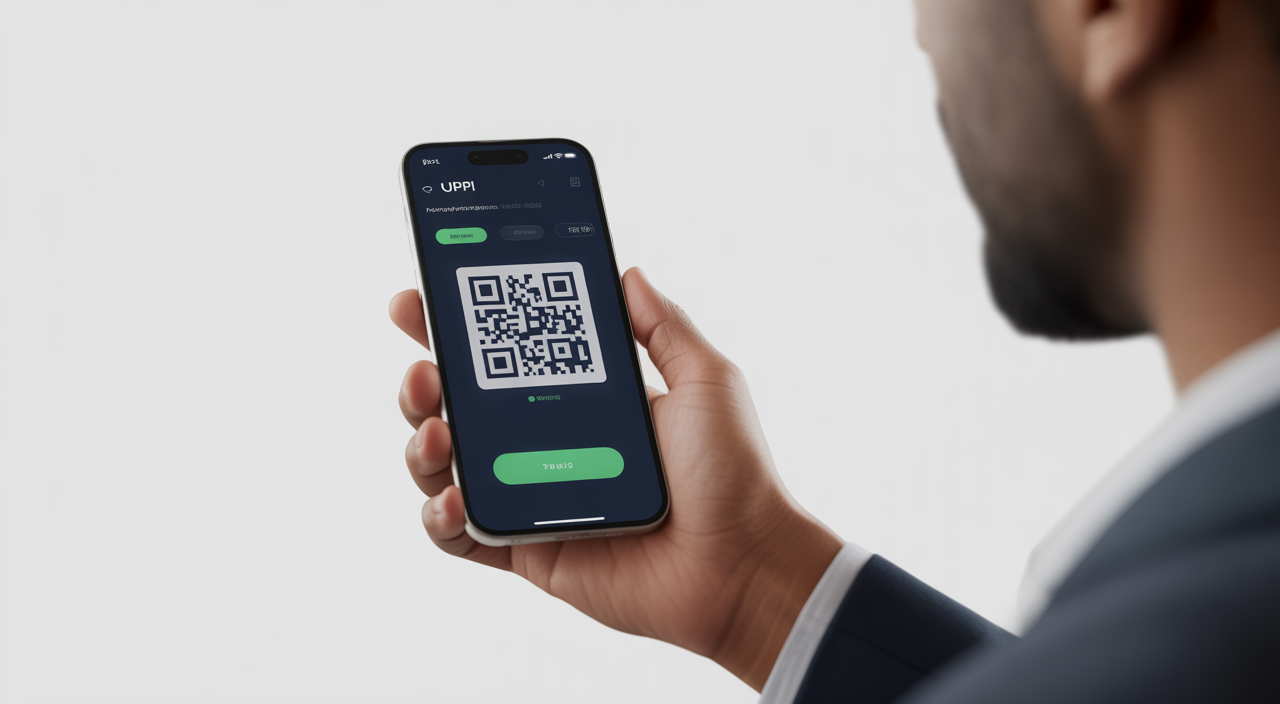
For young professionals, freelancers, and small business owners, this blend of instant payments and credit can be very useful. The key is to understand how it works, how to link it correctly, and how to use it wisely so it supports your financial goals instead of adding stress.
What Is a UPI Credit Card?
UPI stands for Unified Payments Interface. It is the system that lets you pay anyone using a simple virtual address, mobile number, or QR code, in a few seconds. Traditionally, UPI pulled money directly from your savings or current account.
A UPI-enabled credit card changes this. When you pay a merchant using UPI, the amount now gets charged to your credit card limit. You still see the transaction in your UPI app, but the money leaves your credit card on the due date, not your bank account on the same day.
So you get three things at once: the speed of UPI, the rewards of a credit card, and a grace period before you actually pay the bill.
Key Benefits for Indian Users
The biggest advantage is flexibility. Instead of money going out of your bank right away, your card provider gives you a credit period, usually up to 45–50 days depending on billing dates. If you pay the full bill on time, you often pay zero interest.
Second, most cards offer rewards such as points, miles, or cashback on every UPI purchase at eligible merchants. If you already pay for groceries, cabs, fuel, or online orders through UPI, shifting these spends to a UPI-linked card can multiply your benefits.
Third, you do not need to carry the physical card everywhere. You can tap into your credit limit just by scanning a QR code, which is extremely handy during travel or when you want to keep your wallet light. Frequent travelers already think this way when choosing tools like a compact travel kettle for longer trips; a UPI-linked card plays a similar “smart and light” role in your money life.
Eligibility and Basic Requirements
To get started, you first need an eligible credit card issued in India and allowed on UPI by your bank and the UPI network. Many issuers are gradually enabling this feature, often starting with cards on domestic networks.
You also need:
- A smartphone with an updated UPI app
- Full KYC completed with both your bank and the UPI app
- An active mobile number linked to your card and bank account
Once these are in place, you can link the card and start UPI-based card payments quickly.
Step-by-Step: How to Link Your Credit Card to UPI
The exact screens vary between apps, but the flow is broadly similar. Here is a simple step-by-step approach you can follow in any major UPI app:
- Open your UPI app and go to the “Payment methods” or “Bank accounts” section.
- Choose “Add credit card” or “Add new card on UPI.”
- Select your issuing bank and then your compatible credit card network if asked.
- Enter the last few digits of your card and expiry date, if required.
- Verify using an OTP received on your registered mobile number.
- Set a UPI PIN for the card. This is separate from your ATM PIN.
After this, your UPI app will show the card as a separate payment option alongside your bank accounts. When you scan a QR code at a merchant, just choose this card as the source for that payment.
How to Use a UPI Credit Card in Daily Life
Once linked, usage is straightforward. At any merchant that accepts UPI QR payments, you can simply:
- Scan the QR code using your UPI app.
- Enter the amount.
- Select your linked credit card as the payment method.
- Enter your UPI PIN and confirm.
The merchant receives the payment in their bank account just like a normal UPI transaction. For them, it feels like any other UPI sale. For you, it counts as a card transaction, with all the usual benefits and protections.
This setup can help you organise your spending more clearly. For example, you might use your bank account UPI for essentials and your UPI-linked card for big purchases, travel, or business expenses, which you can then track separately in your card statement.
Smart Use Cases for Indian Investors and Professionals
If you are an Indian investor or a high-earning professional, you may already analyse where every rupee goes. A UPI-linked card can fit into this mindset nicely, just as you might study whether overseas property investments match your risk appetite.
- Frequent traveler: Pay for hotels, fuel, and dining via UPI QR and earn elevated rewards while avoiding the need to swipe your card each time.
- Online shopper: When a website or app supports UPI, use the UPI-linked card option and track all big-ticket purchases in one consolidated monthly bill.
- Freelancer or small-business owner: Pay vendors via QR and separate business expenses from personal ones using your card statement and UPI history together.
The main idea is to shift spends you are already doing over UPI onto your card where it makes sense, without increasing your total monthly spending.
Charges, Limits, and Safety Tips
In general, merchant payments via UPI with credit cards are designed to stay low-cost for users. Still, it is wise to read your card’s terms for any special charges or transaction limits on UPI use.
For safety:
- Never share your UPI PIN, OTP, or full card details with anyone.
- Lock your card in the banking app if you lose your phone or suspect fraud.
- Turn on transaction alerts by SMS and email so you see every payment instantly.
- Regularly check your card statement and UPI history for anything unusual.
UPI itself uses strong encryption and two-factor authentication, which is why it has grown so fast in India. Combining it with a card does not remove these layers; you still confirm each payment with a secure PIN.
Common Mistakes to Avoid
The biggest risk is treating a UPI-linked card like “free money.” Remember, it is still credit. Spend only what you can repay in full by the due date. Rolling over large balances can attract interest, just like any other card.
Also, do not link the card on unknown or less-trusted apps. Stick to well-known UPI apps, keep them updated, and use screen lock and app lock on your phone for extra safety.
FAQs on UPI Credit Cards
Q1. Is a UPI Credit Card different from a normal credit card?
It uses the same credit limit and billing cycle as your normal card. The difference is how you spend. Instead of swiping or using card details online, you route payments through UPI, which can be more convenient and sometimes offers better rewards on QR-based merchant payments.
Q2. Can I still use my card normally after linking it to UPI?
Yes. Linking your card to UPI simply adds one more way to use it. You can still swipe it at shops, tap to pay, or use it on websites as before. All these transactions, including UPI ones, appear together in the same monthly statement.
Q3. What happens if a UPI payment using my card fails?
If the money is not debited from your card, the transaction is simply cancelled. If it shows as debited but the merchant does not receive it, most banks and UPI apps automatically reverse it within a few working days. You can raise a complaint in your UPI app if needed.
Q4. Is there a separate UPI credit limit?
Usually, no. Your UPI card payments come from your existing card limit. Some issuers may set sub-limits for UPI transactions for added safety, but they still draw from the overall limit approved on your card.