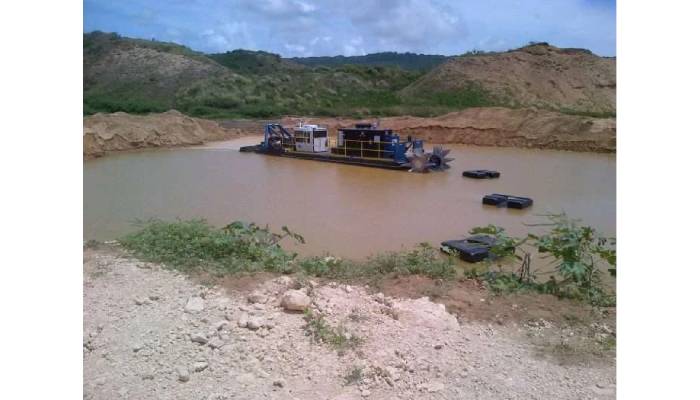
Across India, demand for construction sand keeps rising. Cities are growing fast, highways and ports are expanding, and large river projects are underway. To keep up, many developers and contractors are turning to one key machine: the sand dredge.
This powerful equipment removes sand from riverbeds, lakes, reservoirs, and coastal areas. Used wisely, it can unlock new revenue streams, lower raw-material costs, and support long-term infrastructure growth. For Indian investors and project owners, understanding how sand dredging works is a smart first step.
This guide explains what a sand dredge is, how it operates, key types, and the main factors to consider before investing. It focuses on practical points that matter in the Indian market, such as regulation, environmental care, and return on investment.
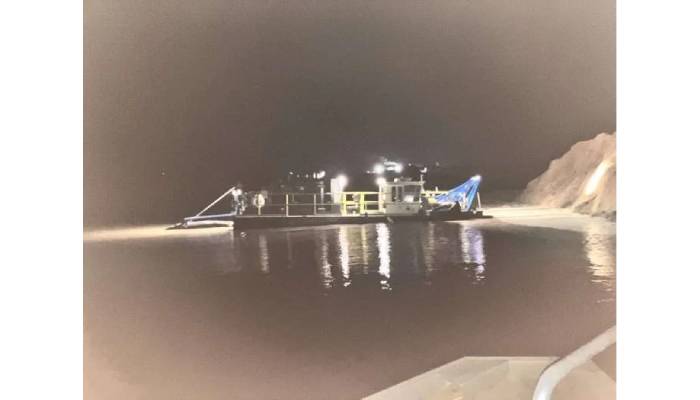
What Is a Sand Dredge?
A sand dredge is a machine that removes sand from underwater and moves it to the shore or a barge. It usually works on rivers, lakes, coastal zones, or mining pits filled with water. The goal is to recover clean sand that can be sold or used in construction, land reclamation, or industrial projects.
Most modern sand dredges use hydraulic power. They pump a mix of sand and water, called slurry, through a pipeline. The sand is then separated at the discharge point. This method is efficient, controlled, and suitable for both small and large projects.
Compared to manual excavation or truck-based mining, a sand dredge offers more precise extraction, higher daily output, and better control over safety and quality.
How Does a Sand Dredge Work in Simple Steps?
While designs vary, most hydraulic dredges follow a similar process. Understanding this helps investors judge capacity and cost.
- Positioning the dredge
The dredge is placed on the water, near the sand deposit. Anchors, spuds (vertical poles), or cables keep it steady while working.
- Cutting or loosening the sand
In many systems, a cutter head at the end of a ladder breaks up compact sand. Some simpler units rely on natural loose sand and do not need heavy cutters.
- Pumping the sand slurry
A powerful dredge pump sucks in the mix of sand and water and pushes it through a discharge pipeline. Pump size and power decide how many cubic meters per hour can be moved.
- Transport and discharge
The slurry travels through pipelines to a stockpile area, barge, or processing plant. There, the water drains or is recycled, and sand is stored for sale or use.
Each of these steps can be automated and monitored. Modern control systems help operators maintain stable production and protect the equipment.
Key Types of Sand Dredges You Should Know
Choosing the right sand dredge starts with knowing the main categories. Each type has its own strengths depending on depth, volume, and site conditions.
- Cutter suction dredge
This popular type uses a rotating cutter head to loosen hard sand and even compacted soil. It is ideal for riverbed excavation, marine sand recovery, and large-scale mining.
- Plain suction dredge
Here, a strong pump sucks loose sand directly, often from shallow rivers or sand pits. It can be simpler and more cost-effective where the material is already soft.
- Portable or modular dredge
Smaller units that can be moved by truck and assembled on-site. They are useful for smaller contracts, remote inland locations, or pilot projects.
- Hopper dredge
These are larger vessels that store sand inside their own hull. They often work offshore and then sail to a discharge area for beach nourishment or land reclamation.
For many Indian river and reservoir projects, a cutter suction or portable suction dredge offers a good balance of capacity, mobility, and capital cost.
Why Sand Dredging Is Attractive for Indian Investors
India’s construction and infrastructure pipeline is strong. This creates long-term demand for quality river sand and manufactured alternatives. When set up with proper clearances, sand dredging can be a stable, asset-backed business.
Some advantages include:
- Steady demand
Urban housing, expressways, ports, and industrial zones all need sand for concrete and fill. This supports long-term offtake contracts.
- Control over supply
Owning or financing a sand dredge gives more control over volume, quality, and timing, instead of relying on third-party suppliers.
- Scalability
Investors can start with one dredge and expand to a fleet as experience and contracts grow, similar to expanding a fleet of other construction assets.
For larger EPC or real estate groups, integrating sand mining can also reduce project costs and protect margins.
How to Choose the Right Sand Dredge for Your Project
Before investing, it helps to follow a simple checklist. This reduces risk and avoids buying a machine that is either too small or over-sized for your needs.
- Define your production target
Estimate how many cubic meters per day you need. Work backwards from your contract or internal demand. This figure drives pump size and power rating.
- Study site conditions
Key factors include water depth, distance to shore, type of sand, and seasonal water level changes. These details influence the choice between portable units and larger cutter suction systems.
- Check regulatory permissions
Ensure that mining leases, environmental approvals, and local permissions are possible at your location. A clear regulatory path is as important as technical capacity.
- Plan for fuel, staff, and maintenance
Look at operating cost per cubic meter, not just purchase price. Training and an organized dredge maintenance schedule help keep uptime high.
For complex, multi-phase civil projects, you can also study how integrated construction and design teams improve efficiency by reviewing insights on leveraging design–build services to increase efficiency.
Managing Environmental and Social Responsibility
Sand dredging can support development while still protecting rivers and communities. The key is to follow best practices and clear rules.
- Controlled extraction
Work within approved zones and depth limits to avoid bank erosion and damage to nearby structures like bridges.
- Sediment and water quality checks
Regular testing helps ensure safe water quality and prevents unwanted silt from affecting fish and local users.
- Community communication
Open dialogue with local stakeholders builds trust and long-term cooperation around dredging schedules and transport routes.
Investors who follow strong compliance can enjoy smoother operations and a stronger reputation in the regions where they work.
Practical Tips to Improve ROI from Sand Dredging
A well-chosen sand dredge is only the first step. Smart operations help unlock full value from the asset.
- Use data for planning
Track daily production, fuel use, and downtime. Small improvements in efficiency often add up to big annual gains.
- Bundle services
Offer customers a package that includes dredging, transport, and even basic processing. This can command better pricing per ton.
- Diversify projects
Between major mining contracts, the same dredge can support reservoir desilting, industrial intake cleaning, or small reclamation jobs.
If you are exploring other technical investments, a similar structured approach is useful for areas like wastewater and sludge removal projects, where equipment, regulation, and ROI also go hand in hand.
FAQs about Sand Dredging for Indian Investors
Q1. How much capital is usually needed to start a sand dredging project?
The investment can vary widely. A small portable unit for shallow inland work may need a modest budget, while a large cutter suction sand dredge with support equipment, pipelines, and workshops can require a much higher outlay. Besides the machine cost, plan for permits, land for stockpiles, fuel, labor, and working capital for at least six to twelve months.
Q2. What skills are required to operate and manage a sand dredge?
You will need trained operators who understand dredge controls, pumps, and basic mechanical systems. Supervisors should be comfortable with production planning, safety protocols, and basic environmental reporting. Many suppliers offer on-site training during commissioning, which is very helpful for new teams in India starting their first dredging operation.
Q3. Is sand dredging a long-term opportunity in India?
As long as infrastructure and urban housing keep expanding, demand for quality sand and fill material is expected to stay strong. With proper planning, legal compliance, and responsible extraction, sand dredging can form part of a long-term asset portfolio that supports both national growth and investor returns.