Model trains are a fascinating hobby enjoyed by people of all ages. One of the best ways to make a model railway layout look realistic and visually impressive is by adding lighting. Many hobbyists are now choosing battery powered LED model train lights because they are easy to install, safe, and require no complex wiring.
If you are new to model railways, using small battery LED lights can help you create realistic buildings, locomotives, street scenes, and passenger cars without dealing with complicated electrical systems.
This beginner’s guide will explain everything you need to know about battery powered LED lights for model trains, including how they work, why they are useful, and how to choose the right lighting for HO, N, and O scale layouts.
Understanding Battery Powered LED Lights for Model Trains
Battery powered LED lights are small lighting devices that run using compact batteries instead of being connected directly to a power supply. These lights are specially designed to fit into miniature environments like model train layouts.
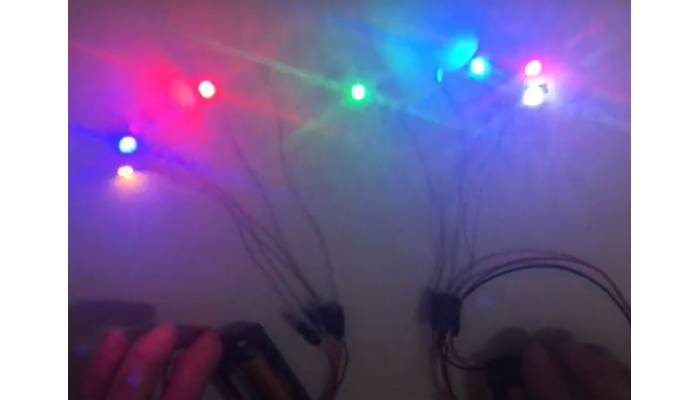
A battery powered LED model train lighting setup typically includes:
- A small LED light
- A battery pack or button battery
- A simple switch or remote control
Because LEDs use very little electricity, batteries can power them for long periods. This makes them ideal for model train layouts where running wires through buildings or scenery can be difficult.
These lights are commonly used in:
- Train stations
- Passenger coaches
- Freight yards
- Model buildings
- Street lamps
- Tunnel lighting
By using small battery LED lights, hobbyists can add realistic lighting effects without modifying the entire layout’s electrical system.
Why Model Train Hobbyists Prefer LED Lighting
LED lighting has become the most popular choice in the model railway hobby. Compared to older lighting technologies, LEDs provide many benefits.
Energy Efficiency
LEDs consume very little power. A small battery can power LED lights for many hours or even days, making them perfect for small model train layouts.
Long Lifespan
LED lights last significantly longer than traditional bulbs. Many LEDs can work for thousands of hours before needing replacement.
Low Heat Production
Older bulbs can generate heat that may damage plastic structures or model trains. LEDs remain cool, which makes them safer for miniature environments.
Compact Size
LED lights are extremely small. This allows hobbyists to place them inside buildings, train cars, or tiny street lamps.
Easy Installation
Using a battery powered LED model train lighting setup eliminates the need for complicated wiring or electrical knowledge.
Types of Battery Powered LED Lights Used in Model Railways
There are several types of LED lights that hobbyists use in model train layouts.
Interior Building Lights
These lights are used inside houses, stations, offices, and shops on the layout. They create a realistic nighttime scene.
Many hobbyists place small battery LED lights inside model buildings to simulate interior lighting.
Passenger Car Lighting
Passenger trains look much more realistic when the interior of each coach is illuminated. Battery powered LED strips or small LED modules can be placed inside train cars.
Street and Platform Lights
Street lamps and platform lighting make stations and town areas more realistic. Battery powered LEDs are commonly used for these miniature lamps.
Signal Lights
Railway signals can also use LED lights. Red, green, and yellow LEDs help simulate real train signal systems.
Decorative Landscape Lighting
LED lights can also be used for:
- Tunnel entrances
- Bridges
- Construction zones
- Industrial areas
A battery powered LED model train lighting system can bring the entire layout to life, especially during night scenes.
Choosing the Right LED Lights for Different Train Scales
Model train layouts come in different sizes known as scales. The three most popular scales are HO, N, and O scales. Each scale requires slightly different lighting sizes.
HO Scale Lighting
HO scale is the most common model train scale. It uses a ratio of 1:87.
For HO scale layouts, hobbyists usually use:
- Small LED bulbs
- Micro LED strips
- Button battery powered LEDs
These lights fit easily inside HO-scale buildings and train cars.
N Scale Lighting
N-scale trains are smaller, with a ratio of 1:160. Because of the smaller size, lighting must be extremely compact.
For N scale layouts, the best options are:
- Micro LEDs
- Ultra small battery packs
- Thin LED strips
Using small battery LED lights works very well for this scale because they take up minimal space.
O Scale Lighting
O-scale trains are larger, with a ratio of 1:48. This scale allows for slightly larger lighting components.
For O scale layouts, hobbyists often use:
- Standard LED bulbs
- LED modules
- Larger battery powered lighting kits
A battery powered LED model train setup works well for O scale buildings and train cars because there is more room to hide batteries.
How to Install Battery Powered LED Lights
Installing battery powered LED lights is usually simple and beginner-friendly. Most hobbyists can complete the process in just a few steps.
Step 1: Choose the Location
Decide where you want the lighting. Common areas include:
- Buildings
- Train coaches
- Street lamps
- Stations
Planning the lighting positions helps create a realistic layout.
Step 2: Prepare the Light
Many small battery LED lights come with a built-in battery holder and switch. Check the battery and make sure the LED works before installation.
Step 3: Secure the Light
Use adhesive tape, glue, or mounting clips to secure the LED in place. For buildings, the light is often placed on the roof interior.
Step 4: Hide the Battery
If the LED uses a small battery pack, hide it under the layout or inside the structure.
Step 5: Test the Lighting
Turn the switch on and make sure the lighting effect looks natural.
With a battery powered LED model train lighting setup, installation is quick and does not require soldering or electrical tools.
Tips for Creating Realistic Model Train Lighting
Good lighting can make a model railway look more realistic. Here are some useful tips for beginners.
Use Warm White LEDs
Warm white LEDs simulate the color of traditional indoor lighting. They work well for houses, stations, and offices.
Avoid Too Much Brightness
Real buildings do not glow brightly at night. Use dim or low-power LEDs to maintain realism.
Mix Different Light Colors
Some buildings may use warm lights, while others may use cool white or yellow lighting. Mixing colors creates a more natural scene.
Place Lights Strategically
Lighting every building can make the layout look unrealistic. Instead, light only certain areas.
Use Light Diffusers
Placing a thin piece of plastic or paper over the LED can soften the light and prevent harsh brightness.
These simple techniques can improve the overall look of a battery powered LED model train layout.
Advantages of Using Battery Powered Lighting
Many hobbyists prefer battery powered lighting systems because they offer several advantages.
No Wiring Required
Traditional layout lighting often requires running wires under the layout board. Battery powered LEDs remove this requirement.
Easy for Beginners
Beginners may find electrical wiring confusing. Using small battery LED lights simplifies the process.
Flexible Placement
Because they do not rely on wires, battery powered LEDs can be placed anywhere on the layout.
Portable Layouts
Some hobbyists build portable layouts for exhibitions. Battery powered lights make transportation easier because there are fewer electrical connections.
Maintenance and Battery Tips
Battery powered lighting systems require occasional maintenance to keep them working properly.
Replace Batteries When Needed
If the LED becomes dim, the battery may need replacement. Always use the recommended battery type.
Turn Lights Off When Not in Use
Turning off the lights when the layout is not in use will help batteries last longer.
Check Connections
Ensure the LED and battery contacts are clean and properly connected.
Store Extra Batteries
Keeping spare batteries ensures that your battery powered LED model train lighting continues working without interruptions.
Common Mistakes Beginners Should Avoid
New hobbyists sometimes make mistakes when installing lighting in their layouts. Avoid these common issues.
Using Lights That Are Too Large
Large LEDs may look unrealistic in small-scale layouts, especially in N scale.
Poor Light Placement
Lights placed too close to windows can create unnatural brightness.
Overloading the Scene with Lights
Too many lights can make the layout look unrealistic. Balanced lighting works best.
Ignoring Battery Access
Make sure the battery can be easily replaced without dismantling the entire structure.
Avoiding these mistakes will help create a better-looking model train layout.
Conclusion
Adding lighting is one of the easiest ways to improve a model railway layout. With the help of battery powered LED model train lighting systems, even beginners can create impressive nighttime scenes without complicated wiring.
Using small battery LED lights allows hobbyists to illuminate buildings, trains, and landscapes with minimal effort. These lights are energy-efficient, compact, and easy to install, making them ideal for HO, N, and O scale layouts.
Whether you are building your first layout or improving an existing one, battery powered LED lights can bring your miniature railway world to life. With careful placement, proper lighting choices, and simple installation techniques, your model train layout can become more realistic and visually stunning.