
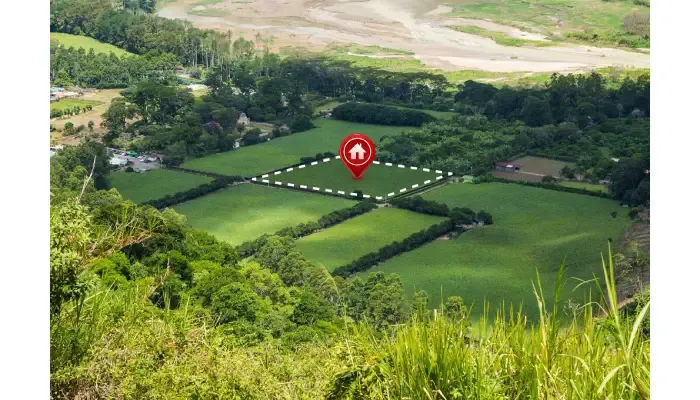
Buying land in Florida can be exciting, but figuring out how to finance it may feel daunting. Start by understanding the types of land loans available. Raw land loans, which are for undeveloped property, typically ask for higher down payments and good credit scores. Unimproved and improved land loans follow with slightly easier terms based on amenities available. When planning your purchase, get pre-approved to streamline your search, and gather necessary documentation like identification and financial details. Familiarize yourself with zoning laws that might affect financing options or development plans. Lastly, remember to budget for unexpected costs like permits or legal fees during the purchasing journey.
1. Types of Land Loans Available in Florida
When financing for buy land in Florida, understanding the different types of land loans available is crucial. Raw land loans are meant for buying undeveloped land with no improvements, requiring higher down payments of 20-50% and generally higher interest rates. Unimproved land loans are for parcels that have basic utilities, such as water and electricity. These loans are less risky than raw land loans but still demand substantial down payments and a solid financial background. Improved land loans cater to fully developed properties with utilities and road access, offering better interest rates and terms because they are seen as less risky.
If you're considering agricultural land for farming, agricultural land loans may be the way to go, often coming with different lending criteria and potential government assistance options. Recreational land loans are designed for land intended for recreational use, typically requiring less documentation and providing more flexible terms. For those looking to invest, investment land loans focus on purchasing land as an investment, with lenders often considering the land's potential for appreciation.
Construction-to-permanent loans combine the costs of land purchase and construction into one loan, simplifying the financing process. Owner financing is another option, allowing buyers to negotiate terms directly with sellers, which can be advantageous for those with less-than-perfect credit. Veterans may qualify for VA land loans, which often offer favorable terms and lower down payments. Lastly, USDA loans are available for rural land purchases, potentially offering 100% financing for eligible borrowers.

2. Steps in the Loan Application Process
To finance your land purchase in Florida, follow these steps in the loan application process. Start by getting pre-approved to understand your budget. This not only helps you know what you can afford but also strengthens your offer when you find the right piece of land. Next, gather the necessary documentation. This typically includes proof of income, tax returns, bank statements, and identification. Make sure you have these documents ready to streamline the process.
Choosing a lender is your next step. Research different lenders to find the best rates and terms. Consider both traditional banks and private lenders, as each may have different offerings that suit your needs. Once you’ve chosen a lender, submit your application along with the required documentation to initiate the process.
After submission, the lender will begin loan processing. They will review your application, check your credit history, and order an appraisal of the land to determine its value. The next phase is underwriting, where an underwriter assesses the risk of lending to you based on your financial information. They will either approve or deny your loan based on this evaluation.
If your loan is approved, you will attend a closing meeting. Here, you will sign the necessary documents to finalize your loan. After closing, take the time to review your loan documents and understand your payment schedule. It's also important to keep in contact with your lender for any questions that may arise or if you need assistance in the future. Lastly, prepare for funding by understanding when and how the funds will be disbursed for your land purchase.
- Pre-Approval: Start by getting pre-approved to understand your budget and strengthen your offer.
- Gather Documentation: Necessary documents include proof of income, tax returns, bank statements, and identification.
- Choose a Lender: Research lenders to find the best rates and terms; consider both traditional and private options.
- Submit Application: Fill out the loan application with required documentation to initiate the process.
- Loan Processing: Lender reviews your application, checks your credit, and orders an appraisal.
- Underwriting: The underwriter assesses the risk and approves or denies the loan based on your financial information.
- Closing: If approved, you will attend a closing meeting to sign documents and finalize the loan.
- Post-Closing: After closing, review your loan documents and payment schedule.
- Follow Up: Keep in contact with your lender for any questions or future needs.
- Prepare for Funding: Understand when and how the funds will be disbursed for your land purchase.
3. Understanding Down Payment Requirements
When financing your land purchase in Florida, it is essential to understand the down payment requirements. Generally, most land loans require a down payment of 20-30%, but this can vary based on the type of loan and the lender. For instance, improved land loans, which are less risky because they come with utilities and roads, may allow for lower down payments. However, raw land loans often demand higher down payments, sometimes reaching 50%. Your credit score plays a significant role here; lenders may offer lower down payment options to those with higher scores. It's also worth noting that some lenders might be open to negotiation, especially if you have strong financials. Additionally, if family members are willing to assist, some lenders accept gift funds as part of the down payment. Exploring government programs may also reveal options for down payment assistance. Understanding the loan-to-value (LTV) ratio is crucial as well; a lower LTV often means a higher down payment. As you budget for your land purchase, consider how the down payment affects your overall financial plan and any future financing needs for construction or development.
4. Interest Rates for Land Loans Explained
Interest rates for land loans can be higher than those for traditional mortgages, typically ranging from 6% to 15%. Several factors influence these rates, including the type of loan, the location of the property, and your creditworthiness as a borrower. Most land loans come with shorter terms, commonly between 10 to 20 years, while some private loans may last as little as 18 months.
When considering interest rates, it is crucial to understand the difference between fixed and variable rates. Fixed rates remain constant throughout the loan term, providing stability in your payments. On the other hand, variable rates can fluctuate, potentially increasing your overall payment over time. To secure the best possible rate, it's wise to shop around and compare offers from multiple lenders, as this can significantly impact your financial outcome.
Your credit score plays an essential role in determining your interest rate. A higher credit score can lead to lower rates, so it's a good idea to check your credit before applying. Additionally, some borrowers choose to pay discount points upfront, which can lower the interest rate over the life of the loan. If you find a favorable rate, consider locking it in to protect against future increases.
Once you own the land, you might want to explore refinancing options if the property value rises or your credit improves. Keeping an eye on market trends can also help you time your loan application effectively, ensuring you get the best deal possible.
5. Zoning Regulations and Land Purpose
Before financing your land purchase in Florida, it's vital to clarify how you intend to use the property. Whether it's for residential, commercial, or agricultural purposes, this decision significantly impacts your financing options. Each municipality in Florida has its own zoning regulations that dictate what activities are permissible on the land. Therefore, it is essential to research local zoning laws and check with local authorities to ensure your plans align with regulations. Knowing the permitted uses is crucial to avoid violations that could lead to fines or other legal issues.
If your intended use of the land differs from existing zoning regulations, you may need to apply for a zoning variance. This process can be complex and time-consuming, so it's wise to consult with professionals, such as a real estate agent or land use attorney, who can guide you through the intricacies of zoning.
Lenders often consider zoning when evaluating loan applications. Properties with zoning that allows for higher risk activities may face stricter lending requirements, while those with more conventional uses might secure better financing terms. Furthermore, understanding zoning can also provide insight into potential future developments in the area, which can impact property values and resale potential.
Be aware of any land use restrictions that may limit your plans or require special permits. Additionally, consider environmental regulations that could affect how you can utilize the land. Zoning laws can change, so it’s important to stay informed about any modifications that could impact your investment.
6. Various Lender Options for Land Loans
When looking for financing options for your land purchase in Florida, it’s essential to explore various lenders available in the market. Traditional banks are a common choice, providing a range of land loans with competitive rates. However, they often come with strict requirements that can be challenging for some buyers. On the other hand, credit unions can be a great alternative, offering personalized service and sometimes more flexible terms than banks, making them a good option for many buyers.
Online lenders have gained popularity as they provide quick access to funds and competitive rates. They can be especially useful for buyers who need financing quickly. If you are looking for greater flexibility, private lenders can be a viable option, although they may charge higher interest rates. These lenders often work well for those needing quick acquisitions without the lengthy approval process typical of traditional lenders.
Another option is seller financing, where you negotiate directly with the seller. This arrangement can lead to lower barriers to entry and greater flexibility in payment terms. Hard money lenders provide short-term loans based on the property's value, which can be beneficial for quick purchases, but these loans often come at a higher cost.
For eligible buyers, government programs such as USDA or VA loans can offer favorable terms, making them an attractive option for financing land. Additionally, real estate investment groups might provide financing options specifically for land purchases aimed at investment purposes. Mortgage brokers can also help by comparing multiple lenders’ offers, assisting you in finding the best deal that fits your needs. Lastly, peer-to-peer lending allows you to connect with individual investors, which can sometimes lead to favorable financing terms.
7. Transitioning from Land Loan to Construction Loan
When you're ready to build on your newly purchased land in Florida, it's essential to understand that transitioning from a land loan to a construction loan is a distinct process. These loans cater to different phases of your project, so planning for both is crucial. First, lenders typically require a comprehensive construction plan, which should detail your timelines and budgets. This plan is necessary to demonstrate that you have a clear path forward.
As construction progresses, construction loans often release funds in phases based on project milestones. This means you need a solid schedule that outlines when each phase will occur and when funds will be needed. Be aware that interest rates and terms for construction loans can differ from those of land loans, which may impact your budget.
When applying for a construction loan, be prepared to provide updated documentation. This includes contractor estimates and any necessary permits that show you are ready to proceed. Timing is also important; make sure to coordinate the closure of your land loan with your construction loan application to avoid delays.
Some lenders offer construction-to-permanent loans, simplifying the transition by rolling your construction loan into a permanent mortgage once construction is complete. Early discussions with lenders about your plans can clarify their specific requirements for transitioning to a construction loan.
Lastly, budget for potential cost overruns during construction. Having a financial cushion can help you manage unexpected expenses. Keep all documentation and communications organized, as this will streamline the transition process and keep your project on track.
8. Additional Costs of Financing Land
When financing your land purchase in Florida, it's important to consider various additional costs that can impact your overall budget. First, there are permits and fees, which can vary widely depending on your location and the intended use of the land. For example, if you're planning to build, you may need specific permits that can be costly. Next, land surveys are crucial for determining property boundaries, and these surveys come with their own expenses. Title insurance is another necessary cost that protects you from any legal claims on the property, and lenders often require it, adding to your upfront costs.
Insurance for the land should also be factored in, especially if you have plans for development. You will need to consider ongoing property taxes as well, which can be a significant annual expense. Additionally, if the land requires utility connections, the costs can add up, so it's wise to budget accordingly. If the land isn't ready for use, anticipate expenses related to land clearing and preparation. Furthermore, if you're planning to build, understanding development costs associated with zoning and permit approvals is crucial.
Finally, be prepared for various closing costs, which can include attorney fees, appraisal fees, and other transaction-related expenses. It's always a good idea to maintain a financial buffer for unexpected costs that may arise during the land purchase and development process. Keeping all these factors in mind will help ensure that your land purchase is a smooth and financially sound investment.
9. Legal Considerations in Land Purchase
When purchasing land in Florida, understanding the legal aspects is vital to ensure a smooth transaction. Start by verifying zoning compliance, as local zoning laws dictate how the land can be used. This can prevent future complications, especially if you have specific plans for development. Conducting a thorough title search is also crucial; it helps uncover any liens or disputes associated with the property that could affect your ownership.
Drafting a clear purchase agreement is another important step. This document should outline the terms of sale, including contingencies that protect your interests. Be mindful of Florida's disclosure requirements, where sellers must inform buyers of any known issues with the property.
Depending on your intended use of the land, you might need to conduct environmental assessments. This is especially true for properties that might impact local ecosystems. Consulting a real estate lawyer can be beneficial, as they can help navigate the complexities of land purchase laws and provide guidance tailored to your situation.
Additionally, it is essential to understand any easements or rights of way that may exist on the property, as these can affect how you use your land. Review local land-use restrictions to ensure that your plans align with regulations. Familiarizing yourself with the closing process will also help ensure that all legal aspects are correctly handled.
Finally, maintaining organized records of all legal documents related to your land purchase will be helpful for future reference, especially concerning the land's history and any potential legal issues.
10. Preparing Financially for a Land Purchase
Preparing financially for a land purchase in Florida is essential to ensure a smooth process. Start by aiming for a strong credit score, ideally above 670, which can enhance your chances of loan approval and secure better interest rates. Next, create a detailed budget that accounts for the purchase price, down payment, and any additional costs like permits or surveys. Keeping your debt-to-income ratio low, ideally below 36%, is also crucial as it can improve your loan qualifications.
Additionally, it's wise to set aside an emergency fund to cover unexpected expenses that may arise during the purchase. Organizing your financial documentation, such as income verification and tax returns, will make the lender's review process easier. Research various loan options, as understanding the differences between raw, unimproved, and improved land loans can help you choose the best fit for your situation.
Consider the long-term potential of the land, analyzing its possible appreciation or income-generating capabilities. This can align with your overall financial and investment goals. Having a clear exit strategy will also prepare you for any uncertainties, ensuring you know how to proceed if the land does not meet your expectations. Lastly, consulting financial advisors can provide tailored advice to align your plans with your financial capacity and objectives.