
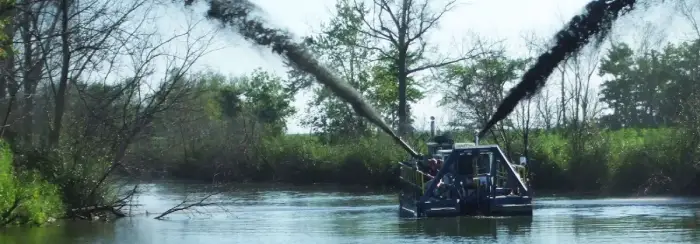
When operating a hydraulic dredge, safety is key. First, conducting a risk assessment helps spot potential hazards at the site. It’s also crucial to ensure that all team members receive proper training on equipment and safety protocols. Wearing personal protective equipment (PPE) like helmets and life jackets adds another layer of protection. Regular inspections of the dredge prevent faults from going unnoticed. Communication is vital; making sure everyone is connected can aid in responding swiftly to any emergency. Moreover, keeping an eye on environmental conditions promotes better decision-making during operations. Following safe work practices and maintaining cleanliness also reduce risks significantly, while adhering to regulatory guidelines keeps things above board for both workers and the environment.
1. Conduct a Risk Assessment at the Dredging Site
Before starting any hydraulic dredge, it’s crucial to conduct a thorough risk assessment at the site. This involves identifying potential hazards that could arise from the specific conditions of the dredging environment, the equipment being used, and any environmental factors. For instance, if the site is near a busy shipping lane, there may be risks associated with vessel traffic. Additionally, unstable soil or underwater obstructions can pose significant dangers. By assessing these risks, operators can develop strategies to mitigate them, ensuring a safer working environment. It’s also helpful to involve a safety officer or a team experienced in risk analysis to cover all bases and provide insights that might be overlooked.

2. Ensure Proper Training for Dredging Personnel
Proper training is the backbone of safe dredging operations. To ensure that every team member is equipped with the necessary skills, comprehensive training programs must be developed. This training should cover equipment operation, safety protocols, and emergency procedures. For instance, operators should not only learn how to run the hydraulic dredge but also understand the specific risks associated with their tasks.
In addition, conducting regular drills can help reinforce these skills. For example, simulating emergency scenarios allows personnel to practice their responses, making them more effective in real situations. This preparation builds confidence among workers, enabling them to react swiftly and appropriately when challenges arise.
3. Wear Appropriate Personal Protective Equipment
Wearing the right Personal Protective Equipment (PPE) is crucial for ensuring safety during hydraulic dredging operations. Workers should be equipped with mandatory items such as helmets to protect against falling objects, life jackets to prevent drowning, gloves to guard against cuts and abrasions, and eye protection to shield against debris and splashes. For instance, if a worker is operating machinery near the water’s edge, a life jacket becomes essential in case of an unexpected slip. Additionally, it’s important to conduct regular checks on PPE to ensure it remains in good condition. Effective communication about the importance of wearing PPE can help foster a safety culture on-site. When everyone understands the risks and the protective measures in place, the likelihood of accidents decreases significantly.
4. Inspect Equipment Regularly for Safety
Regular inspections of the hydraulic dredge and its equipment are crucial for safe operations. Each day before starting work, conduct a thorough check to identify any signs of wear, leaks, or damage. For instance, examine hoses, pumps, and electrical systems for any irregularities that could lead to malfunctions during operation. Keeping a detailed inspection log can help track the condition of the equipment over time. This proactive approach not only helps in preventing accidents but also extends the lifespan of the machinery. If any issues are found, addressing them immediately can save time and protect workers from potential hazards.
5. Establish Clear Communication Protocols
Clear communication is vital in any dredging operation. It ensures that all team members are on the same page and can respond swiftly to any situation. Using radios or hand signals can help maintain constant contact, especially in noisy environments where verbal communication might be challenging. For instance, if a worker spots a hazard or an emergency arises, quick and efficient communication can prevent accidents and injuries. Establishing a standard set of signals or codes for different situations can also enhance safety; for example, a specific hand signal might indicate that equipment needs to stop immediately. Regular communication drills can reinforce these protocols, keeping everyone prepared and aware.
6. Monitor Environmental Conditions During Operations
Monitoring environmental conditions is crucial for the safety and success of hydraulic dredging operations. Weather changes, such as strong winds or heavy rain, can create hazardous situations on the water. For instance, a sudden storm might cause high waves, making it difficult to operate the dredge safely. Additionally, tides and currents can significantly impact dredging activities; strong currents can shift sediment and pose risks to equipment stability and worker safety.
Before starting work, it’s important to check weather forecasts and tide schedules. If conditions are unfavorable, it may be wise to delay operations until it is safer. Keeping an eye on these factors allows teams to make informed decisions and take necessary precautions, such as adjusting the dredging schedule or implementing additional safety measures.
7. Implement Safe Work Practices on the Job
Implementing safe work practices is crucial for any hydraulic dredging operation. Start by developing clear guidelines that define safe distances from the dredging area. For instance, workers should maintain a safe distance from the edge of the water, especially when the dredge is in operation, to avoid accidents. It’s also essential to make sure that all equipment is operated within its specified limits to prevent mechanical failures.
Regularly review these practices with the team to reinforce their importance. For example, conducting safety drills can help familiarize everyone with the procedures and ensure they are prepared for any unexpected situations. Encourage an environment where team members feel comfortable reporting unsafe conditions or practices, fostering a safety-first mentality.
In addition, creating a checklist for daily operations can aid in maintaining safety standards. This checklist might include verifying that all personnel are wearing the required personal protective equipment (PPE), ensuring that the dredging site is free from obstructions, and confirming that equipment is functioning properly before use. By prioritizing safe work practices, you can significantly reduce the risk of accidents and promote a safer work environment.
8. Develop Emergency Response Plans for Incidents
Having a solid emergency response plan is crucial for any hydraulic dredging operation. Begin by identifying potential incidents, such as equipment failures, worker injuries, or environmental spills that could occur during operations. This proactive approach ensures that everyone knows what to do in an emergency. For instance, if a worker gets injured, there should be a clear protocol for first aid and contacting emergency services.
It’s also important to regularly review and practice these plans through drills. This not only reinforces the procedures but also highlights any areas for improvement. For example, conducting a mock drill for a spill scenario can prepare the team to act quickly and effectively if a real incident occurs.
Remember to include all personnel in these discussions, as their insights can provide valuable perspectives on potential risks and response strategies. Keeping everyone informed and prepared helps create a safer work environment.
9. Maintain Cleanliness of Equipment and Site
Keeping the hydraulic dredge and its surrounding area clean is crucial for safe operations. A tidy worksite reduces the risk of accidents caused by tripping or falling over debris. Regularly remove any unnecessary items, such as tools and materials, from the immediate work area. For instance, if hoses or cables are lying around, they can create hazards for workers moving about the site. Additionally, ensuring the dredge itself is free from mud and other contaminants can prevent mechanical issues that might arise from clogs or wear. It’s also beneficial to establish a routine for cleaning equipment after use, as this can extend the lifespan of machinery and improve overall efficiency. By prioritizing cleanliness, operators not only boost safety but also enhance the effectiveness of their dredging operations.
10. Follow Regulatory Guidelines for Dredging
Following regulatory guidelines for dredging is crucial to ensure both safety and environmental protection. Local, state, and federal laws dictate how dredging operations should be conducted to minimize negative impacts on ecosystems and waterways. For example, permits may be required before starting a project, and these may involve assessments of potential environmental damage. Operators must also stay informed about any changes in regulations that could affect their work. Compliance not only helps in avoiding legal consequences but also promotes responsible dredging practices. Regular training sessions can help ensure that all team members are aware of these guidelines. By prioritizing adherence to regulations, operators can foster a culture of safety and responsibility, ultimately leading to more successful and sustainable dredging operations.