

Line painting machines play an essential role in maintaining traffic safety, parking lot organization, sports field markings, and industrial floor guidance. Whether you’re a contractor looking to expand your services or a facility manager aiming to maintain your premises, choosing the right line painting machine is a significant investment. These machines offer efficiency, precision, and consistency—qualities that manual methods lack. However, buying line painting machines isn’t as straightforward as it may seem. Several crucial factors need consideration to ensure you make the right choice that suits your specific needs. This guide outlines five key things to know before purchasing line painting machines, helping you make an informed and cost-effective decision.
1. Understand the Different Types of Line Painting Machines
Before purchasing, it’s vital to understand the various types of line painting machines available in the market. These machines come in manual push models, self-propelled units, and truck-mounted systems. Each type has distinct benefits based on application.
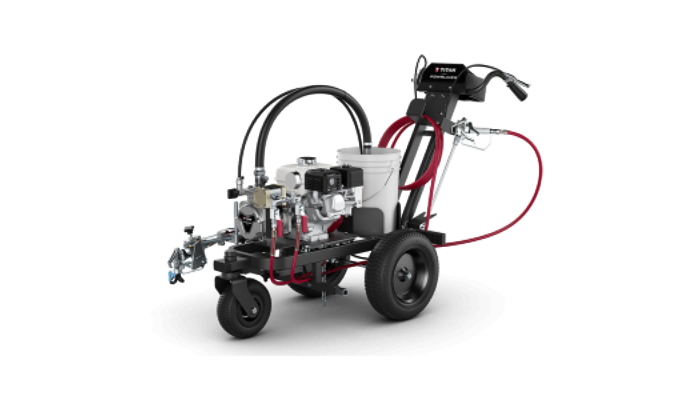
Manual push line painting machines are ideal for small to medium projects such as parking lots, playgrounds, or warehouses. They’re lightweight, easy to operate, and often more affordable. On the other hand, self-propelled line painting machines are better suited for larger projects, such as airports, highways, and large industrial areas. They provide more consistency and reduce operator fatigue. Truck-mounted line painting machines are typically used for extensive highway striping and municipal infrastructure, offering maximum efficiency and output.
2. Evaluate the Surface and Paint Compatibility
The next major consideration when investing in line painting machines is surface and paint compatibility. Different surfaces—like asphalt, concrete, grass, or synthetic turf—demand different handling capabilities. Not all line painting machines are optimized for every type of surface. Some machines have adjustable spray nozzles and pressure controls to accommodate these differences, while others are tailored for specific conditions.
Equally important is ensuring your line painting machine is compatible with various paint types. Water-based paints are eco-friendly and commonly used, but solvent-based paints offer higher durability, especially in high-traffic areas. Some machines are equipped with heated hoses and tanks to maintain the correct paint viscosity, which is crucial for quality line markings.
3. Assess Performance Features and Ease of Operation
Another critical area to explore is the performance features of line painting machines. Not all models offer the same capabilities. Some essential features to look for include adjustable line widths, paint flow control, number of spray guns, ease of cleaning, and precision in curve or corner marking.
Modern line painting machines come with GPS guidance, onboard computers, and digital controls for ultra-precise layout and efficiency. While these features may increase the upfront cost, they offer long-term advantages in terms of reduced labor, time savings, and professional-grade finish.
Ease of operation should also be considered. Are the controls intuitive? Can the machine be handled by a single person? Are training and support resources readily available for the model you’re considering? These aspects play a significant role in productivity and the quality of work you can deliver using line painting machines.
4. Consider Durability, Maintenance, and Replacement Parts
Investing in line painting machines is not just about what they can do right now—it’s also about how long they will continue to perform. The durability of the machine is a key concern. Machines constructed with high-quality materials like stainless steel and corrosion-resistant coatings tend to last longer, even under rough field conditions.
Maintenance requirements also vary between models. Some line painting machines are designed with easy-access parts and simple cleaning mechanisms, while others require more intensive upkeep. Choosing a machine that aligns with your capacity to maintain it can prevent costly downtime.
Availability of replacement parts is equally important. Even the best machines will need servicing, and readily available parts can reduce repair times significantly. Before buying, check if the machine’s components like nozzles, hoses, filters, and wheels are easily sourced and replaceable. A line painting machine with a solid maintenance and parts support structure ensures longevity and consistent performance.
5. Budgeting Beyond the Price Tag
Finally, when evaluating line painting machines, don’t just look at the sticker price. The total cost of ownership includes not only the purchase cost but also fuel or electricity consumption, maintenance, training, and operational expenses.
For example, a cheaper model might lack automated features and require more manpower, thereby increasing labor costs. Conversely, a high-end model might seem expensive upfront but could save significantly in the long run by improving efficiency, reducing paint waste, and minimizing operational delays.
Additionally, consider the frequency and scale of your projects. For contractors who work frequently on large-scale projects, investing in advanced line painting machines with high-output capabilities is justified. For occasional or small-scale needs, a mid-range or manual model might be more economical.