
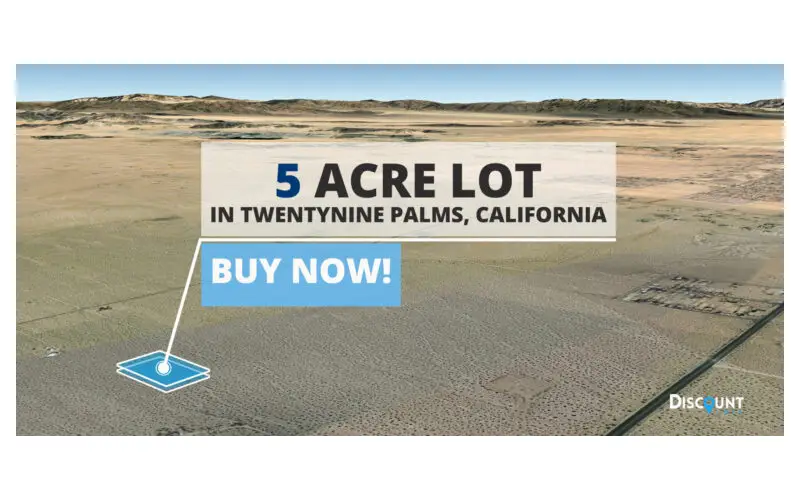
Owning a piece of remote land in California can be a dream come true for many investors, homesteaders, and outdoor enthusiasts. However, one of the biggest hurdles in purchasing California land for sale in remote areas is access. Many properties lack direct road connections, have rugged terrain, or face legal and environmental restrictions. Solving these access issues is crucial to fully utilizing the land for residential, recreational, or commercial purposes.
This guide will explore the common access challenges, legal considerations, potential solutions, and the importance of proper planning when buying remote land in California.
Common Access Challenges For Remote California Land
Before purchasing California land for sale in remote regions, it is essential to identify potential access challenges. These may include:
Lack of Legal Road Access – Some properties may not have deeded road access, making it difficult to enter or exit the land legally.
Unmaintained or Private Roads – Many remote areas rely on private roads that are not maintained by local governments, requiring additional costs for upkeep.
Rough Terrain – Hills, mountains, or dense vegetation can make it difficult to build roads or drive to the property.
Seasonal Accessibility – Some roads may become impassable during winter or rainy seasons, limiting access for months at a time.
Neighboring Property Restrictions – Some lands may be surrounded by private properties with no legal easements, creating access disputes.
Environmental Protections – Protected lands, wildlife zones, or state park boundaries may limit construction and road development.
Understanding these challenges beforehand helps in planning proper access solutions to avoid legal and logistical headaches in the future.
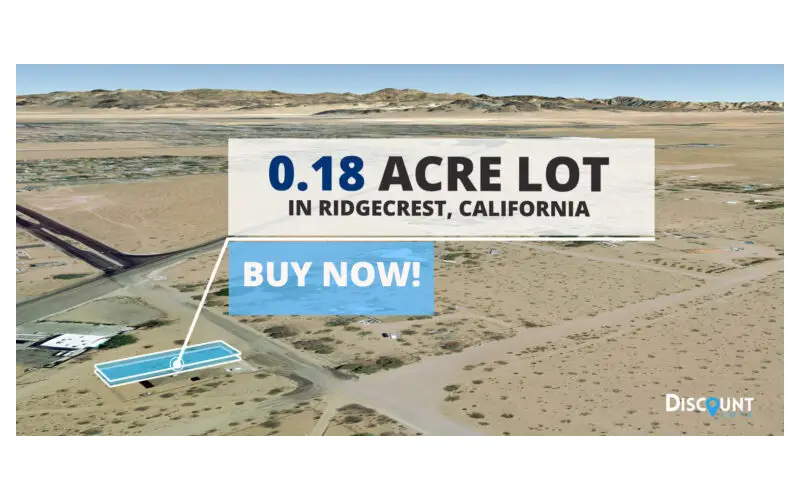
Legal Considerations For Land Access
When dealing with California land for sale, access rights are a critical aspect to verify. Prospective buyers should investigate the following legal factors:
Easements and Rights of Way
An easement grants permission to pass through another person’s property to reach your land. There are two main types:
- Deeded Easement: A legally documented right to cross a neighboring property, ensuring permanent access.
- Prescriptive Easement: Gained over time if a path has been used consistently without objection.
Securing a deeded easement before purchase is ideal to avoid access disputes.
County and State Regulations
- Many counties in California have specific requirements for land access, especially if you plan to build on the property.
- Checking zoning laws and road maintenance policies helps determine future accessibility.
Utility Access and Infrastructure
- Properties without utility access may require additional easements for power lines, water, or communication services.
- Permitting processes can vary depending on the county, so research is crucial.
Practical Solutions For Improving Land Access
If you are considering buying California land for sale in remote areas, there are several ways to solve access issues:
Establishing a Legal Easement
If no public road leads to the property, negotiating with neighboring landowners for a legal easement is a key step. Consulting a real estate attorney ensures proper documentation and long-term access security.
Constructing or Improving Roads
For properties with rugged terrain, road construction may be necessary. Options include:
- Gravel Roads: A cost-effective solution for minimal maintenance needs.
- Dirt Roads: Suitable for light use but may require frequent grading.
- Paved Roads: More expensive but ensures year-round accessibility.
Utilizing Off-Road Vehicles
For properties with limited road access, using off-road vehicles like ATVs, UTVs, or 4×4 trucks can provide practical transportation until a road is built.
Helicopter or Drone Access
For extremely remote locations, helicopters or drones may offer temporary access solutions, especially for surveying or transporting small supplies.
Collaborating with Neighbors
In areas where multiple property owners face similar challenges, forming a road maintenance association can help with costs and upkeep.
Land Development Planning
Before purchasing California land for sale, assessing potential access development costs ensures that they fit within your budget. Seeking assistance from professional land developers can provide insight into realistic access solutions.
Evaluating Land Before Purchase
To avoid access issues after purchasing remote California land, thorough due diligence is necessary. Key steps include:
Check Existing Access Routes – Use satellite maps and physical site visits to verify the presence of roads or trails.
Review Title Reports – Ensure legal access rights are included in the property’s deed.
Consult Local Authorities – Ask about road maintenance, development restrictions, and permit requirements.
Talk to Neighbors – Understanding nearby landowners’ attitudes toward easements can help prevent future conflicts.
Hire a Surveyor – A professional survey can confirm property boundaries and potential access points.
The Importance Of Access In Land Valuation
Access significantly impacts the value of California land for sale. Land with easy, legal, and well-maintained road access generally commands higher prices. Conversely, properties with limited or no access often sell for lower prices but may require significant investment in infrastructure.
Investors should weigh the cost of improving access against the potential return on investment when considering a remote land purchase.
Conclusion
Purchasing California land for sale in remote locations can offer incredible opportunities for investment, recreation, and off-grid living. However, ensuring proper access is one of the most critical factors for making the land usable and valuable. By addressing legal, logistical, and infrastructure challenges early, buyers can avoid common pitfalls and create long-term solutions for reaching their property efficiently. Careful research, professional consultation, and strategic planning are essential for solving access issues and unlocking the full potential of remote California land.