
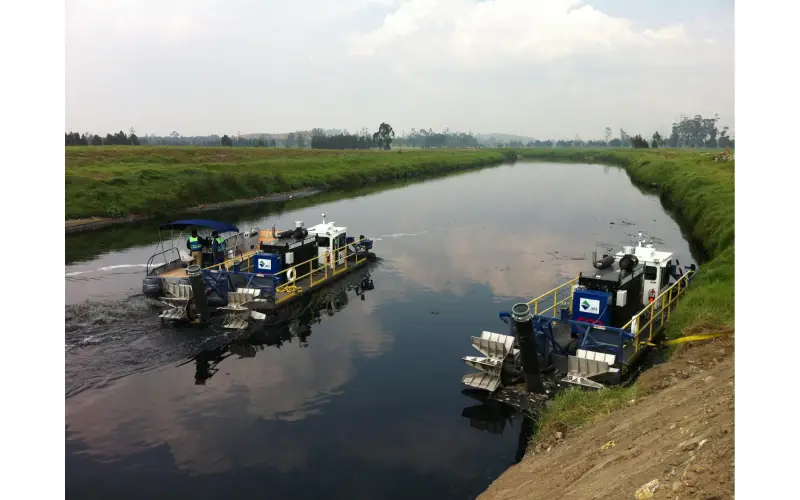
A lake dredge is an essential process for restoring water bodies by removing excess sediment, improving water quality, and maintaining ecological balance. However, once a dredging project is completed, it’s crucial to implement strategies that prevent future sediment buildup. Without proactive measures, sediment accumulation can return, reducing the effectiveness of the dredge and requiring costly maintenance. This article explores key strategies to prevent sediment buildup after a lake dredge, ensuring long-term water body health and functionality.
The Causes Of Sediment Buildup
Before implementing preventive measures, it’s important to understand the sources of sediment accumulation. Common contributors include:
- Erosion from Surrounding Land – Soil runoff from construction sites, agricultural fields, and deforested areas can lead to excessive sediment deposits.
- Stormwater Runoff – Heavy rainfall can wash soil, debris, and pollutants into the lake dredge , increasing sediment levels.
- Algae and Organic Matter Decomposition – Dead plant material, leaves, and other organic debris can settle at the lake bottom and contribute to sediment buildup.
- Stream and River Inflows – Tributaries that carry high sediment loads from upstream areas can lead to ongoing deposition.
- Boating and Recreational Activities – Frequent movement in shallow areas can stir up and redistribute sediment, impacting water clarity and quality.
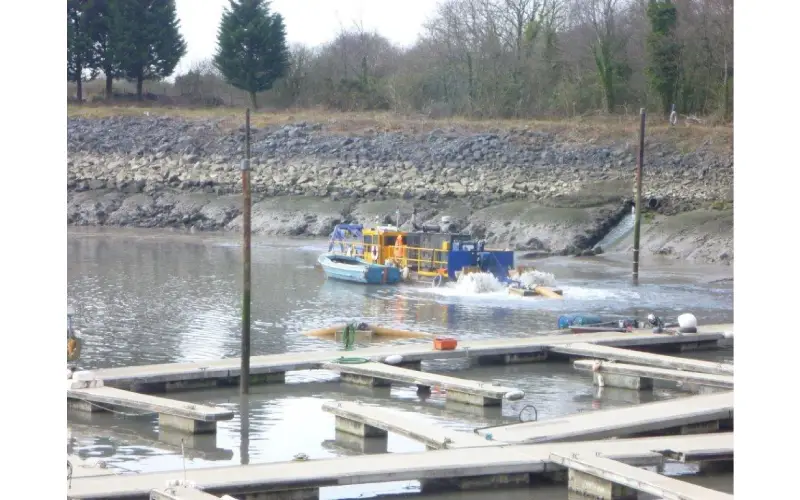
Sediment Control within The Lake
Even with external measures in place, it is essential to manage sediment within the lake to maintain water clarity and depth.
Sediment Traps and Silt Curtains
Installing sediment traps at lake inlets captures incoming sediments before they spread. Silt curtains are another effective tool, especially during maintenance activities, as they:
- Contain suspended sediments
- Prevent sediment resettlement
- Improve water quality during construction or dredging efforts
Aeration Systems and Dredging Maintenance
Aeration systems help circulate water and prevent sediment accumulation by:
- Enhancing oxygen levels to promote organic matter breakdown
- Preventing stratification, which can lead to sediment resuspension
Periodic maintenance dredging ensures that any minor sediment accumulation is removed before it becomes a significant issue.
Effective Strategies To Prevent Sediment Buildup
To sustain the benefits of a lake dredge, implementing a combination of best management practices (BMPs) is necessary. Below are key strategies:
Shoreline Stabilization and Vegetation Management
Stabilizing the shoreline with native vegetation helps reduce erosion and filter out sediment before it enters the lake.
- Planting native grasses and shrubs along the shoreline helps bind the soil, preventing erosion.
- Installing buffer strips with deep-rooted vegetation slows runoff and captures sediment before reaching the lake.
- Using bioengineering techniques such as coir logs or rock armoring (riprap) to prevent wave-induced erosion.
Erosion Control in Watershed Areas
Since sediment often originates from the lake’s watershed, controlling erosion upstream can significantly reduce buildup.
- Implementing cover crops in agricultural fields to reduce soil displacement.
- Constructing terraces and contour plowing to slow water flow and minimize erosion.
- Encouraging no-till farming practices to maintain soil structure and prevent sediment runoff.
Stormwater Management Practices
Stormwater runoff is a major source of sediment transport into lakes. Implementing effective stormwater management can help.
- Constructing retention ponds to capture sediment and pollutants before they enter the lake.
- Installing silt fences and sediment traps in high-risk areas to intercept runoff.
- Using permeable pavements and rain gardens in urban areas to reduce surface runoff and promote groundwater absorption.
Regular Sediment Monitoring and Maintenance
Routine monitoring helps detect early signs of sediment buildup and allows timely intervention.
- Conducting periodic depth surveys using sonar or sediment probes to track accumulation trends.
- Implementing targeted dredging in small, affected areas rather than full-scale dredging to reduce costs and environmental impact.
- Monitoring water inflows and sediment sources to identify problem areas and address them proactively.
Managing Aquatic Plants and Algae
Excessive aquatic vegetation and algal blooms can contribute to organic sediment accumulation. Proper management is key.
- Introducing aeration systems to prevent stagnant water conditions that promote algae growth.
- Using biological controls, such as introducing herbivorous fish like grass carp to keep aquatic plant growth in check.
- Applying eco-friendly algaecides or bacteria treatments to break down organic matter and reduce sediment formation.
Implementing Sustainable Land Use Practices
Land use planning plays a crucial role in reducing sedimentation.
- Enforcing land-use zoning regulations to prevent excessive development near water bodies.
- Implementing conservation easements to protect natural buffer zones around the lake.
- Encouraging wetland restoration projects, as wetlands act as natural sediment filters.
Educating and Engaging the Community
Public awareness and participation are essential for the long-term success of sediment control efforts.
- Hosting community workshops and seminars on best practices for sediment reduction.
- Encouraging responsible boating and recreation to minimize sediment disturbance.
- Involving local organizations and volunteers in shoreline maintenance and erosion control projects.
Long-Term Benefits Of Preventing Sediment Buildup
By adopting these preventive strategies, the long-term health and sustainability of the lake are ensured. Some key benefits include:
- Improved Water Quality – Reduced sediment levels lead to clearer water and better aquatic life conditions.
- Enhanced Recreational Opportunities – Preventing sediment buildup helps maintain navigability and aesthetics for activities like fishing and boating.
- Lower Maintenance Costs – Proactive sediment management reduces the frequency and expense of future dredging projects.
- Stronger Ecosystem Balance – A well-maintained lake supports diverse aquatic life and promotes biodiversity.
Conclusion
A lake dredge is a valuable investment, but its benefits can be short-lived without effective sediment management strategies. Implementing shoreline stabilization, erosion control, stormwater management, and community engagement can significantly reduce future sediment buildup. By taking proactive measures, stakeholders can preserve the lake’s health, enhance its usability, and ensure long-term sustainability for generations to come.