
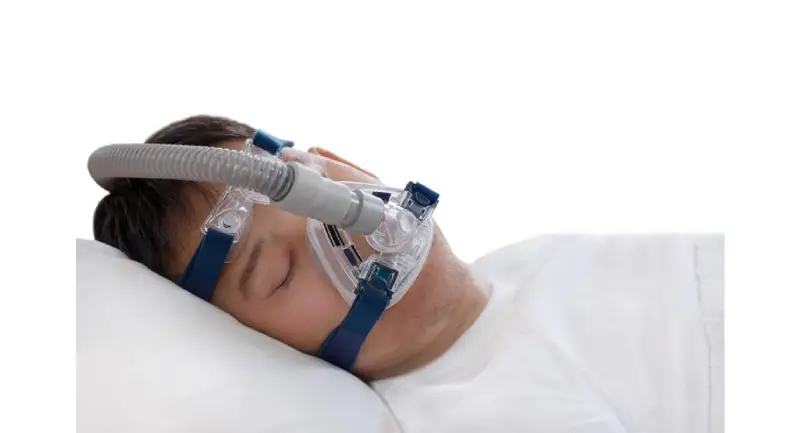
When diagnosing sleep apnea, the two primary options are in-lab sleep studies and at-home tests. In-lab studies, often referred to as polysomnography, are conducted in a medical facility under the supervision of healthcare professionals. They involve comprehensive monitoring of various bodily functions, such as brain activity, heart rate, oxygen levels, and eye movement. In contrast, a sleep apnea test at home typically involves the use of portable equipment that measures oxygen levels and airflow during sleep. While in-lab tests are more thorough and can detect a wider range of sleep disorders, a home test offers a more convenient and less expensive option for many patients, though it may not capture as much data as the in-lab tests.
Essential Equipment For A Sleep Apnea Test At Home
A sleep apnea test at home typically involves the use of a few key pieces of equipment to monitor your sleep patterns. The most common device is a portable monitor that records your blood oxygen levels, airflow, and respiratory effort. This monitor typically includes sensors that attach to your finger or earlobe to measure oxygen levels, a nasal cannula to detect airflow, and a belt or strap to measure chest and abdominal movements. These devices are compact, easy to use, and typically come with instructions for proper setup. Some tests may also include a pulse oximeter, which specifically measures oxygen saturation throughout the night, giving essential insight into your breathing patterns.
How To Get Reliable Results From A Sleep Apnea Test At Home?
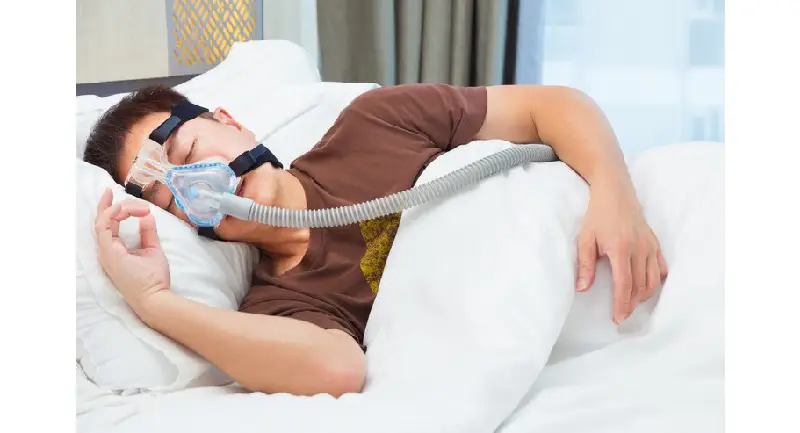
To ensure that you get accurate and reliable results from your sleep apnea test at home, it’s essential to follow the instructions provided with the equipment carefully. Make sure to set up the sensors correctly, as improper placement can lead to incorrect readings. It’s crucial to sleep in your natural sleeping position, as altering your position can affect the results. Be mindful of any potential disruptions, such as moving around too much or waking up prematurely, as this can interfere with data collection. Some tests also require that you keep a sleep diary to help correlate your symptoms with the data recorded. If possible, have a partner or family member help with setup and monitoring during the test.
Sleep Apnea Test At Home: Frequently Asked Questions
For those considering a sleep apnea test at home, several frequently asked questions can help clarify the process. One common question is whether the home test is as accurate as an in-lab test. While home tests may not provide as much detailed information as in-lab studies, they are still considered reliable for diagnosing obstructive sleep apnea in many cases. Another question often asked is how long the test lasts; typically, a home sleep apnea test involves one or two nights of monitoring. It’s also important to inquire about insurance coverage, as many health plans now cover the cost of home sleep studies, though it’s important to check specific policy details.
Pros And Cons Of A Sleep Apnea Test At Home
A sleep apnea test at home offers several benefits, such as convenience, affordability, and comfort. Patients can take the test in the familiar environment of their own home, avoiding the discomfort of sleeping in a clinical setting. These tests are also less expensive than in-lab studies, making them a more accessible option for many people. However, there are some drawbacks to consider. Home tests are typically limited to detecting obstructive sleep apnea and may not detect other sleep disorders or more complex forms of sleep apnea. Additionally, if the equipment is not used correctly, it can lead to inaccurate results, requiring follow-up testing.
Maximizing Comfort During Your Sleep Apnea Test At Home
Maximizing comfort during your sleep apnea test at home is crucial for obtaining accurate and reliable results. One of the best ways to do this is by setting up the equipment in a way that feels natural for you. Place sensors comfortably on your body, ensuring that nothing feels too tight or restrictive, as this can disrupt your sleep. Try to sleep in your usual position, as changes in position can affect the results. It might help to wear loose, comfortable clothing to avoid irritation from the sensors or straps. Also, ensuring a calm and quiet environment for the night will minimize disruptions and help you sleep soundly throughout the test.
Conclusion
In conclusion, a sleep apnea test at home offers a practical and efficient alternative to in-lab sleep studies, providing an accessible option for individuals who suspect they may have sleep apnea. While in-lab studies remain the gold standard for diagnosing a wide range of sleep disorders, home tests are a valuable tool for diagnosing obstructive sleep apnea, especially for those seeking convenience, comfort, and cost-effectiveness. To ensure reliable results, it’s essential to use the equipment correctly, follow all instructions, and maintain a natural sleep position. Ultimately, sleep apnea tests at home offer a convenient solution that can lead to timely treatment and a better quality of life for those affected by this common disorder.