
If you snore loudly or often wake up feeling tired despite a full night’s sleep, you might be dealing with more than just a noisy night. Snoring can sometimes signal a common yet serious sleep disorder called sleep apnea. The good news? You no longer need to spend a night in a hospital or clinic to find out. With a home sleep apnea test, you can easily evaluate your sleep quality and identify potential breathing problems—all from the comfort of your own bed.
In this article, we’ll help you understand what sleep apnea is, why snoring shouldn’t be ignored, and how a home sleep apnea test works to detect this condition early.
Understanding Sleep Apnea and Its Connection to Snoring
Snoring happens when air struggles to pass freely through your airway during sleep, causing the surrounding tissues to vibrate. While occasional snoring may not be harmful, chronic or loud snoring could indicate obstructive sleep apnea (OSA)—the most common form of the disorder.
What Is Sleep Apnea?
Sleep apnea is a condition where your breathing repeatedly stops and starts while you sleep. These pauses can last for several seconds and occur multiple times per hour, disrupting your rest and lowering oxygen levels in your blood.
There are two main types of sleep apnea:
- Obstructive Sleep Apnea (OSA): Caused by blockage in the airway, usually when the soft tissue in the back of the throat collapses.
- Central Sleep Apnea (CSA): Occurs when the brain fails to send proper signals to the muscles that control breathing.
Most people with sleep apnea suffer from the obstructive type, which is closely linked to snoring, obesity, and lifestyle factors.
Signs You Might Have Sleep Apnea
Sleep apnea often goes undiagnosed because its symptoms appear while you’re asleep. However, there are several red flags that can indicate a potential problem:
- Loud, chronic snoring
- Pauses in breathing witnessed by a partner
- Gasping or choking during sleep
- Excessive daytime sleepiness or fatigue
- Morning headaches
- Difficulty concentrating
- Irritability or mood changes
- Waking up with a dry mouth or sore throat
If these symptoms sound familiar, it’s time to consider getting tested—and that’s where a home sleep apnea test comes in handy.
What Is a Home Sleep Apnea Test?
A home sleep apnea test (HSAT) is a simplified version of a sleep study that can be done in your own home. It measures key indicators that help detect sleep apnea, including your breathing patterns, oxygen levels, heart rate, and snoring intensity.
Unlike traditional overnight tests conducted in sleep clinics (called polysomnography), a home sleep apnea test focuses on the essential parameters needed to diagnose moderate to severe cases of OSA.
It’s a convenient and cost-effective option for people who suspect they have sleep apnea but want to avoid the discomfort and expense of a clinical study.
How a Home Sleep Apnea Test Works
Getting a home sleep apnea test is straightforward and stress-free. Here’s how it typically works:
1. Consultation
You’ll first consult a healthcare provider, either in-person or online. They’ll review your symptoms and medical history to determine if you’re a good candidate for a home sleep test.
2. Receiving the Test Kit
You’ll receive a small, easy-to-use test kit—either shipped to your home or picked up from a provider. Most kits come with simple instructions and video guidance for setup.
3. Setting Up the Device
Before bedtime, you’ll attach small sensors and belts that measure your breathing, airflow, oxygen saturation, and sometimes snoring. Common components include:
- A nasal cannula to monitor airflow
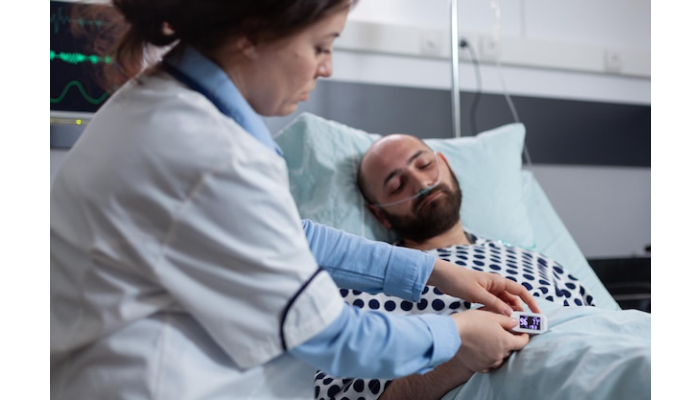
- A pulse oximeter on your finger to track oxygen levels
- A chest belt to measure breathing effort
4. Sleeping Naturally
You simply go to sleep as you normally would. The device records data throughout the night while you rest in your familiar environment.
5. Returning the Device and Getting Results
After the test, you return or upload the data to the provider. A sleep specialist analyzes the results and provides a detailed report—usually within a few days.
The report will indicate whether you have sleep apnea, how severe it is, and what type of treatment may be needed.
Benefits of a Home Sleep Apnea Test
A home sleep apnea test offers several advantages that make it appealing to both patients and healthcare professionals:
1. Comfort and Convenience
No hospital stay or wired-up night in a clinic. You sleep in your own bed, maintaining your usual routine.
2. Cost-Effective
Home tests are typically more affordable than lab-based studies, which can be quite expensive.
3. Accessibility
You can take the test regardless of where you live—ideal for those in remote areas with limited access to sleep centers.
4. Quick Results
You can get results faster than traditional tests, helping you start treatment sooner.
5. Accurate for Moderate to Severe OSA
For individuals suspected of having moderate to severe obstructive sleep apnea, home tests provide reliable and clinically valid results.
When Should You Choose a Home Sleep Apnea Test?
A home sleep apnea test is best suited for:
- Adults showing clear symptoms of obstructive sleep apnea
- People who snore loudly and experience fatigue during the day
- Individuals who have high risk factors such as obesity, smoking, or high blood pressure
- Those who prefer a quick and comfortable testing method
However, a home test may not be recommended if you have other medical conditions like heart disease, chronic lung issues, or central sleep apnea. In such cases, a full in-lab sleep study may be necessary for accurate diagnosis.
The Importance of Early Diagnosis
Ignoring chronic snoring or delaying a sleep apnea test can have serious health consequences. Untreated sleep apnea increases the risk of:
- High blood pressure
- Heart disease and stroke
- Type 2 diabetes
- Weight gain and metabolic disorders
- Memory issues and depression
- Accidents due to daytime sleepiness
By getting a home sleep apnea test early, you can identify the problem before it worsens and take timely action to protect your health.
What Happens After the Test?
If your results confirm sleep apnea, your doctor will discuss treatment options based on the severity of your condition. Common treatments include:
- CPAP Therapy (Continuous Positive Airway Pressure): A machine that keeps your airway open by delivering constant air pressure.
- Oral Appliances: Custom mouthpieces that reposition the jaw to prevent airway blockage.
- Lifestyle Changes: Weight management, quitting smoking, and improving sleep hygiene.
- Surgery (in severe cases): To remove tissue or correct structural problems in the airway.
Many people who start treatment notice a dramatic improvement in their sleep quality, energy levels, and overall health.
Take the First Step Toward Better Sleep
If you or someone you love snores frequently or experiences restless nights, it’s time to take action. A home sleep apnea test is a simple, accurate, and non-invasive way to understand what’s happening while you sleep.
Don’t ignore the signs—snoring might be your body’s way of asking for help. The earlier you detect sleep apnea, the sooner you can get the right treatment and enjoy restful, uninterrupted sleep again.
Conclusion
Your sleep plays a vital role in your physical and mental health. With modern technology, diagnosing sleep apnea no longer requires an overnight hospital stay. A home sleep apnea test empowers you to take control of your sleep health—comfortably, privately, and affordably.
So, if snoring is keeping you (and your loved ones) up at night, consider scheduling your home sleep apnea test today. A peaceful night’s sleep—and a healthier life might just be one test away.
Resource URL:
https://canadiancpapequipment.ca/pages/get-your-at-home-sleep-apnea-test