
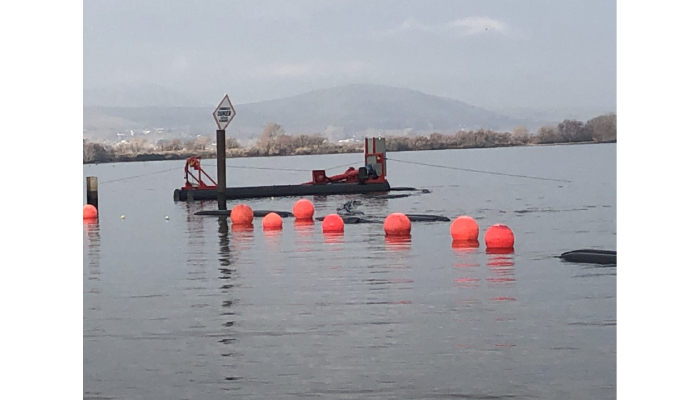
In the evolving world of dredging technology, the automated dredge is emerging as a game-changer. As industries such as marine construction, port maintenance, and environmental remediation demand faster, more precise, and eco-friendly solutions, automated dredging systems are delivering exceptional results. This cutting-edge technology blends automation, real-time monitoring, and precision control to enhance operational efficiency while reducing environmental harm. In this article, we’ll explore how an automated dredge works, its advantages over traditional dredging, and why it is the future of sustainable waterway management.
What is an Automated Dredge?
An automated dredge is a type of dredging equipment that uses advanced sensors, software, and control systems to operate with minimal human intervention. Unlike traditional dredges, which rely heavily on manual operation, these modern systems can monitor environmental conditions, adjust dredging parameters in real-time, and execute highly precise excavation and sediment removal. By integrating GPS positioning, sonar imaging, and real-time data feedback, automated dredge technology ensures that dredging is conducted with greater accuracy and reduced waste.
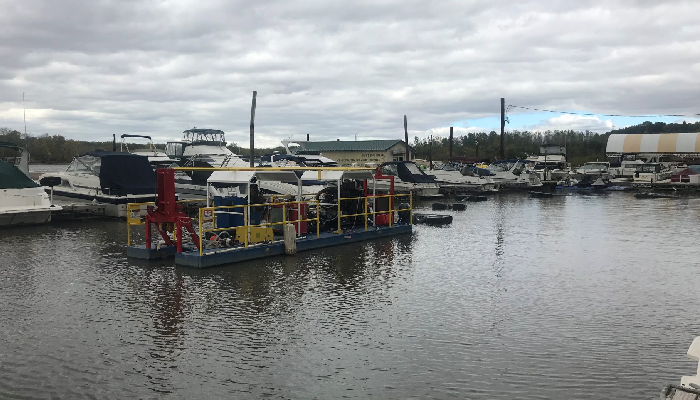
Faster Project Completion with Automated Dredging
One of the standout benefits of using an automated dredge is its ability to significantly accelerate project timelines. Traditional dredging often requires manual surveying, on-the-fly adjustments, and labor-intensive oversight, all of which introduce delays. An automated dredge, however, relies on pre-programmed routes, continuous data analysis, and automatic adjustments to maintain optimal dredging speeds.
With automated systems, the dredge can work around the clock, requiring fewer stoppages for recalibration or error correction. Additionally, automated positioning and depth monitoring allow operators to maintain perfect alignment with project specifications, reducing the need for time-consuming rework. The result is a faster, more streamlined dredging process that reduces overall project duration.
Enhanced Precision Reduces Overdredging and Waste
Precision is one of the greatest challenges in traditional dredging. Manual dredging operations frequently overshoot target depths, removing excess material and disrupting sensitive underwater ecosystems. Automated dredge systems, on the other hand, utilize advanced positioning and sonar technologies to track exact dredging depths and boundaries in real time. This precision minimizes unnecessary material removal, ensuring that only the targeted sediment is removed.
By avoiding overdredging, projects also save on sediment handling, transport, and disposal costs. Furthermore, reduced dredging volumes mean lower fuel consumption and decreased wear on equipment — all contributing to faster results and reduced environmental impact.
Lower Environmental Impact with Real-Time Monitoring
Environmental impact is a critical concern in any dredging project, particularly in sensitive marine environments. Traditional dredging methods often stir up large amounts of sediment, releasing pollutants trapped in the seabed and increasing water turbidity. Automated dredge systems mitigate these risks through real-time environmental monitoring.
Modern automated dredges are equipped with sensors that track turbidity, sediment plume behavior, and water quality during dredging operations. If the system detects elevated turbidity levels, it can automatically adjust dredging speed or modify its dredging technique to reduce disturbance. This ability to respond immediately to environmental changes helps ensure compliance with environmental regulations while protecting aquatic ecosystems.
Remote Control and Reduced On-Site Staffing Needs
The automation and remote operation capabilities of an automated dredge contribute to both safety and efficiency. Operators can oversee the dredging process from a remote control room, accessing real-time data feeds and adjusting operations as needed without being physically present on the dredge. This reduces the need for on-site personnel, lowering labor costs and minimizing human exposure to potentially hazardous conditions.
Remote operation also facilitates faster response to unexpected challenges, such as changing weather conditions or equipment malfunctions, since operators can adapt dredge settings instantly based on incoming data. This level of flexibility is not possible with conventional dredging methods, making automated dredge technology far superior in terms of adaptability and operational continuity.
Data-Driven Decision Making for Continuous Improvement
Another transformative aspect of automated dredge technology is its data collection and analysis capabilities. Every aspect of the dredging operation — from sediment composition to equipment performance — is continuously recorded and analyzed. This data allows project managers to make informed, evidence-based decisions throughout the project lifecycle.
By analyzing performance trends, project managers can identify process inefficiencies and implement immediate corrective actions. Post-project analysis further enables companies to refine future dredging strategies, leading to continuous improvement in both speed and environmental performance.
Energy Efficiency and Carbon Footprint Reduction
Energy consumption is a significant factor in the environmental footprint of any dredging project. Traditional dredges often operate at suboptimal efficiency due to manual errors, inconsistent speeds, and unnecessary rework. Automated dredge systems, however, are designed to optimize fuel consumption by maintaining consistent, efficient operations.
For example, automated systems can calculate the most energy-efficient route across a dredging area, avoiding unnecessary travel and idling. By reducing fuel use, automated dredge operations not only lower greenhouse gas emissions but also reduce operational costs. As the dredging industry moves toward carbon reduction goals, adopting automated technology becomes a clear and necessary step forward.
Improved Compliance with Environmental Regulations
With global regulations tightening around dredging projects — especially in protected or ecologically sensitive areas — compliance has become a top priority. An automated dredge helps ensure regulatory compliance by maintaining a continuous environmental record, which can be provided to regulators as proof of environmentally responsible practices.
Automated systems also make it easier to follow environmentally-friendly dredging techniques, such as precision dredging, reduced sediment disturbance, and the use of environmentally sensitive equipment configurations. This built-in compliance support not only reduces the risk of regulatory penalties but also enhances the company’s reputation as an environmentally responsible contractor.
Applications Across Diverse Projects
The versatility of the automated dredge makes it suitable for a wide range of projects, from large-scale port expansions to small, environmentally sensitive waterway restorations. Key applications include:
- Port and harbor deepening: Achieve required depths faster while minimizing disruption to aquatic habitats.
- Environmental remediation: Safely remove contaminated sediments with minimal dispersion.
- Channel maintenance: Maintain navigational channels efficiently and sustainably.
- Renewable energy projects: Prepare offshore wind farm foundations with precision dredging.
Regardless of the project type, the advantages of automation translate into faster completion times, reduced costs, and minimized environmental impact.
The Future of Dredging is Automated
As technology advances and environmental standards tighten, the dredging industry must adapt. The automated dredge is not just a passing trend — it represents the future of sustainable dredging. By embracing automation, dredging companies can unlock faster project delivery, lower operational costs, improved environmental stewardship, and enhanced regulatory compliance.
Investing in automated dredge technology is not merely a competitive advantage; it’s an essential step toward aligning dredging operations with the environmental and economic realities of the 21st century. For companies seeking to lead the industry in efficiency and sustainability, automation offers a clear and compelling path forward.
Conclusion
The evolution from manual dredging to the automated dredge reflects a broader transformation in the marine and environmental industries. Combining speed, precision, environmental protection, and cost efficiency, automated dredge technology is revolutionizing how we manage waterway infrastructure. As demand for faster, cleaner, and more responsible dredging grows, embracing automation will define the most successful and forward-thinking companies in the field.