
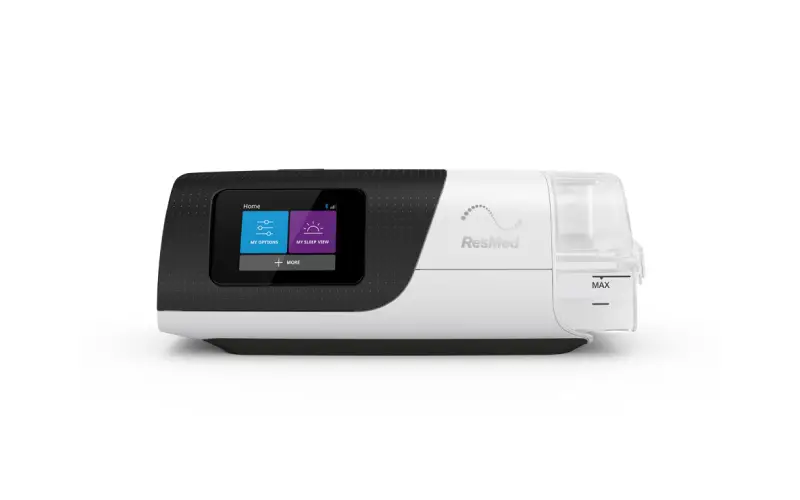
Sleep apnea is a common condition that affects millions of people worldwide. It involves repeated interruptions in breathing during sleep, which can lead to a variety of health problems such as fatigue, hypertension, heart disease, and more. For those who suspect they might have sleep apnea, seeking professional help is the first step. However, many patients prefer the convenience of testing at home rather than undergoing a full sleep study at a clinic. This is where a home sleep apnea test (HSAT) comes into play. Choosing the right home sleep apnea test for your needs is crucial for accurate diagnosis and effective treatment. In this article, we’ll guide you through the process of selecting the right test by focusing on the key aspects that matter most.
What Is A Home Sleep Apnea Test?
A home sleep apnea test is a diagnostic tool that allows you to test for sleep apnea in the comfort of your own home. These tests are designed to monitor your breathing patterns, heart rate, oxygen levels, and other essential parameters that help identify sleep apnea. Unlike traditional sleep studies (polysomnography), which are conducted in a sleep clinic and involve more comprehensive monitoring, home sleep apnea tests are simpler and less invasive. They are often recommended for patients who have a high likelihood of having obstructive sleep apnea (OSA) but do not exhibit symptoms that would require a more complex evaluation.

Benefits Of A Home Sleep Apnea Test
There are several benefits to choosing a home sleep apnea test over an in-lab study:
- Convenience: Home tests allow you to perform the study in your own environment, at a time that suits you, without the need for an overnight stay in a sleep clinic.
- Cost-Effective: Home sleep tests are typically less expensive than in-lab sleep studies, making them an attractive option for those with limited healthcare coverage.
- Comfort: Many people find it more comfortable to sleep in their own bed rather than being monitored in a clinical setting.
- Privacy: You have control over your environment and can take the test without feeling self-conscious or restricted by medical equipment.
Types Of Home Sleep Apnea Tests
There are several different types of home sleep apnea tests available. Understanding these options will help you determine which test is best for you. Home sleep tests vary in the number of parameters they monitor, from basic to comprehensive monitoring systems.
- Type I (Polysomnography at Home): This test monitors brain activity, eye movements, muscle activity, heart rate, airflow, and blood oxygen levels. Type I tests are the most comprehensive and often involve a combination of devices. Though not the most common for home use, some advanced home tests can monitor almost as much data as an in-lab sleep study.
- Type II (Comprehensive Home Sleep Apnea Test): A Type II test is a comprehensive test that monitors a variety of physiological signals such as heart rate, respiratory effort, oxygen saturation, and airflow. It may be recommended for individuals who have symptoms that could indicate moderate to severe sleep apnea. Type II tests are more accurate than Type III or IV tests but are still typically easier to use than in-lab polysomnography.
- Type III (Limited Channel Test): Type III tests are the most common type of home sleep apnea test. They usually monitor airflow, respiratory effort, heart rate, and blood oxygen levels. While they are less comprehensive than Type II tests, they are still reliable for diagnosing obstructive sleep apnea, especially in cases where the symptoms are clearly indicative of this condition.
- Type IV (Simple Screening Test): Type IV tests monitor the fewest parameters, typically just airflow and oxygen saturation. These tests are suitable for individuals who have mild symptoms or are simply looking for a preliminary assessment of their sleep health. However, the data they provide may not be enough to confirm a diagnosis, and they should ideally be used in conjunction with a healthcare provider’s evaluation.
Key Factors To Consider When Choosing A Home Sleep Apnea Test
When selecting the right home sleep apnea test, there are several factors to consider to ensure that the test meets your needs and provides accurate results.
- Your Symptoms and Medical History One of the most important factors in choosing the right test is your current symptoms and medical history. If you have obvious symptoms of sleep apnea, such as loud snoring, choking, or gasping during sleep, a Type III or Type II test may be suitable for detecting the condition. However, if you have other health conditions or severe symptoms, a more comprehensive test might be recommended by your doctor.
- Ease of Use The ease of use of the test is crucial. While most home sleep apnea tests are user-friendly, it’s important to consider how comfortable you will feel using the device. Some tests are designed to be worn on your wrist, while others may require sensors attached to your chest, nose, or finger. If you are not comfortable with a particular device, it may affect the quality of your sleep and, in turn, the test results.
- Accuracy The accuracy of the home sleep apnea test is another key factor. More complex tests, such as Type II or Type I tests, typically offer higher accuracy, as they monitor more physiological data. If you are looking for a comprehensive and reliable diagnosis, a more advanced test may be necessary. However, for individuals with mild symptoms or those seeking preliminary results, a Type III or IV test may be sufficient.
- Consult with a Healthcare Provider Before choosing a home sleep apnea test, it is highly recommended that you consult with a healthcare provider. They can help assess your symptoms and determine whether a home sleep apnea test is appropriate for you. In some cases, a healthcare provider may suggest an in-lab sleep study if your symptoms are severe or if you have other underlying health issues that could affect your results.
- Device Features Many home sleep apnea tests come with advanced features such as the ability to track and monitor your sleep cycles, adjust device settings, and offer real-time feedback on your sleep patterns. Some devices are even equipped with mobile apps that allow you to track your progress and communicate results with your healthcare provider. Choosing a test with features that align with your needs can enhance the experience and provide you with more useful insights.
- Insurance and Cost While home sleep apnea tests are typically more affordable than in-lab sleep studies, costs can still vary. It’s important to check with your insurance provider to see if the test is covered under your plan. Many home sleep apnea tests are available for purchase online, but be sure to verify that they meet medical standards and have been approved by the appropriate regulatory bodies.
How To Use A Home Sleep Apnea Test?
Once you’ve chosen the right test, the next step is to use it correctly. Most home sleep apnea tests are easy to set up and use. Here’s a general outline of how to use one:
- Follow the Instructions: Carefully read the instructions provided with the test. Each device may have different setup procedures, and it’s important to follow them closely to ensure accurate results.
- Prepare Your Sleeping Environment: Make sure your sleeping area is quiet and comfortable. Avoid any disruptions that could affect the quality of your sleep during the test.
- Wear the Device: Put on the device according to the instructions. The device may involve wearing sensors on your chest, finger, or nose.
- Sleep as Usual: Try to sleep normally, as any changes in your sleep behavior during the test could impact the results.
- Return the Device: Once the test is complete, return the device (if rented) or analyze the results based on the instructions.
Conclusion
Choosing the right home sleep apnea test is a key step in diagnosing and managing sleep apnea. It’s important to consider factors such as the severity of your symptoms, ease of use, accuracy, and the advice of a healthcare provider before making a decision. By understanding the different types of tests and their features, you can make an informed choice that fits your needs and helps you take control of your sleep health. Whether you’re seeking a simple screening or a more comprehensive diagnosis, a home sleep apnea test can be an effective, convenient, and affordable option.