
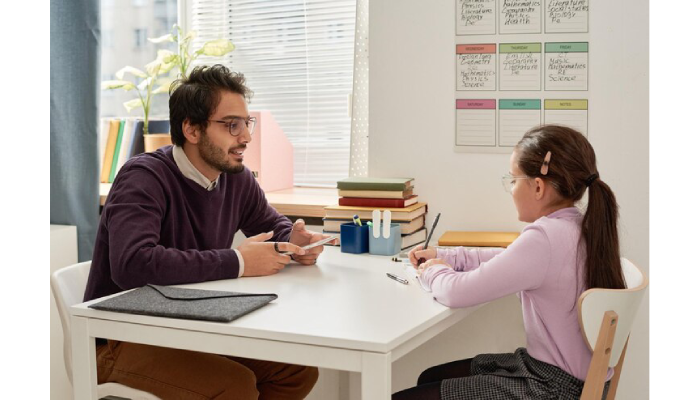
Getting teachers involved in counselling courses can greatly enhance student support and well-being. First, it’s essential to recognise that teachers are often the initial source of help for students. Engaging them through classroom collaboration helps integrate social-emotional learning into daily activities. Follow-up communication, such as emails after counselling sessions, keeps teachers informed on topics covered and suggests ways to reinforce lessons in class. Encouraging students to create take-home materials can strengthen connections between counselling and classroom learning. Training programmes should equip educators with vital skills like empathy and active listening, ensuring they provide immediate assistance without taking on the long-term role of counsellors.
1. The Role of Teachers in Student Support
Teachers are often the first to notice when students are struggling, whether academically or emotionally. Their ability to identify early signs of distress can make a significant difference in a student’s life. By maintaining regular communication with counsellors, teachers contribute to a cohesive support system that reinforces the efforts made in counselling sessions. This collaboration ensures that students receive consistent messages and strategies that promote their well-being.
In the classroom, teachers can implement techniques learned from counselling courses to create a positive environment. For instance, by fostering open discussions about feelings and coping strategies, they can help students feel safe expressing their concerns. Teachers also have a unique perspective on student interactions, which can provide valuable insights into the challenges their students face.
As role models, teachers demonstrate healthy relationships and coping mechanisms, serving as examples for students to emulate. They can facilitate peer support groups, allowing students to connect with peers who may share similar experiences, thus reducing feelings of isolation.
Moreover, involving teachers in counselling courses for schools discussions enhances their understanding of student behaviour and needs. They can collaborate with parents to create a consistent approach in supporting students, ensuring that strategies used at school align with those at home. Professional development focused on mental health equips teachers with the necessary skills to support students effectively, making them invaluable allies in the counselling process.

2. Engaging Teachers Through Classroom Collaboration
Engaging teachers through classroom collaboration is vital for integrating counselling into the educational framework. Collaborative projects can effectively demonstrate the significance of social-emotional learning in real-life scenarios, allowing teachers to appreciate its impact on student development. By sharing their experiences and strategies, teachers can enhance collective knowledge, creating a more informed teaching community.
Team teaching is another powerful method, as it fosters shared responsibility for student well-being, making the approach to counselling more holistic. Conducting workshops on effective classroom management techniques related to counselling principles can also equip teachers with practical skills they can use immediately. For instance, a workshop focusing on conflict resolution techniques can help teachers manage classroom dynamics better.
Peer observations serve as an excellent opportunity for teachers to adopt new strategies by learning from their colleagues. Watching a peer implement counselling concepts can inspire them to try similar approaches in their own classrooms. Furthermore, creating interdisciplinary lessons allows teachers to integrate counselling concepts across various subjects, enriching the curriculum while promoting student well-being.
Regular meetings can facilitate open dialogue about student progress and challenges, fostering a culture of support. Establishing mentorship programmes can connect experienced teachers with those new to the field, providing guidance and insight into effective counselling practises. Additionally, teachers can participate in community service projects that promote social responsibility among students, reinforcing the lessons learned in the classroom while building a sense of community.
3. Importance of Follow-Up Communication
Follow-up communication is essential in keeping teachers informed about student progress after counselling sessions. It reinforces learning objectives by linking counselling topics with what is happening in the classroom. For instance, if a student learns about emotional regulation in counselling, teachers can integrate related activities into their lessons, promoting a consistent approach. Regular updates can also highlight effective strategies that teachers might use with their students, ensuring that they feel supported in their roles.
Providing resources for teachers can significantly enhance their ability to support students outside of counselling sessions. This may include handouts on specific techniques or activities that align with the counselling lessons, giving teachers practical tools to reinforce learning. Follow-up can also involve check-in meetings, where counsellors and teachers discuss any concerns or successes in student behaviour, fostering a collaborative environment.
Clear communication regarding the teacher’s role in the counselling process is vital to prevent misunderstandings. By encouraging teachers to share their observations and feedback, a two-way dialogue is established, which can lead to more tailored support for students. This ongoing communication helps build trust between teachers and counsellors, promoting collaboration and ensuring that all parties are aligned in their efforts to support students. Moreover, effective follow-up serves as a reminder for teachers to implement the techniques discussed in counselling sessions, ensuring that the benefits continue beyond those initial meetings. Ultimately, consistent follow-up can help identify any additional support students might need, contributing to a comprehensive approach to student care.
4. Creating Student Take-Home Materials
Creating take-home materials is a fantastic way to bridge the gap between counselling sessions and students’ everyday lives. These materials should be tailored to the age group and relevant to the topics discussed in counselling, ensuring they resonate with students. For instance, worksheets that prompt self-reflexion on emotions can help students articulate their feelings and share their insights with parents or caregivers.
Take-home projects can encourage creativity, allowing students to express what they have learned in a fun and engaging way. A simple drawing or a written piece about their experiences in counselling can serve as a conversation starter at home, leading to meaningful discussions about important topics.
Additionally, sharing these materials with teachers can reinforce the lessons learned during counselling. Teachers can incorporate the take-home items into classroom discussions, further promoting understanding and support among peers. Regular updates to these materials can keep them fresh and engaging, ensuring that students remain interested in the topics at hand.
Moreover, utilising technology to create digital take-home resources can extend the reach to a broader audience. Online resources, such as videos or interactive activities, can enhance the learning experience and provide families with valuable tools to support their children. By fostering this connection between counselling and home, we can create a supportive environment that encourages open communication and emotional growth.
5. Utilising Visual Supports in Classrooms
Visual supports can greatly enhance understanding of complex concepts related to emotional and social learning. For instance, posters displaying coping strategies or positive behaviours can serve as constant reminders for students, helping them to internalise these important messages. By integrating visual aids into daily routines, teachers can create a more secure and supportive environment, making transitions smoother and reducing anxiety. Visual schedules can be particularly helpful, guiding students through changes in their day and providing a sense of predictability.
Furthermore, infographics can simplify complex information about mental health and wellbeing, making it more accessible to all students. Tailoring visuals to meet individual student needs ensures inclusivity, allowing every learner to engage with the material in a way that resonates with them. Involving students in the creation of these visual aids can foster a sense of ownership and engagement in their learning process.
Teachers should also consider regularly updating visual supports to reflect current topics discussed in counselling sessions, reinforcing the connection between what students learn and what they experience in the classroom. Additionally, these visuals can be used to celebrate student achievements, promoting a positive classroom culture that encourages collaboration and participation among students.
6. Inviting Teacher Participation in Counseling Sessions
Inviting teachers to participate in counselling sessions offers invaluable benefits for both educators and students. When teachers attend these sessions, they gain direct exposure to counselling techniques and topics, which helps them grasp the challenges and perspectives students face. This firsthand experience fosters a deeper understanding of student needs, enabling teachers to provide more effective support in their classrooms. Moreover, participation in counselling sessions can serve as professional development opportunities, allowing teachers to enhance their skills in managing student behaviour and building rapport with their students.
Role-playing exercises during these sessions can be particularly beneficial, as they allow teachers to practise counselling skills in a safe environment. For example, a teacher might participate in a role-play scenario where they learn how to respond to a student dealing with anxiety, equipping them with techniques they can use during actual classroom interactions. Additionally, sharing their experiences and insights during counselling sessions can contribute to a collaborative learning atmosphere, promoting a comprehensive approach to student support. By bridging the gap between counselling and classroom learning, teachers can reinforce the concepts taught in counselling, ensuring a consistent message reaches students. Overall, involving teachers in counselling sessions not only enriches their professional growth but also strengthens the support system for students.
- Teachers’ presence can provide them with firsthand experience of counselling techniques and topics.
- Involvement can help teachers understand student perspectives and challenges more deeply.
- Counselling sessions can serve as professional development opportunities for teachers.
- Teachers can offer their insights, contributing to a more comprehensive approach to student support.
- Their participation can help bridge the gap between counselling and classroom learning.
- Teachers can learn how to apply counselling techniques in their interactions with students.
- Observing counselling sessions can enhance teachers’ skills in managing student behaviour.
- Building rapport between teachers and students can be strengthened through shared experiences in counselling.
- Teachers can take part in role-playing exercises during sessions to practice skills.
- Inviting teachers to share their experiences can promote a collaborative learning environment.
7. Seeking Feedback from Teachers
Regularly asking for feedback from teachers is essential in enhancing counselling services. Teachers, as frontline supporters of students, can provide valuable insights into how current strategies are working or where they might fall short. For instance, if a teacher shares that students struggle to apply the skills learned in counselling sessions, this information can guide adjustments to the programme. Furthermore, by discussing their successes and challenges in addressing student needs, teachers can engage in collaborative problem-solving, leading to more effective support strategies.
Constructive feedback from teachers can also drive the development of tailored support programmes for students, ensuring that these initiatives are genuinely relevant and useful. Encouraging an open dialogue fosters a culture of continuous improvement, where both teachers and counselling staff adapt to the evolving needs of students. This process not only highlights the practical needs of teachers but also allows them to express their opinions on professional development opportunities related to counselling.
Utilising simple methods like surveys or informal check-ins can facilitate this feedback process efficiently. Moreover, recognising teachers’ efforts and contributions towards student support through their feedback can further motivate their involvement. Ultimately, harnessing this feedback effectively leads to a more integrated approach to student well-being, where teachers feel supported and empowered in their roles.
8. Training Needs for Educators in Counseling
Training for educators in counselling should be practical and tailored to their everyday interactions with students. Focused workshops can address specific challenges faced in classrooms, such as managing emotional outbursts or supporting students dealing with anxiety. Ongoing professional development is crucial, as it keeps teachers informed about the latest best practises and methods in counselling. This training should also equip teachers to recognise when students may need to be referred to professional counselling services, ensuring that they can act promptly and effectively.
Understanding mental health issues is another vital component of this training. It empowers teachers to respond appropriately to students’ needs. For instance, knowing the signs of depression or anxiety can help teachers provide immediate support or guidance. Role-play scenarios during training can boost teachers’ confidence in managing sensitive situations, allowing them to practise their responses in a safe environment.
Moreover, including self-care strategies in these training sessions is essential; teachers need to learn how to manage their own stress levels to better support their students. Incorporating case studies can also enhance the relatability of training, making it easier for teachers to see the practical application of what they learn. Peer-led training sessions can foster an environment of collaboration, encouraging teachers to share their experiences and best practises. Finally, gathering feedback from participants can inform future training, ensuring it remains relevant and effective in meeting the needs of educators.
9. Successful Evidence-Based Programs in Schools
Evidence-based programmes in schools provide a proven framework for effective counselling practises. These programmes often integrate social-emotional learning (SEL) into the curriculum, helping students develop essential life skills. Schools that implement such programmes frequently report improvements in both student behaviour and academic performance. For instance, data collected from these initiatives clearly demonstrate positive outcomes, indicating that students become more engaged and perform better academically when they have access to structured support.
To ensure these programmes remain effective, regular assessment is crucial. Continuous evaluation allows schools to adapt and refine their approaches based on what works best for their students. Collaborating with mental health professionals can significantly enhance the quality of these programmes, bringing expert knowledge into the school environment. Successful programmes often focus on building resilience and coping strategies, equipping students with the tools they need to navigate challenges.
The involvement of the whole school community is essential for maximum impact. When teachers, parents, and administrators work together, the support network surrounding students becomes stronger. Case studies from schools that have successfully implemented these programmes can serve as valuable models for others aiming to improve their counselling services. Each school can adapt these successful programmes to fit their unique contexts and student needs, ensuring relevance and effectiveness.