
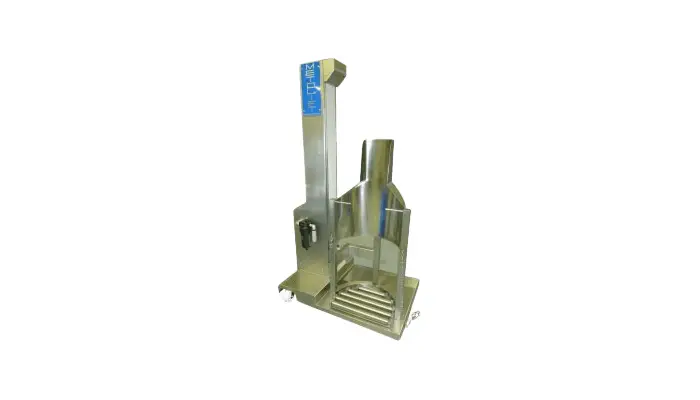
Efficient bulk material handling equipment is crucial for industries dealing with large volumes of materials, such as mining, agriculture, manufacturing, and construction. Equipment failures or unexpected downtime can lead to substantial financial losses, operational delays, and safety risks. Preventing equipment downtime requires a proactive approach that includes regular maintenance, operator training, proper equipment selection, and the integration of modern monitoring technologies.
This guide will explore key strategies to minimize downtime in bulk material handling equipment and ensure optimal performance.
Regular Maintenance and Inspections
One of the most effective ways to prevent downtime is through bulk material handling equipment . Regular checks help identify potential issues before they lead to system failures.
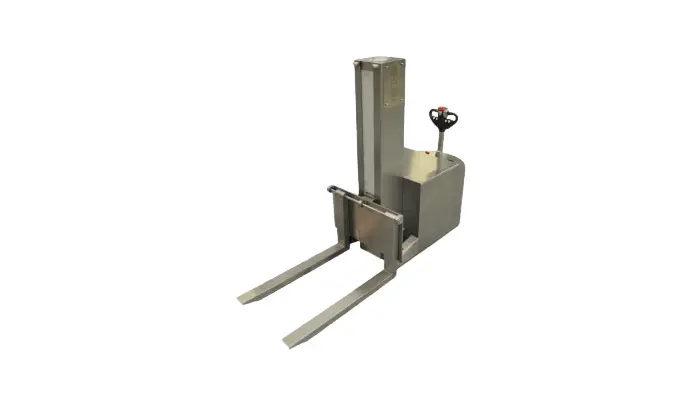
Preventive Maintenance Schedule
- Daily Inspections: Operators should check for visible signs of wear, unusual noises, and leaks.
- Weekly and Monthly Checks: Ensure all components, such as conveyor belts, bearings, and motors, are functioning correctly.
- Annual Overhaul: Conduct in-depth assessments of major equipment parts and replace worn-out components.
Lubrication and Cleaning
- Proper lubrication of moving parts reduces friction and wear.
- Cleaning components regularly prevents material buildup, which can lead to blockages and operational inefficiencies.
Operator Training and Best Practices
Proper training for personnel handling bulk material handling equipment is critical to minimizing downtime. Untrained operators can unknowingly misuse equipment, leading to premature failures.
Training Programs Should Include:
- Equipment operation best practices: Understanding load capacities, speed limits, and safety features.
- Emergency response training: Knowing how to handle breakdowns or malfunctions.
- Software and automation training: Familiarity with digital monitoring tools to detect early signs of issues.
Use High-Quality Equipment and Spare Parts
Investing in high-quality bulk material handling equipment may have a higher initial cost but can significantly reduce long-term downtime and repair expenses.
Selecting Durable Equipment
- Choose equipment designed for the specific materials being handled.
- Consider corrosion-resistant components for harsh environments.
- Opt for modular systems that allow for easy part replacement.
Stocking Spare Parts
- Maintain a critical spare parts inventory, including motors, belts, bearings, and hydraulic components.
- Partner with reliable suppliers who offer fast delivery of replacement parts.
Implement Condition Monitoring and Predictive Maintenance
Modern advancements in condition monitoring and predictive maintenance can help reduce downtime by predicting equipment failures before they happen.
Smart Sensors and IoT Integration
- Use vibration analysis to detect imbalances or misalignment.
- Employ temperature sensors to monitor overheating issues.
- Install real-time monitoring systems to track wear and tear on components.
Predictive Maintenance Software
- AI-driven analytics can assess trends and warn operators of potential failures.
- Automated alerts can signal when maintenance is required, reducing unexpected breakdowns.
Optimize Material Flow and Load Management
Handling bulk materials improperly can lead to excessive stress on machinery, causing premature wear and failures.
Proper Load Distribution
- Avoid overloading conveyors, hoppers, or feeders to prevent undue stress.
- Use automated load balancing systems to distribute weight evenly.
Reduce Material Spillage
- Use dust suppression systems to prevent excessive accumulation.
- Install properly designed chutes and guides to control material flow and minimize blockages.
Environmental Considerations and Protection Measures
Environmental factors such as dust, moisture, and extreme temperatures can contribute to equipment failures in bulk handling operations.
Strategies to Protect Equipment
- Weatherproofing machinery in outdoor environments.
- Using sealed bearings and motors to prevent contamination.
- Installing dust control systems to improve air quality and prevent equipment clogging.
Conclusion
Preventing downtime in bulk material handling equipment is achievable with proactive maintenance, operator training, high-quality equipment, predictive monitoring, and proper material handling strategies. By implementing these best practices, businesses can improve efficiency, reduce operational costs, and ensure long-term reliability of their equipment. Investing in the right preventive measures will ultimately lead to smoother operations and increased productivity.