
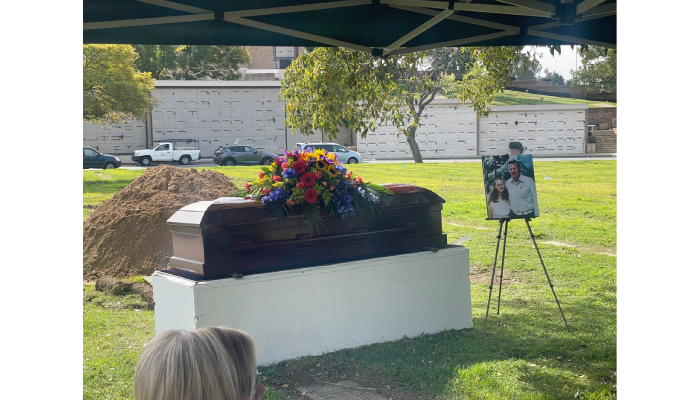
Respecting Iranian burial customs in Southern California involves understanding traditional Islamic practices, such as washing the body (ghusl), shrouding in white cloth, and burial oriented toward Mecca. Funeral homes experienced with Iranian families help coordinate these rites while working within local regulations, which sometimes require adjustments like using coffins. Mourning often includes wearing black and observing key days for prayers and remembrance, such as the 3rd, 7th, and 40th days after death. It’s respectful to bring white flowers and follow family cues during graveside visits. Participating quietly in prayers or expressing condolences with Persian phrases shows cultural sensitivity in this setting.
Overview of Traditional Iranian Burial Customs
Traditional Iranian burial in Southern California is deeply rooted in Islamic practices, reflecting respect, humility, and a strong connection to faith. The process typically begins with the ritual washing of the body, known as ghusl, performed carefully and respectfully according to religious guidelines, including gender-specific rules. After washing, the body is shrouded in plain white cloth called kafan, symbolizing purity and equality before God. Whenever possible, the body is buried directly in the earth without a coffin, lying on the right side facing Mecca (Qibla), which signifies spiritual orientation and community continuity. Burial usually takes place quickly, often within 24 hours of death, honoring Islamic principles about the prompt return to the earth. Men generally carry the deceased in the funeral procession; if the deceased is female, close male relatives, known as mahram, take on this responsibility. A mullah or religious leader leads prayers during the funeral, including the recitation of phrases like “Lā ilāha illā llāh” (There is no God but God) to honor the departed soul. After burial, mourners often gather in mosques or homes to continue prayers and remembrance. It’s important to note that minority religious groups within Iran, such as Baháʼís, Zoroastrians, Christians, and Jews, follow distinct burial rites reflecting their own traditions. Overall, the simplicity and specific rituals of Iranian Islamic burials emphasize humility, faith, and respect for the deceased.

Mourning Practices and Important Commemorative Days
In Iranian mourning traditions, key days after a loved one’s passing hold deep significance, especially the 3rd (sevom), 7th (haftom), 40th (chehelom), and the first anniversary (sāl). Family and friends gather on these occasions to recite prayers from the Quran, share memories, and offer support to one another. The first night after burial, called shab-e gharib or the “night of loneliness,” is observed quietly, reflecting the sense of loss and solitude felt by the bereaved. During the mourning period, mourners typically wear black clothing and avoid personal beautification such as haircuts, coloring, or makeup as a sign of respect and grief. The 40-day mark, chehelom, is a particularly important spiritual milestone; after this, mourners often begin to return to their usual routines, sometimes encouraged by close family members who symbolize the end of intense mourning. Throughout these days, serving specific foods like sweet halvā or dates during remembrance gatherings is common, providing both comfort and a symbolic connection to the deceased. In Iranian communities in Southern California, expressions of grief tend to be more private and subdued compared to those in Iran, with mourners avoiding joyful activities and maintaining a solemn atmosphere. Visitors frequently come to family homes during these intervals to offer condolences, and on the first anniversary, families hold formal remembrance events marked by prayers and shared meals, honoring the memory of the departed in a respectful and meaningful way.
Symbolic Funeral Foods and Their Meaning
In Iranian funeral customs, food plays a meaningful role that goes beyond nourishment. Halvā, a sweet paste made from flour, oil, saffron, and rosewater, is commonly prepared and served to guests. Its rich, fragrant flavor represents the sweetness of life and offers comfort during grief. Dates, often stuffed with walnuts, are also traditional offerings symbolizing nourishment and the hope for spiritual sweetness beyond death. These foods are shared among visitors who come to pay respects and support the family, providing physical sustenance during a time of emotional heaviness. Before or after eating, guests typically recite the fātiha from the Qur’an, a prayer honoring the deceased and connecting the gathering to spiritual remembrance. Preparing and distributing halvā often involves family members or community volunteers, reflecting a collective effort that strengthens bonds during mourning. The act of sharing food in this way is a cultural expression of hospitality, respect, and the continuity of life, symbolizing the soul’s journey and the community’s role in remembering the departed. Additionally, bringing white flowers to funerals or gravesites complements this symbolism, representing purity and peace. This tradition of gathering, praying, and eating together underscores the deep connection between life, death, and communal support in Iranian mourning practices.
Unique Iranian Burial Traditions and Rituals
Iranian burial customs carry deep cultural and spiritual meaning, blending Islamic rites with symbolic gestures that emphasize connection with the deceased. A common practice at gravesites is gently tapping or touching the headstone with fingers or a small rock while reciting prayers, a way to show remembrance and let the departed know they are not forgotten. Thursday evenings hold special significance for visiting graves and offering prayers, considered an auspicious time for reflection and blessing. In Iran, large condolence banners may be displayed outside homes or workplaces to honor the deceased, though this is less common in Southern California due to local customs. Mourning in Iran often includes open, emotional expressions such as loud wailing, but in diaspora communities like Southern California, these displays tend to be more subdued out of respect for local norms.
Another meaningful ritual involves breaking up flower petals and scattering them on graves, symbolizing respect and the blessing of the earth where the loved one rests. Mourners frequently sit or squat beside graves to pray, sometimes under a tent or gazebo to provide shade, highlighting the importance of physical closeness and ongoing spiritual connection. Specific prayers and Quranic verses are recited at the graveside, guided by religious leaders or family members, reinforcing faith and cultural identity. These rituals are not only personal but communal, with family and community participation reinforcing social support during mourning. The combination of prayer, symbolic acts, and shared presence creates a respectful atmosphere that honors both tradition and the memory of the deceased.
How Iranian Burial Customs Are Observed in Southern California?
In Southern California, Iranian burial customs are carefully respected through the efforts of specialized funeral homes like Friends Funeral Home and Farrington Mortuary. These establishments provide essential services such as ceremonial washing (ghusl) and shrouding (kafan), following Islamic traditions while adapting to local laws. They collaborate with local Islamic centers and Iranian clerics to organize funeral prayers (janaza), ensuring the rites align with family wishes and religious guidelines. Many cemeteries in the area accommodate specific needs like burial without coffins when permitted and orienting graves toward Mecca. Islamic centers often lead prayers and support families during burial and mourning periods, strengthening community ties. When families choose to repatriate the deceased to Iran, funeral homes coordinate closely with consulates and community organizations to handle logistics smoothly. Community groups like the Iranian Association of America also offer cultural support and guidance during these times. Cemeteries such as Pierce Brothers Westwood Village Memorial Park reflect the strong Iranian presence, with dedicated sections for Iranian graves. Overall, the coordination between funeral homes, mosques, families, and community organizations helps preserve Iranian burial traditions respectfully within the diaspora, balancing religious customs with the realities of life in the United States.
Social Etiquette at Iranian Funerals in Southern California
At Iranian funerals in Southern California, attendees typically wear black or dark clothing as a sign of respect and mourning. When expressing condolences, it’s common to use Persian phrases such as “tasliat migam” (my condolences) or “gham-e âkharet bâshe” (may this be your last sorrow). The deceased is respectfully referred to as “khodā biāmorz” (may God forgive) or “marhum” (the late). During the service, participants are expected to join in prayers or maintain a quiet, solemn demeanor, reflecting the somber nature of the occasion. Bringing white flowers is a customary gesture to show sympathy and honor the memory of the deceased. Compared to funerals in Iran, emotional displays here tend to be more reserved, aligning with local cultural norms. If you are unfamiliar with the customs, it is best to observe family members and follow their lead to avoid any disruptive behavior. While traditional Iranian burials often do not use coffins, in Southern California their use is more common due to legal and practical reasons, but funeral homes strive to honor traditional practices as much as possible. Services may be held in mosques, funeral homes, or occasionally churches, depending on the family’s preferences. Ultimately, showing support through your presence and respectful conduct holds more significance than verbal expressions, underscoring the community’s value on thoughtful participation.
- Attendees generally wear black or dark clothing to show respect during funerals.
- Condolences are expressed in Persian with phrases like “tasliat migam” and “gham-e âkharet bâshe.”
- Referring to the deceased respectfully involves terms such as “khodā biāmorz” or “marhum.”
- Participation in prayers or maintaining quiet, solemn behavior during services is expected.
- Bringing white flowers is a customary gesture of sympathy and respect.
- Emotional displays tend to be more restrained compared to Iran, reflecting local cultural norms.
- Observers unfamiliar with customs should follow family cues and avoid disruptive behavior.
- Use of coffins is more common in the US, but traditional practices are honored as much as possible.
- Venues may include mosques, funeral homes, or occasionally churches, depending on circumstances.
- Expressing support through presence and respectful conduct matters more than verbal interactions.
Legal Rules and Burial Logistics in Southern California
In Southern California, understanding and navigating local legal rules is essential for respecting Iranian burial customs. Health regulations typically allow burial within 48 hours, provided all necessary paperwork and permits are completed. However, burial without a coffin is often restricted by many cemeteries. Some will allow shrouded burials if special arrangements are made, but families should confirm these options early. Funeral homes familiar with Iranian traditions play a key role, helping families comply with both Islamic practices, like ceremonial washing (ghusl) and shrouding (kafan), and local laws. They also assist with the complex process of obtaining death certificates, burial permits, and coordinating with multiple agencies to avoid delays. Transporting the body, especially if repatriation to Iran is desired, requires careful coordination with consulates and licensed carriers to meet both U.S. and Iranian requirements. Pre-planning funeral arrangements can significantly ease the process, allowing customs to be observed promptly without unnecessary legal obstacles. Additionally, many Southern California cemeteries have sections designated for Muslim burials, accommodating orientation toward Mecca and sometimes allowing burial without a casket under specific conditions. Being aware of these legal and logistical details helps families honor Iranian customs respectfully within the framework of U.S. regulations.
Practical Tips for Respecting Iranian Burial Customs Locally
When attending an Iranian funeral or supporting a grieving family in Southern California, start by choosing a funeral home experienced with Iranian and Muslim burial rites. These homes understand the importance of ghusl (ritual washing), shrouding, and coordinating janaza prayers, ensuring the ceremonies are done properly and respectfully. Reach out to local mosques or Iranian clerics early to arrange religious observances, as their involvement is key in honoring traditional practices.
Dress appropriately by wearing dark or black clothing, avoiding casual or flashy attire out of respect. When offering condolences, use familiar Persian phrases such as “tasliat migam” (my condolences) or “gham-e âkharet bâshe” (may this be your last sorrow) to express sympathy in a culturally sensitive way. At funerals or mourning gatherings, quietly participate in prayers or observances, and if offered traditional foods like halvā or dates, accepting or sharing them shows solidarity.
If visiting graves or attending services, bring white flowers as a respectful gesture, reflecting Iranian customs. Be mindful of emotional cues from the family and community: while some may express grief openly, others might keep emotions more subdued in the U.S. setting. Follow their lead to avoid discomfort.
Learn about important mourning days such as the 3rd, 7th, 40th, and first anniversary, especially if you’re part of the local Iranian community. These gatherings often involve prayer and remembrance, offering opportunities to show continued support.
Understand local cemetery rules, since burial without a coffin or specific orientations may be restricted. Helping families navigate these regulations can ease stress during difficult times. Lastly, don’t hesitate to connect with Iranian cultural organizations in Southern California; they provide valuable resources, guidance, and community support to honor these traditions thoughtfully and respectfully.