
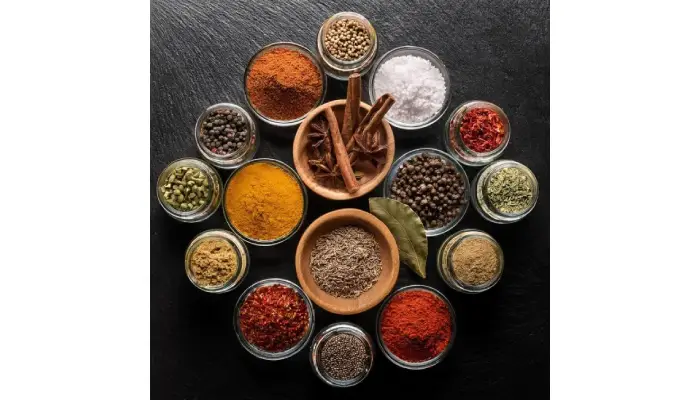
Sourcing quality spices for export from India involves several thoughtful steps. First, understanding global market demand is crucial; research which spices are popular and what trends are emerging. You should familiarize yourself with international quality standards like ISO and HACCP, making sure your chosen products meet import requirements. Building relationships with reputable suppliers who follow organic practices is key. Site visits to farms can reveal production quality, while rigorous testing ensures compliance with safety standards. Using proper packaging helps maintain freshness, and staying updated on regulations can keep everything in line. Lastly, actively engaging in marketing will promote your spices effectively.
1. Understand the Market Demand for Spices
To successfully export spices from India, it’s essential to first grasp the market demand. Start by researching global spice trends, identifying which spices—such as turmeric, cardamom, or black pepper—are gaining popularity in various regions. For instance, the rise of health-conscious consumers has led to an increased demand for organic spices, driven by their perceived health benefits. Additionally, exploring culinary trends can reveal shifts in preferences, like the growing interest in exotic flavors or spice blends used in international cuisines. Understanding these dynamics will help you align your sourcing strategy with market needs, ensuring your products appeal to potential buyers.
2. Identify Quality Standards for Export
To successfully export spices from India, you need to understand the quality standards that govern international trade. Familiarize yourself with key certifications like ISO (International Organization for Standardization), HACCP (Hazard Analysis and Critical Control Points), and FSSAI (Food Safety and Standards Authority of India). These standards ensure that your spices are safe for consumption and meet the quality expectations of global markets. Additionally, each importing country may have specific grading systems and certifications, such as USDA Organic for organic products. For instance, if you plan to export turmeric to the United States, make sure it complies with USDA regulations on pesticide residues and labeling. Meeting these quality standards not only enhances your product’s credibility but also increases your chances of successful sales in competitive markets.
3. Source from Reputable Suppliers in India
To ensure the quality of spices for export, it is crucial to build relationships with reputable suppliers in India. Look for suppliers who have a strong track record and positive reviews in the industry. Certifications such as organic farming and quality control are essential indicators of reliability. For instance, suppliers certified by organizations like USDA Organic or Global GAP often adhere to stringent farming and processing standards. Engaging with these suppliers not only ensures high-quality products but also provides a network of support for sourcing and logistics. Attending trade fairs and exhibitions can be an excellent way to connect with potential suppliers and verify their credentials. Developing a good rapport with suppliers can also lead to better pricing and exclusive access to premium spice varieties.
- Research supplier backgrounds and reputation
- Verify industry certifications and standards
- Seek recommendations from industry peers
- Check for customer testimonials and reviews
- Evaluate financial stability and experience
- Ensure transparent pricing and terms of service
- Communicate clearly about expectations and delivery timelines
4. Conduct Site Visits to Assess Quality
Conducting site visits is crucial in assessing the quality of spices for export. By visiting spice farms and processing units, exporters can gain firsthand insight into the cultivation and production processes. For example, seeing how turmeric is grown and harvested allows you to evaluate farming practices, including the use of fertilizers and pest control methods.
In addition, on-site visits enable you to inspect hygiene practices in processing facilities. Check for cleanliness, proper storage methods, and adherence to quality control standards. This ensures that the spices are not only high in quality but also safe for consumption.
5. Implement Quality Assurance Testing
Quality assurance testing is a crucial step in sourcing quality spices for export. It ensures that the spices you intend to export meet all necessary safety and quality standards. Start by testing for moisture content, which can affect the spice’s shelf life and flavor. For example, spices like turmeric should have a moisture content of less than 8% to maintain their quality during transport.
Next, check for pesticide residues. Given the increasing global demand for organic products, testing for these residues is vital to avoid health risks and potential legal issues. Use accredited laboratories that follow international testing protocols to get accurate results.
Microbial contamination is another critical factor. Spices can be a breeding ground for bacteria if not processed and stored properly. Conduct tests for common pathogens such as Salmonella and E. coli to ensure that your spices are safe for consumption. This not only protects consumers but also helps build trust with your international buyers.
6. Focus on Packaging and Labeling Needs
Proper packaging and labeling are crucial for the successful export of spices. High-quality packaging not only preserves the freshness and aroma of spices but also adds to their visual appeal, which can significantly influence buying decisions. For instance, using vacuum-sealed bags or glass jars can help maintain the quality of spices during transit. Furthermore, packaging should be durable enough to withstand the rigors of international shipping.
Labeling must comply with the regulatory requirements of the destination country. This includes providing a clear ingredient list, nutritional information, and any relevant certifications, such as organic or non-GMO labels. For example, if you are exporting to the European Union, ensure that the labeling adheres to their specific regulations, which can differ from those in the U.S.
Consider also the cultural aspects of packaging and labeling; colors, designs, and descriptions that resonate with local consumers can enhance market acceptance. Engaging a local designer who understands the market can be beneficial in this regard. Overall, investing in the right packaging and labeling can differentiate your spices in a competitive market and help build a strong brand identity.
7. Plan Logistics and Distribution Strategies
Planning logistics and distribution for spice exports from India requires careful consideration of various factors to ensure the spices reach their destination in top condition. Start by partnering with reliable logistics providers who have experience in handling food products. They should understand the importance of maintaining the right temperature and humidity levels during transport, as spices can lose their flavor and quality if not handled properly.
Additionally, consider the shelf life of the spices you are exporting. For instance, some spices like turmeric have a longer shelf life compared to others like ground black pepper. This can influence your shipping timelines and storage solutions. It’s also vital to plan for potential delays in transportation and have contingency plans in place.
Moreover, understanding the distribution channels in the target market is crucial. Whether selling directly to retailers, wholesalers, or through online platforms, having a clear strategy for distribution will enhance your efficiency. For example, if targeting a large retailer, ensure your logistics can meet their demands for bulk shipments while maintaining product integrity. By thoughtfully planning your logistics and distribution approaches, you can ensure the successful export of quality spices from India.
8. Ensure Regulatory Compliance for Exports
Regulatory compliance is crucial for successfully exporting spices from India. It’s essential to stay informed about the export regulations set by both the Indian government and the importing countries. This includes understanding the specific health and safety standards, as well as any import tariffs or quotas that may apply. For instance, some countries may require specific certifications, like organic or fair trade, which can affect your ability to enter those markets.
Obtaining the necessary export licenses is another vital step. This may involve applying for permits from the Directorate General of Foreign Trade (DGFT) in India. Additionally, ensure that all documentation, such as phytosanitary certificates, is accurate and complete, as missing or incorrect paperwork can lead to delays or rejections at customs.
9. Utilize Marketing and Promotion Techniques
To effectively market and promote your spices, leverage both digital and traditional platforms. Online, establish a strong presence through social media channels, showcasing your products with high-quality images and engaging content. For instance, share recipes that incorporate your spices or highlight their health benefits. Additionally, consider participating in trade exhibitions and food expos where you can network with potential buyers and showcase your unique selling points, such as organic certification and the rich heritage of Indian spices. Collaborating with influencers in the culinary space can also amplify your reach. By effectively communicating the quality and authenticity of your spices, you can attract international buyers and build a loyal customer base.