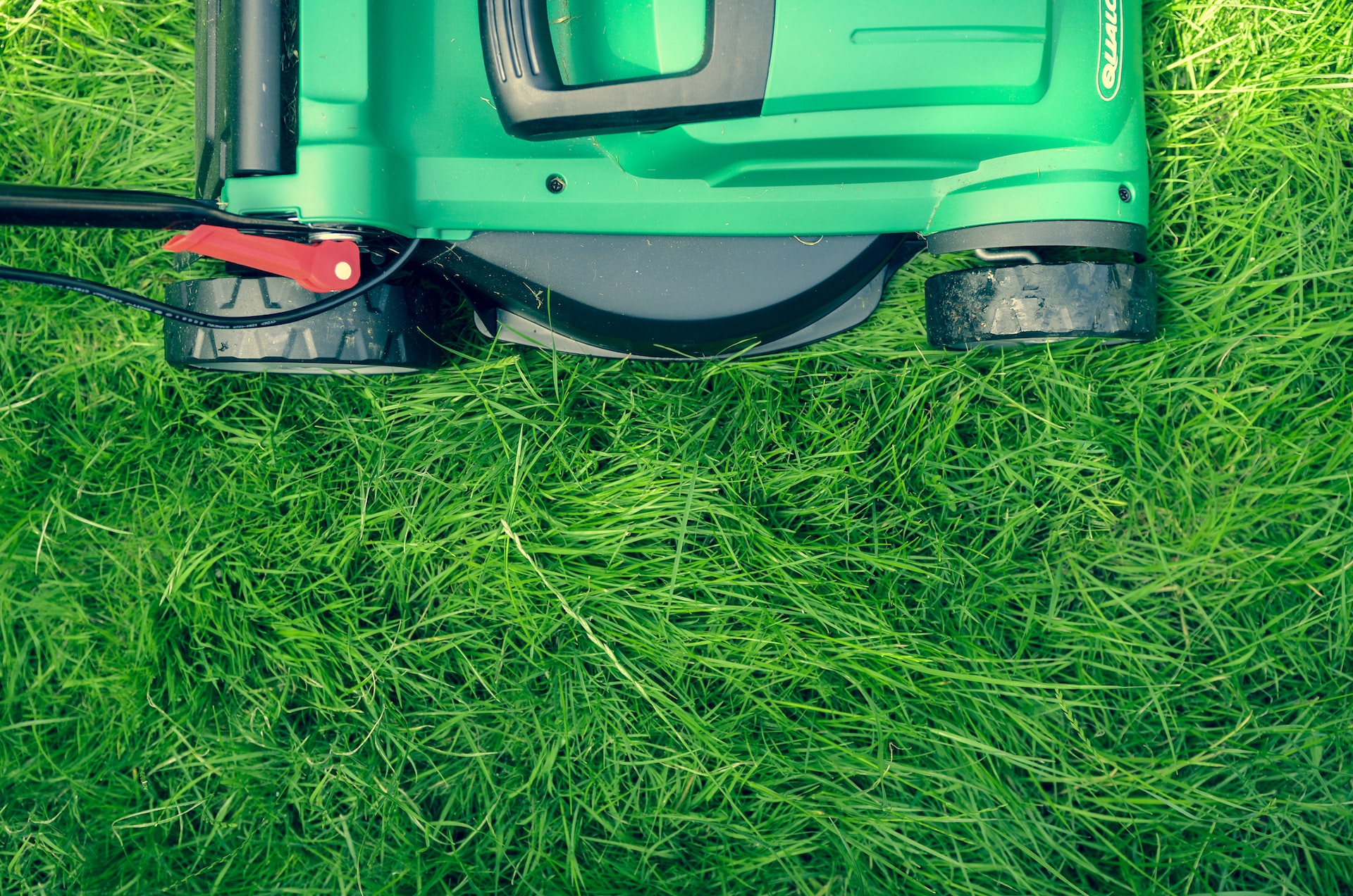
Mowing your grass frequently will encourage lush, green growth. To prevent weeds like dandelions from competing with the grass, pull them up as soon as you spot them. You may also spread grass seed over barren places to encourage new growth.
In dry summers, water your grass with rainfall that has been stored and gray water to prevent a browning lawn. To keep a lush, green sward, rake out dead growth in the fall. Trampled patches can be revived by forking the turf to aerate it.
To improve your lawn’s health and look, use the accompanying care advice.
Routine Lawn Mowing
In the summer, mow your lawn at least once every week; in the spring, the fall, and the warm winter months, mow it every two weeks. Regular cutting promotes the roots’ ability to expand, which will aid in filling up gaps and keeping weeds out.
Raising the cutting height of your mower in the summer will help prevent browning of the grass in dry weather by leaving the lawn on the ground for 5 to 10 cm longer. Keep the blades on your mower sharp and in good condition.
Feed Your Lawn
You must feed your grass frequently if you want it to appear good. Invest in a wheeled lawn feeder for a quick and precise job if you have a vast lawn. Apply fertilizer to grass when rain is expected to ensure that it gets washed down to the roots and prevent scorching the leaf blades.
Organic fertilizers are preferable than chemical ones for long-term lawn health. If it doesn’t rain, water the fertilizer in using a watering can or a long retractable garden hose. Within a week, your lawn should appear greener. In the spring and mid-summer, lawns often require feeding.
Water Your Lawn
Young lawns should always be watered, but don’t overwater them since this can lead to shallow root growth and poor establishment. Use grey water from your bath or washing machine or rainwater from a water butt wherever possible.
Sprinklers are ideal for maintaining lawn moisture, but they consume a lot of mains water and are not allowed when hosepipes are not allowed. If an established grass turns brown, don’t be alarmed; it’s still alive. When the rains arrive, it will merely turn green once more.
Weed the Lawn
Wide, flat leaves of plantains and dandelions can bury huge lawn patches and prevent growth, but they are simple to get rid of with a hand trowel or daisy grubber. Raking before you mow can assist to raise weeds like yellow medick, buttercups, and clover up into the mower blades, weakening and eventually destroying them. These weeds can also swiftly spread over a lawn.
Steer clear of applying weedkillers. Chemical weedkillers can be costly and ultimately fail to address unhealthy grass, which supports the growth of weeds. Try making your own weed killer if you feel the need to use one.
Release Compacted Grass
In addition to preventing grass from growing adequately, compacted ground can result in barren patches in the summer and mud puddles in the winter.
By inserting a garden fork about 10 cm deep into the soil every 10 cm and gently rocking back and forth on the fork handle, you may relieve the compaction and aerate the soil. The prongs loosen the soil, allowing the grass roots to breathe and promoting new growth.
Brush sharp sand or fine horticultural grit into the holes on dense ground, such as clay soils, to enhance drainage and stop additional compaction.
Trim the Lawn
The last touch to a tidy, cut grass is edging. To clearly define the perimeter of your lawn and prevent grass from encroaching into borders, use a pair of long-handled shears. Your garden is immediately more orderly, giving it a really gratifying finish.
Use a spade or half-moon edger to realign the border where the grass has grown into it. You can also construct permanent edging so that the grass cannot cross it.
Sometimes the simple ways are also the best ways to keep your lawn in excellent condition. Make sure to check your lawn every day and do the things listed above and you won’t have any problems.