
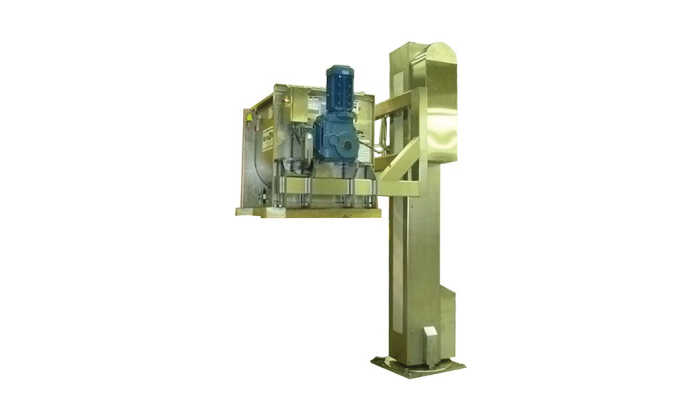
In industries where cleanliness, sanitation, and safety are critical, equipment design plays a pivotal role in maintaining optimal operational standards. While mobile column lifts are typically associated with heavy-duty vehicle maintenance, their design aspects—especially hygienic design—are gaining increasing attention. Whether in food processing facilities, pharmaceutical plants, or public transport depots, the mobile column lift must meet stringent hygiene and safety requirements. But what exactly is hygienic design, and why should it matter in mobile column lifts?
This article explores the importance of hygienic design in mobile column lifts, its impact on safety, operational efficiency, regulatory compliance, and how businesses can benefit from investing in hygiene-optimized lifting solutions.
What is Hygienic Design?
Hygienic design refers to the thoughtful construction of equipment in a way that minimizes the risk of contamination, promotes ease of cleaning, and ensures compliance with health and safety standards. Key characteristics include:
- Smooth, non-porous surfaces
- Easy-to-clean components
- Minimal joints and crevices
- Corrosion-resistant materials (e.g., stainless steel)
- Proper drainage features
While hygienic design is commonly associated with food or pharmaceutical equipment, it is becoming increasingly relevant in mobile column lift, particularly when used in environments that demand strict cleanliness protocols.
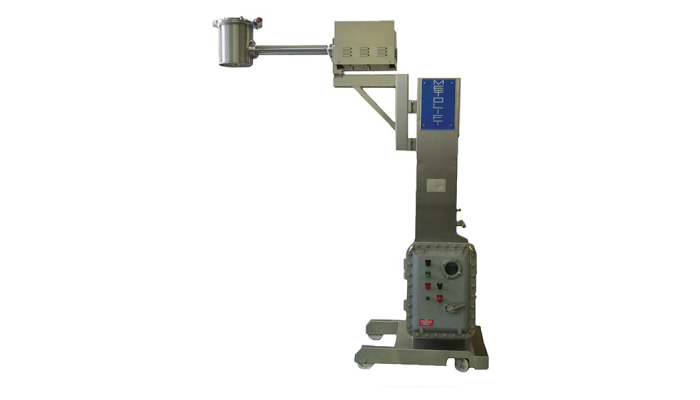
Why Hygienic Design Matters in Mobile Column Lifts?
Enhanced Safety and Contamination Control
A mobile column lift with hygienic features reduces the chances of grease, dust, oil, or bacteria accumulating on surfaces. In industries such as food transport and waste management, cross-contamination can be a serious concern. Equipment that harbors contaminants not only risks spreading bacteria but can also compromise the integrity of products and employee health.
Compliance with Industry Standards
Regulatory bodies like the FDA, EU Machinery Directive, and OSHA impose strict guidelines on equipment used in sensitive environments. A hygienically designed mobile column lift is more likely to meet these criteria, avoiding penalties, inspections delays, or operational shutdowns.
For instance:
- Stainless steel finishes ensure corrosion resistance.
- Sealed electrical components prevent moisture ingress.
- IP-rated controls allow for safe washdowns and cleaning.
Improved Maintenance and Cleaning Efficiency
Mobile column lifts with easy-to-clean surfaces and reduced dirt-trapping areas allow quicker, more effective cleaning routines. This leads to lower downtime and higher productivity. In facilities operating around the clock, even a few hours of saved cleaning time per week can add up to significant gains.
Applications Where Hygienic Design is Crucial
Public Transportation Fleets
Municipal buses and metro vehicles often operate in urban areas where hygiene is a concern for both passengers and service technicians. Clean environments reduce health risks and promote positive public perception.
Food and Beverage Logistics
Trucks used for transporting consumables must maintain strict hygiene standards throughout the vehicle servicing process. Using a mobile column lift designed with hygienic considerations ensures sanitation isn’t compromised during maintenance.
Pharmaceutical Transport Vehicles
Vehicles involved in the pharmaceutical supply chain must meet rigorous standards. Any equipment used for servicing must uphold similar hygienic practices.
Waste Collection and Sanitation Vehicles
These vehicles are inherently exposed to contaminants. Hygienic lift designs prevent build-up of hazardous waste and support better cleaning protocols.
Key Features of a Hygienically Designed Mobile Column Lift
If you’re in the market for a hygienic mobile column lift, consider the following features:
Smooth, Rounded Edges
Sharp corners and hard-to-reach spaces collect grime. Rounded designs make cleaning faster and more effective.
Fully Sealed Units
Sealed columns and control panels prevent water, dust, and cleaning agents from damaging the internal components.
Stainless Steel Construction
Stainless steel resists rust, corrosion, and bacteria build-up, making it the preferred material for hygienic applications.
Open Base Design
Open or sloped bases promote drainage and prevent pooling of liquids underneath the column.
Non-Toxic Coatings
Paint and coatings used on the lift should be non-toxic and compliant with hygiene standards.
Benefits of Using Hygienic Mobile Column Lifts
Better Equipment Longevity
Corrosion-resistant materials last longer, reducing wear and tear caused by frequent cleaning.
Enhanced Workplace Safety
Minimizing contamination improves air quality and reduces the risk of slips, respiratory issues, or infections in the workshop.
Higher Operational Uptime
Faster cleaning times and fewer repairs mean more time spent servicing vehicles and less time waiting for lift availability.
Improved Brand Reputation
Demonstrating commitment to hygiene builds trust with clients, employees, and regulatory agencies.
Conclusion
As industries continue to prioritize health, safety, and cleanliness, hygienic design in mobile column lifts is not just a nice-to-have it’s a necessity. From enhancing safety and reducing contamination to ensuring compliance and boosting operational efficiency, the benefits are tangible and far-reaching.
Whether you’re managing a fleet of sanitation vehicles or operating in a food-safe environment, investing in a mobile column lift with a hygienic design is a proactive step toward better performance, safety, and reputation.