
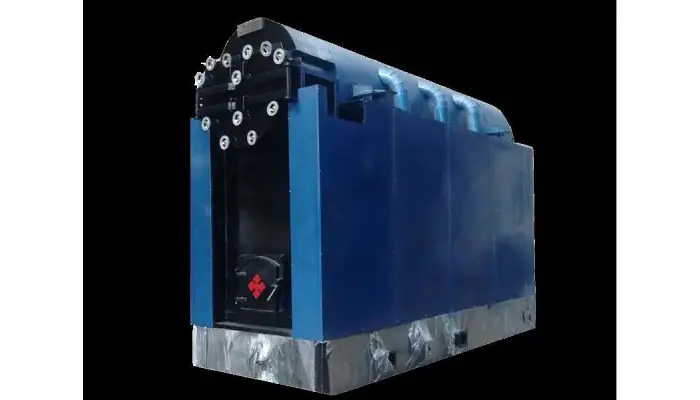
In today’s environmentally conscious and cost-driven world, businesses are continually seeking ways to optimize operations and reduce their carbon footprint while maintaining profitability. One of the most effective methods of achieving these goals is by utilizing a waste heat boiler. Waste heat recovery systems, like waste heat boilers, help capture and reuse heat that would otherwise be lost in industrial processes. This process can provide numerous benefits, including improved energy efficiency, reduced operational costs, and enhanced sustainability. However, before deciding if a waste heat boiler is the right investment for your business, it’s essential to consider several key factors that could influence its success.
Understanding Waste Heat Boilers
A waste heat boiler is a device designed to recover heat from exhaust gases or other waste heat sources produced during industrial processes, such as combustion, chemical reactions, or manufacturing operations. Instead of letting this energy escape into the atmosphere, a waste heat boiler captures and converts it into usable heat, typically in the form of steam or hot water, which can be reused within the facility. This recovered heat can then be employed for a variety of purposes, including heating, power generation, or process needs.
Waste heat boilers are commonly used in industries such as steel, cement, chemical processing, oil and gas, and power generation, where high-temperature exhaust gases are abundant. In essence, these boilers help businesses make use of a resource that would otherwise go to waste, turning it into a valuable asset.

Benefits Of Installing A Waste Heat Boiler
- Energy Cost Savings
The most immediate and tangible benefit of installing a waste heat boiler is the potential for significant energy cost savings. By recovering heat that would otherwise be wasted, your business can reduce its reliance on external energy sources, which translates into lower fuel and electricity bills. The more heat you can recover, the less you will need to purchase from utilities, leading to a direct impact on your bottom line. - Reduced Carbon Footprint
Waste heat recovery plays a critical role in reducing the environmental impact of your business. By reusing heat rather than releasing it into the atmosphere, you can significantly decrease the greenhouse gas emissions associated with your operations. This is particularly important as businesses are increasingly held accountable for their environmental footprint and strive to meet regulatory requirements or sustainability goals. Investing in a waste heat boiler not only enhances your operational efficiency but also helps improve your company’s environmental credentials. - Increased Energy Efficiency
Waste heat boilers can enhance the overall energy efficiency of your business. Traditional boilers often operate at only 70-80% efficiency, while waste heat recovery systems can push this figure much higher by making use of energy that would otherwise be lost. This improved efficiency means that the same amount of work can be done with less energy input, contributing to lower operational costs and a more sustainable process. - Reduced Operating Costs
Beyond the savings in energy consumption, waste heat boilers can help reduce maintenance and operational costs. Since waste heat recovery systems typically operate with fewer mechanical components and have a longer lifespan than traditional boilers, they require less maintenance. Additionally, they can help optimize other systems, such as cooling or heating systems, further lowering operational expenditures. - Sustainability and Regulatory Compliance
As sustainability becomes an increasingly important factor for businesses, waste heat boilers can help meet environmental regulations and compliance standards. Governments around the world are tightening emissions regulations, and businesses are being pressured to reduce their carbon footprint. By investing in waste heat recovery technology, your business can ensure compliance with these regulations, avoiding potential fines or penalties and enhancing your reputation as a responsible corporate entity.
Key Considerations Before Investing In A Waste Heat Boiler
While the benefits of waste heat boilers are clear, it’s important to carefully evaluate whether this technology is a good fit for your business. Several factors should be considered before making an investment.
- Heat Source Availability and Suitability
Not all businesses will generate waste heat that is suitable for recovery. The potential for using a waste heat boiler largely depends on the type of industry and the specific processes involved. For instance, industries that produce high-temperature exhaust gases (e.g., steel production, chemical processing, or power generation) are the most likely candidates for waste heat recovery systems. Before investing, it’s essential to conduct an energy audit to assess the amount of waste heat your operations produce and determine whether it’s sufficient to justify the installation of a waste heat boiler. - Initial Investment and Payback Period
The initial cost of installing a waste heat boiler can be significant, including the cost of equipment, installation, and potential upgrades to existing infrastructure. Depending on the scale of your operations, this investment can take time to pay off. It’s essential to conduct a thorough cost-benefit analysis, considering both the upfront investment and the long-term savings. A waste heat boiler typically pays for itself over a few years, but the specific payback period will depend on the amount of waste heat available and your energy consumption. - System Compatibility
Integrating a waste heat boiler into your existing operations requires careful planning and design. The system must be compatible with your current infrastructure, including exhaust systems, power generation setups, and heat distribution networks. It’s important to work with experienced engineers who can design and implement a system that seamlessly integrates with your existing processes without causing disruptions. - Operational and Maintenance Requirements
While waste heat boilers generally require less maintenance than traditional boilers, they still require regular monitoring and upkeep. This includes checking for corrosion, cleaning heat exchangers, and ensuring that all components are functioning properly. Businesses must be prepared to allocate resources for the maintenance of the system and train staff to operate it effectively. - Government Incentives and Funding Opportunities
In many regions, governments offer incentives, grants, or tax credits for businesses that invest in energy-efficient technologies like waste heat boilers. These financial incentives can significantly reduce the initial investment required and shorten the payback period. It’s worth researching whether your business qualifies for any of these programs, as they can help make the investment more financially viable.
Is A Waste Heat Boiler Right For Your Business?
To determine whether a waste heat boiler is a good investment, you must evaluate several factors, including the amount of waste heat your operations generate, your energy consumption patterns, the potential for cost savings, and the upfront investment required. For industries with high energy consumption and significant waste heat production, a waste heat boiler can be an excellent way to reduce costs, improve energy efficiency, and enhance sustainability.
Ultimately, if your business is committed to reducing operational costs, improving energy efficiency, and lowering environmental impact, a waste heat boiler could be the right investment. However, it’s essential to carefully assess your specific needs and ensure that the system is the right fit for your business’s operations and infrastructure.
Conclusion
Investing in a waste heat boiler can provide substantial benefits to businesses looking to improve their energy efficiency, reduce costs, and meet sustainability goals. By capturing and reusing heat that would otherwise be lost, waste heat recovery systems can provide long-term financial and environmental advantages. However, before making an investment, it’s crucial to evaluate the potential for waste heat recovery, the initial investment costs, and the compatibility of the system with your operations. With careful planning and a strategic approach, a waste heat boiler can be a valuable asset that helps your business become more energy-efficient, cost-effective, and environmentally responsible.