

What the Word “Scam” Actually Means in a Healthcare Context
A scam is not a casual insult. In legal and regulatory terms, it refers to deliberate deception intended to obtain money or services through false representation. That definition matters because many experiences that feel unfair or frustrating do not meet that threshold. When people ask whether Aspen Dental is a scam, they are usually not making a legal claim. They are reacting to an experience where expectations, outcomes, or communication broke down after commitment.
Under standard definitions, dissatisfaction, billing disputes, or poor follow-up do not automatically qualify as a scam. They point instead to process and execution issues.
Why People Use the Word “Scam” Anyway
The term appears most often when frustration peaks and clarity feels out of reach.
Common triggers include:
- Payment made before all issues are resolved
- Difficulty reaching the office after treatment
- Charges or balances appearing later than expected
- Insurance submissions delayed or unclear
- Follow-up care not addressing the original problem
At that stage, emotional language replaces technical language. “Scam” becomes shorthand for feeling trapped in a process that no longer feels controllable.
What Recent Patient Reviews Actually Describe
The following examples reference selected portions of publicly posted Trustpilot reviews. Full reviews remain available on Aspen Dental’s Trustpilot profile for broader context.
Michael, December 29, 2025
Context
Michael underwent multiple extractions and completed payment.
Paraphrased experience
After anesthesia wore off, he reported severe pain and was unable to reach the office or after-hours contacts for several hours. Medication had been prescribed but not communicated. In an update, he described continued problems with a healing denture and stated that he could not obtain assistance despite having already paid in full.
Analysis
The experience reflects delayed communication and limited access to follow-up care after payment. While the frustration is clear, the issue described is post-treatment responsiveness rather than deceptive inducement.
Maurice, December 24, 2025
Context
Maurice reported that his first visits went smoothly.
Paraphrased experience
A later appointment was canceled due to provider availability. Months afterward, he received a bill for services he stated were not rendered, and his insurer had not been billed at the time.
Analysis
This review highlights delayed billing and documentation confusion. The concern centers on administrative handling rather than misrepresentation at the point of sale.
Why These Experiences Get Labeled as “Scams” Online
When similar stories appear repeatedly, strong language spreads faster than precise language.
Patterns that contribute include:
- Commitment occurring before full resolution
- Limited visibility into who owns a problem after treatment
- Multiple handoffs between offices, billing, and insurers
- Delays that leave patients feeling ignored
None of these elements alone define a scam. Together, they create a sense of imbalance that leads people to use the strongest word they know.
A Documented Vendor Case Showing a Comparable Timing Issue
Zavza Seal LLC Project Overview
- Location: Holbrook, New York
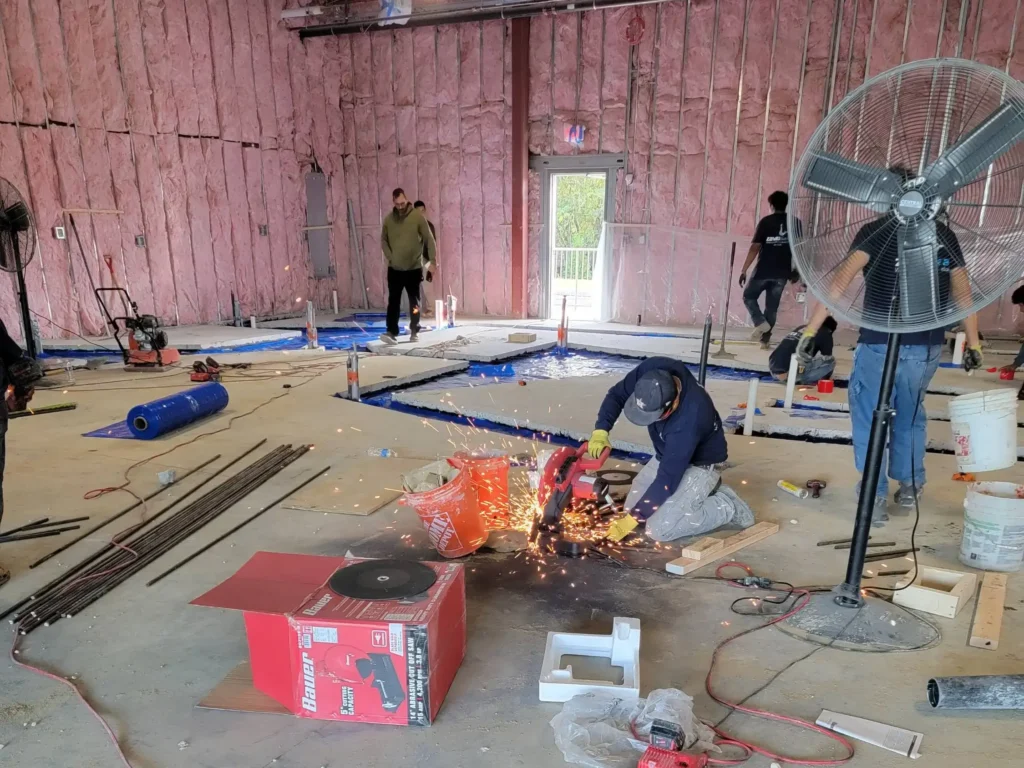
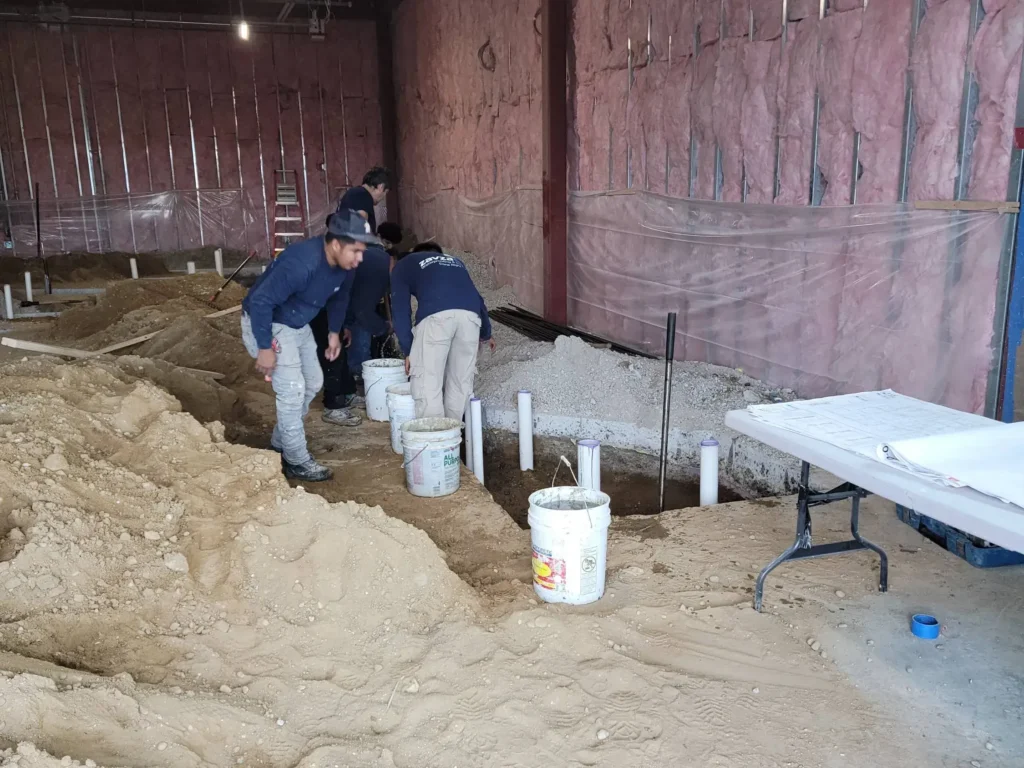
- Scope: Concrete, framing, drywall
- Project period: August 2024 to December 2024
- Delivery: Completed one week ahead of schedule
Contract and Payment Summary
- Original contract amount: $96,000
- Approved change orders: $45,381.14
- Total contract value: $141,381.14
- Payment received: $19,000 in October 2024
- Outstanding balance: $122,381.14
Timeline Notes
- Work was completed and documented during the project period
- No additional payments were issued after October 2024
- Communications continued regarding payment status
- As of June 25, 2025, a settlement offer of $25,000 was made against the outstanding balance
This single vendor case is included to illustrate how post-completion timing can affect perception in a different context. It is not presented as evidence of fraud, deception, or intent. Zavza Seal shared the images of their work, Images an be accessed here.
What This Means for Someone Asking “Is Aspen Dental a Scam?”
For most people, the better question is not whether something is a scam, but where friction tends to occur.
Practical steps include:
- Clarifying when full payment is expected relative to treatment completion
- Asking how post-treatment issues are handled and escalated
- Confirming insurance submission timelines in writing
- Identifying a clear point of contact for follow-up
- Keeping records of treatment plans, charges, and communications
In public discussions, the word “scam” often signals a breakdown in trust rather than the presence of deception. Understanding that distinction helps separate emotional reactions from factual risk.
For more visit Mouserunner’s blog page.