
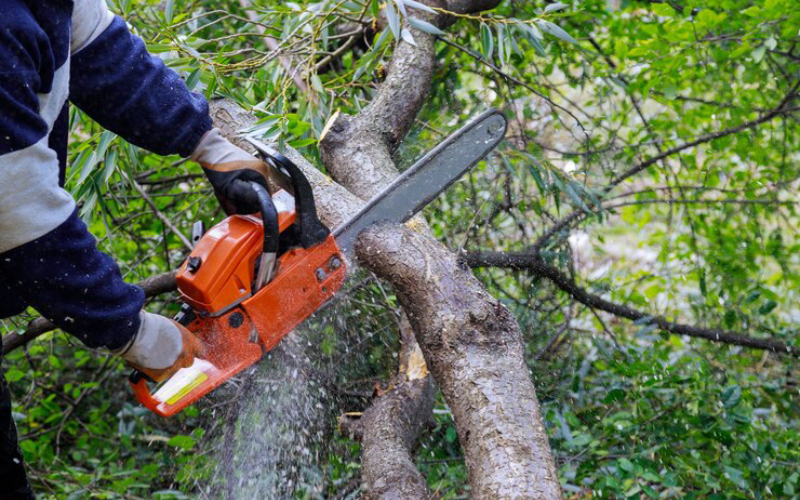
Ensuring that you receive quality tree pruning service is essential for the health, aesthetics, and safety of your trees and property. Trees, with their majestic presence and vital role in our ecosystem, deserve proper care and attention. In this comprehensive guide, we will explore the critical aspects of tree pruning, from the importance of professional services to the timing of pruning, common mistakes to avoid, and the long-term benefits of this essential arboricultural practice. By the end of this article, you will have the knowledge needed to make informed decisions about caring for your trees, ensuring their vitality and longevity.
What You Need To Know About Professional Tree Pruning Service?
Professional tree pruning is a specialized skill that requires knowledge, experience, and the right tools. Hiring certified arborists or tree care experts is crucial to ensure the health and safety of your trees. They understand the biology of trees, recognize structural issues, and can tailor pruning techniques to your tree species. Tree pruning service can help keep your trees healthy and attractive. Additionally, professionals adhere to safety standards, preventing accidents and damage during the pruning process. Investing in expert services is an investment in the well-being of your trees.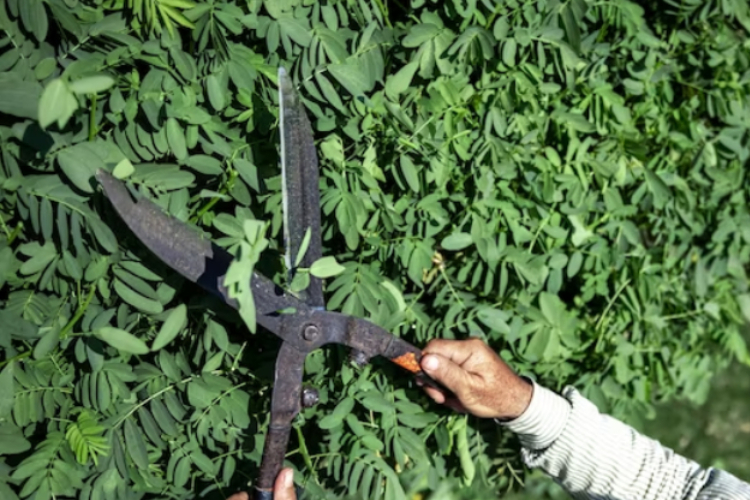
Tips For Pruning Your Trees Properly
- Make sure you have the proper tools. Pruning shears, hedge trimmers, a ladder, and a safety harness are must-haves.
- Learn which branches to prune. Cut only those branches that are weak, diseased, dead, or are interfering with your walkways or structures.
- Cut slowly and deliberately. Make small, tight cuts close to the trunk or branch collar using pruning shears or hedge trimmers.
- Ensure proper shaping. Prune your trees to keep them in a vase-like shape, removing branches in a manner that will allow for even light exposure on all sides.
- Stay safe. Wear protective goggles, gloves, and clothing, and be sure to secure yourself on a ladder or harness when needed. Keep yourself and those working with you aware and alert.
- Clean up after yourself. Dispose of unwanted limbs and branches in a quick and safe manner.
The Benefits Of Pruning Your Trees
Pruning offers numerous benefits, such as promoting tree health by removing diseased or dead branches and encouraging new growth. It also enhances safety by reducing the risk of falling branches. A well-pruned tree improves aesthetics, increasing the value of your property and beautifying your landscape. Moreover, pruning can boost fruit production in fruit-bearing trees and reduce wind resistance in storm-prone areas. Knowing the advantages of tree pruning reinforces its importance in overall tree care.
When To Prune Your Trees: A Yearly Timeline
Timing is critical in tree pruning. Different tree species and purposes require specific pruning schedules. Pruning during the dormant season, usually late fall or winter, is generally recommended for most trees, as it minimizes stress and the risk of disease transmission. However, some exceptions exist, like spring-flowering trees that should be pruned right after they bloom. Understanding the yearly timeline for pruning ensures that you maximize the benefits and minimize potential harm to your trees.
Expert Advice: How To Make Pruning Your Trees Easier?
Pruning can be a challenging task, but with the right guidance, it becomes more manageable. Arborists recommend setting clear objectives before starting, prioritizing safety with proper equipment, and following the 1/3 rule, which limits the removal of branches to one-third of the tree’s canopy. Learning how to make pruning easier not only safeguards your trees but also simplifies the process for those who choose to undertake the task themselves.
Common Tree Pruning Mistakes To Avoid
Avoiding regular pruning as sometimes it is necessary to keep your trees healthy and structured.To ensure quality tree pruning, it’s crucial to be aware of common mistakes. Over-pruning, cutting too close to the trunk, or leaving jagged cuts can compromise tree health. Neglecting to sterilize tools between cuts can spread disease, and improper timing can cause stress. Identifying and avoiding these mistakes is essential for maintaining your trees’ vitality.
Pruning Your Trees For Maximum Health And Longevity
Pruning with the long-term health and longevity of your trees in mind is a critical aspect of quality tree care. Proper techniques can help improve structural integrity, prevent disease, and promote healthy growth. Understanding the specific needs of your tree species, including its growth habits and vulnerabilities, empowers you to make informed decisions that will benefit your trees for years to come.
Think Twice Before Attempting Do-It-Yourself Tree Pruning
While DIY projects can be satisfying, tree pruning is not a task to be taken lightly. The risks of personal injury, improper pruning, and potential harm to your trees are substantial. The knowledge and experience that professionals bring to the job are invaluable. Before attempting tree pruning yourself, carefully consider the risks and benefits, and remember that your trees’ well-being is at stake.
Conclusion
Ensuring that you receive quality tree pruning service is crucial for maintaining the health, aesthetics, and safety of your trees. Whether you choose to hire professional arborists or embark on pruning tasks yourself, understanding the principles of proper pruning, its timing, and the potential pitfalls to avoid is essential. Pruning is an investment in the long-term well-being of your trees and your property’s value. By following the guidance provided in this comprehensive guide, you can make informed decisions to promote the vitality and longevity of your beloved trees.