
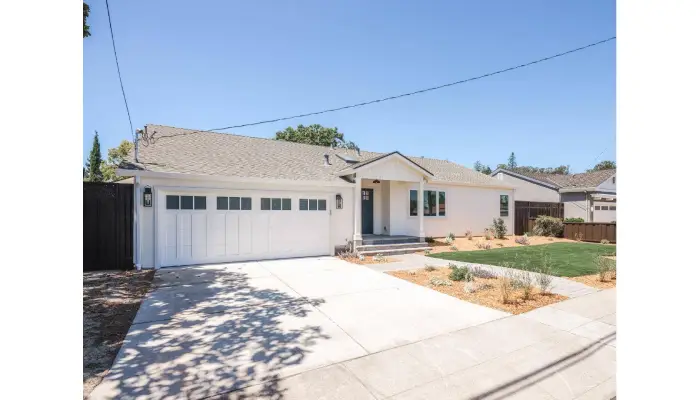
Palm Park in Redwood City is experiencing a unique shift in its real estate market. As of May 2025, the median sale price for homes is around $1.4 million, a notable decrease of 21.5% from last year, while sales volume has also dipped by 25%. The neighborhood maintains an appealing charm, offering a blend of single-family and multi-family housing that attracts families and young professionals alike. With amenities like the Sequoia YMCA and local parks enhancing community life, Palm Park features good walkability scores too. Despite some flooding risk concerns, its future looks bright as demand for housing continues to evolve.
1. Overview of the Palm Park Housing Market
As of May 2025, the Palm Park in Redwood City housing market presents a complex picture. The median sale price for homes is currently around $1.4 million, which marks a significant decrease of 21.5% from the previous year. Meanwhile, the median sale price per square foot has dropped to $575, reflecting a staggering decline of 57.2%. This decline is echoed in the sales trends, where only 6 homes were sold in May, a decrease of 25% compared to the same month last year. However, homes are selling faster, with an average of 27 days on the market, down from 62 days the previous year. Despite these price drops, the market remains very competitive, with a Redfin Compete Score of 72 out of 100. Homes typically sell for about 3% above their list price, indicating that demand is still present. Interestingly, this shift has attracted more first-time homebuyers, drawn by more affordable pricing. Investors are also taking notice, seeing potential rental opportunities as the market stabilizes. Overall, while the current market conditions suggest a cautious approach, there is a sense of optimism that home prices may gradually recover as demand increases.
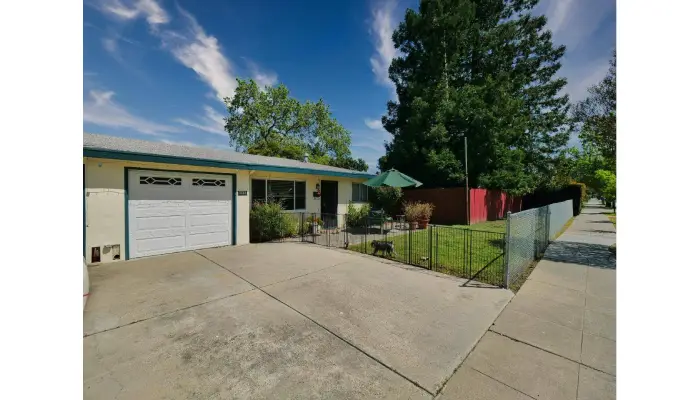
2. Key Demographics of Palm Park
Palm Park is home to upper-middle-income residents, creating a community atmosphere that is both vibrant and inviting. The neighborhood boasts a balanced mix of single-family homes and multi-family housing, accommodating various lifestyles and needs. Families with children are a significant part of the population, contributing to a family-friendly vibe that many find appealing. Additionally, young professionals are increasingly drawn to the area, attracted by its dynamic environment and amenities. Retirees also enjoy the community feel, finding a comfortable place to settle down. This diversity enriches the neighborhood, blending different cultures and backgrounds. The educational attainment levels of residents are notably high, fostering a well-informed community, which is further supported by the presence of well-regarded local schools that attract families seeking quality education. Residents actively participate in community events and initiatives, reflecting a strong sense of involvement and pride. The neighborhood’s history adds character, merging tradition with modernity, making Palm Park a unique place to live.
- Upper-middle-income residents contribute to the overall community profile.
- A balanced mix of single-family and multi-family housing options caters to diverse needs.
- Families with children make up a significant portion of the community, fostering a family-friendly environment.
- A growing number of young professionals are being attracted to the area.
- Retirees find Palm Park appealing due to its amenities and community feel.
- The population diversity enhances the neighborhood’s cultural richness.
- High educational attainment levels among residents support a well-informed community.
- Local schools are well-regarded, attracting families looking for quality education.
3. Community Amenities and Services
Palm Park is a vibrant neighborhood, offering a range of community amenities and services that enhance daily life for its residents. The presence of a Safeway supermarket makes grocery shopping convenient, catering to essential needs. Dining options are diverse, with casual eateries and more upscale restaurants, which contribute to the neighborhood’s lively atmosphere. The Sequoia YMCA serves as a cornerstone for recreation, with plans to relocate to a new facility, further expanding its services for families and individuals. Several small parks are scattered throughout Palm Park, providing green spaces for relaxation and recreational activities.
Community events are regularly organized in local parks, creating opportunities for neighbors to connect and foster friendships. Accessibility is a strong suit of Palm Park, as many shops and services are within walking distance, making it easy for residents to run errands or enjoy a meal out. Public libraries and community centers are also available, offering additional resources for education and engagement. Health services, including clinics and wellness programs, ensure that residents have access to necessary care.
Supporting local agriculture, the neighborhood hosts farmer’s markets that bring together fresh produce and foster a sense of community spirit. With expanding public transportation options, commuting to nearby areas is becoming increasingly convenient, making Palm Park an attractive choice for both current residents and potential homebuyers.
4. Transportation and Accessibility in Palm Park
Palm Park boasts an impressive walkability score of 78 out of 100, making it easy for residents to get around on foot. This is complemented by a bike-friendly score of 68, encouraging sustainable commuting options. Major roads like Woodside Road and El Camino Real provide straightforward access to nearby areas, while public transportation options, including bus routes, connect residents to major transit hubs. The neighborhood is well-connected to major highways, simplifying travel to both San Francisco and Silicon Valley. Safety is a priority, with pedestrian pathways designed for all ages, enhancing accessibility for families and seniors alike. Traffic congestion remains manageable, making daily commutes less stressful, and parking availability is generally good for both residents and visitors. Looking ahead, future infrastructure developments are planned to further improve accessibility, and the community actively advocates for ongoing transportation enhancements to meet the growing demands of its residents.
5. Environmental Risks in the Neighborhood
Palm Park faces some notable environmental challenges that potential homeowners should understand. About 15% of properties in the area are at risk of severe flooding within the next 30 years, which raises concerns for current and future residents. Additionally, the neighborhood has a moderate heat risk, a situation that can affect property values and livability as temperatures rise. To address these issues, local government initiatives are underway, including flood mitigation strategies aimed at reducing the impact of potential flooding on properties. Community programs also promote environmental sustainability, encouraging residents to engage in eco-friendly practices that contribute to a healthier environment.
Tree canopies and green spaces are actively maintained to improve air quality and help mitigate heat effects. Regular environmental assessments are conducted to monitor risks, keeping the community informed. Residents participate in discussions about climate resilience, showing a strong interest in safeguarding their homes and neighborhood. Awareness campaigns are being developed to educate residents about potential hazards, ensuring that everyone is prepared. Future developments in Palm Park will need to comply with environmental regulations designed to protect the area, reflecting the community’s commitment to sustainable living.
6. Future Real Estate Trends in Palm Park
The future of real estate in Palm Park looks promising, with several key trends shaping the market. First, a noticeable shift towards multi-family housing is emerging, reflecting a broader urban development trend that prioritizes diverse housing options. This change is being driven by an increased demand for affordable housing, prompting local zoning laws to adapt and facilitate these developments. As home prices adjust, homeownership rates may stabilize, potentially attracting new buyers who have been priced out of the market.
Additionally, investments in community infrastructure, such as parks and public facilities, are expected to enhance property values over time. The area is likely to see a mix of modern developments alongside its historic homes, creating a unique blend that appeals to various residents. Sustainability will also be a focal point in future projects, aligning with the community’s values and the increasing awareness of environmental concerns.
Moreover, the growing tech industries in nearby areas are anticipated to draw more residents to Palm Park, increasing demand for housing. Real estate agents are optimistic about a gradual recovery in the market as economic conditions improve, and community feedback will play a crucial role in guiding future developments to ensure they meet the needs of current residents. Overall, Palm Park is well-positioned to emerge as a desirable location within the Bay Area real estate landscape.
Frequently Asked Questions
1. What makes Palm Park in Redwood City appealing to new residents?
Palm Park offers a family-friendly atmosphere, green spaces, and a tight-knit community vibe, which attracts many people looking for a place to settle down.
2. What types of homes can you find in Palm Park?
In Palm Park, you can find a mix of single-family homes, townhouses, and some apartments, catering to different needs and lifestyles.
3. Are there good schools in the Palm Park area?
Yes, Palm Park is served by several highly-rated schools, making it a great choice for families with children.
4. What kind of community activities are available in Palm Park?
Palm Park hosts various community events throughout the year, including festivals, farmers markets, and recreational activities, which encourage neighborly interaction.
5. How is the transportation in Palm Park for commuting?
Palm Park has good access to public transportation options and major highways, making it convenient for residents commuting to nearby cities.
TL;DR Palm Park in Redwood City is becoming an attractive neighborhood for homebuyers, highlighting a median home sale price of $1.4 million, although down 21.5% from last year. The community features a mix of single-family and multi-family homes, appealing to a diverse population. Amenities include shops, parks, and the Sequoia YMCA, enhancing the community experience. The neighborhood boasts high walkability and good transportation access, though environmental risks like flooding and heat are noted. Future trends suggest an increasing demand for multi-family housing, positioning Palm Park as an emerging real estate hotspot.