
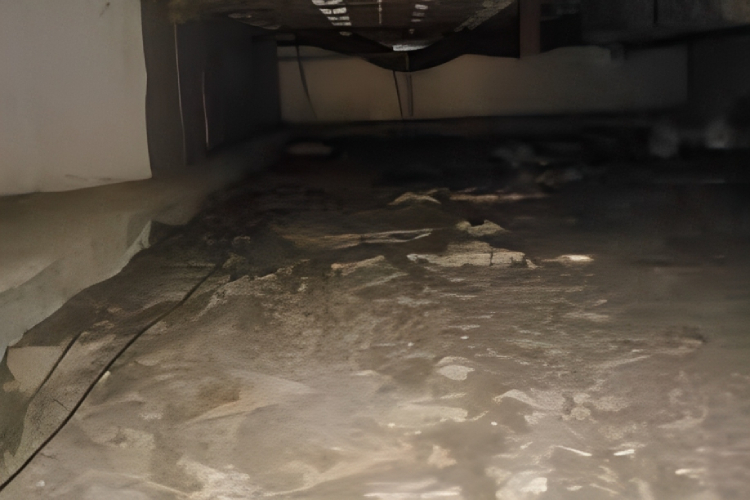
Humidity is an important environmental factor that affects the comfort of our homes and has a direct role on many of the conditions of the home. In many cases, controlling the humidity in our crawl space below our homes is important, as it plays a critical role in the health, comfort, and longevity of the home. One of the most effective ways to control the humidity in a crawl space is to use a vapor barrier. A vapor barrier is a sheet of polyethylene that covers the walls and floor of the crawl space, preventing moisture from entering the area. The primary goal of a vapor barrier is to reduce the humidity levels by blocking the transmission of water vapor from the soil into the crawl space. Understanding humidity and its role in your crawl space vapor barrier is important for ensuring a safe and comfortable environment in the home.
The Benefits of Installing a Crawl Space Vapor Barrier
Installing a crawl space vapor barrier is an important step in helping ensure the health and safety of your home. Crawl space vapor barrier, or encapsulation, lessen the amount of moisture in the crawl space that can damage the insulation and structure of the home. Crawl space encapsulation is a proven method of controlling and reducing moisture which can, in turn, reduce indoor air pollution, lower utility bills, reduce the risk of mold growth, limit seasonal allergies, and prevent wood-damaging pests from entering the home. Vapor barriers are a great way to protect your home from the damaging effects of moisture and can also help make the air in your home cleaner and healthier. 
How to Measure Humidity Levels in Your Crawl Space?
Measuring the humidity levels in your crawl space is a necessary part of managing moisture levels. Moisture levels can be measured using an electronic hygrometer which can provide an immediate moisture level reading. Hygrometers measure air temperature and relative humidity in one device. To get an accurate reading, place the hygrometer at least three feet away from any exterior walls, and if you would like to measure the humidity in the soil, take at least a three-inch soil sample at least two feet deep and measure with a soil thermometer.
Humidity Control Strategies for Crawl Spaces
The easiest way to ensure less moisture buildup in crawl spaces is to properly seal the space to prevent water infiltration. This may include sealing windows, doors, cracks, and gaps. Next, use a vapor barrier to encapsulate the area, as it will help reduce the amount of moisture in the air. Finally, ventilation is key. Make sure to install an adequate number of vents to properly ventilate the space and reduce the humidity levels.
Can a Crawl Space Vapor Barrier be Reused?
Yes, in most cases a crawl space vapor barrier can be reused. Depending on the specific product chosen, the vapor barrier can be removed and reused for the same purpose it originally served. Most vapor barriers on the market are designed to be reusable and depending on conditions moisture should not affect performance. Reusing a vapor barrier is a great way to save money and keep the environment clean.
How to Properly Ventilate a Crawl Space?
Proper ventilation of a crawl space is key to controlling moisture within the space. In order to achieve proper ventilation for a standard crawl space, you should install two air vents. The vents should be placed on opposite walls of the crawl space to ensure proper flow of air. In addition to having air vents installed, you should also consider installing a humidity controller such as a dehumidifier. This will help control the humidity levels within the crawl space and also make sure to not have too much airflow into the area.
When Should a Crawl Space Vapor Barrier be Replaced?
The life-span of the barrier depends on the type of product used. Most vapor barriers can generally last one to two years before needing to be replaced. However, if there is any noticeable damage such as tears or holes, the barrier should be replaced as soon as possible. Additionally, if the area is prone to flooding, it’s important to replace the vapor barrier as soon as possible after the flooding event as water can degrade the barrier and cause it to fail.
The Connection Between Humidity and Mold Growth in Crawl Spaces
Humidity in crawl spaces is not only a nuisance, but when levels are too high, it can lead to unhealthy mold growth. The ideal humidity level should be between 40-60%. If levels are higher, it can contribute to an environment that supports mold growth. In order to prevent mold in crawl spaces, it is important to maintain the proper humidity level by ensuring that the space is properly ventilated and that any leaks or pools of water are promptly dealt with. A vapor barrier can also help prevent the growth of mold by blocking moisture infiltration from the exterior of the home.
Conclusion
The importance of understanding humidity and its role in crawl space vapor barrier cannot be understated. A properly functioning and installed vapor barrier can drastically alter the air quality of a home. It can also reduce the potential for structural damage caused by excessive moisture, leading to substantial savings in money and time. Therefore, it is advised that all homeowners take the time to install a vapor barrier correctly, as well as regularly monitor the moisture levels in the crawl space and take appropriate action if necessary.