
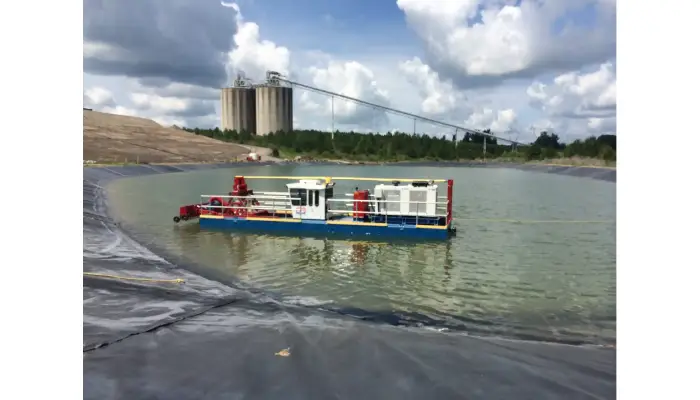
Before buying a remote controlled dredge, it’s important to weigh several factors to avoid surprises later. First, check the company’s reputation and make sure they have solid industry experience and support. The factory location matters too since closer proximity to transportation hubs can lower shipping costs and delays. Think about the dredge size and type you need; compact models work best in tight or shallow areas, but capacity has to meet your project demands. Also consider control features like wireless operation and GPS for safety and ease of use. Don’t forget durability: corrosion resistance is key for long-lasting performance in various water conditions. Finally, factor in total cost including accessories, maintenance, and whether renting might be a better option if you don’t dredge often.
Company Reputation and Financial Stability
When investing in a remote controlled dredge, choosing a company with a solid reputation and proven financial stability is critical. A long-standing presence in the dredging industry usually means the manufacturer has reliable product quality and dependable customer support. Before committing, review customer testimonials and case studies to see if the company has a history of completing projects successfully and meeting delivery schedules. Certifications and industry affiliations also signal that the company adheres to recognized standards and maintains credibility. It’s important to check warranty terms and the availability of spare parts to ensure your dredge can operate smoothly over time. Additionally, a company that offers training programs for operators and maintenance teams demonstrates a commitment to long-term customer success. Consider how responsive their after-sales service is, especially regarding technical support and troubleshooting. Companies with a global presence or local representatives can provide easier communication and faster assistance, reducing downtime. Lastly, researching how the company manages product upgrades and technology improvements can help you stay current with evolving operational needs.
- Choose a company with a long-standing presence in the dredging industry to ensure reliable support and product quality.
- Check for consistent financial performance to avoid risks of sudden business closure or delayed deliveries.
- Review customer testimonials and case studies that demonstrate successful project completions.
- Verify certifications and industry affiliations that prove credibility and adherence to standards.
- Assess the company’s after-sales service network and responsiveness to technical inquiries.
- Look into warranty terms and the availability of spare parts for sustained operation.
- Consider companies that offer training programs for operators and maintenance staff.
- Evaluate past delivery timelines and how well the company meets promised schedules.
- Research how the company handles product upgrades and technology improvements.
- Confirm the company’s global presence or local representation for easier communication and support.
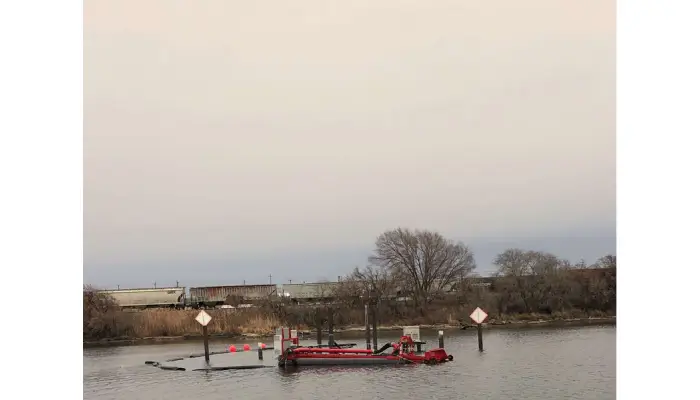
Factory Location and Shipping Costs
When buying a remote-controlled dredge, the factory location plays a crucial role in overall expenses and delivery timing. Manufacturers situated near major ports or airports often help reduce freight charges and avoid lengthy transit delays. However, it’s important to calculate the full shipping cost, which includes customs fees, taxes, and inland transportation to your project site. Long-distance shipping raises the risk of damage or loss, so ask the supplier how they protect the equipment during transit and whether they offer shipping insurance. Lead times can also vary depending on the factory’s geographic location and local production capacity, so factor that into your project schedule. Some suppliers may provide local customization options, which can prevent the need to ship bulky accessories separately, saving time and money. Comparing domestic and international suppliers is wise, as cost differences can be significant once shipping and handling are included. Additionally, check if the manufacturer has local agents or distributors who can assist with logistics and after-sales support. Seasonal weather conditions affecting shipping schedules should not be overlooked, especially if your delivery window is tight. Finally, confirm that the packaging is robust enough to withstand rough handling during transit, reducing the chance of damage upon arrival.
Choosing the Right Dredge Type and Size
Selecting the appropriate dredge type and size is crucial for the success of any dredging project. Start by matching the dredge size to the volume of sediment you need to remove and how often dredging will occur. For instance, a smaller, compact dredge is ideal for shallow or narrow waterways requiring frequent, light sediment removal, while larger units suit deeper areas with heavy sediment loads. Consider the water conditions carefully: shallow or confined sites demand compact designs with reduced draft, while deeper or wider channels allow for bigger machines. The type of sediment matters too; fine sand, coarse gravel, or contaminated material each require specific pump and cutter setups to ensure efficient operation and prevent damage. Make sure the dredge’s pumping capacity meets or exceeds your maximum expected workload to avoid delays. Operational depth range should align with your site’s characteristics, as some dredges can handle only limited depths. Modular designs offer flexibility, allowing you to scale up or add components as project demands grow. Also, check the power needs and confirm they’re compatible with onsite energy sources, whether electric or diesel. A good dredge balances productivity and maneuverability, handling abrasive or corrosive sediments without frequent breakdowns. For example, a project involving mining tailings with acidic content will need corrosion-resistant materials and specialized pumps. Paying attention to these factors will help you pick a dredge that fits your specific site, sediment, and workload requirements.
Remote Control and Automation Features
When buying a remote-controlled dredge, the quality and capabilities of its remote control and automation features are crucial. Look for wireless remotes that provide a strong, reliable signal with good resistance to interference, especially if you’re working in industrial or mining sites where radio noise can be an issue. An intuitive control interface with clear displays helps operators easily manage pump speed, dredge movement, and attachments without confusion or errors. Advanced systems often include GPS integration, allowing precise tracking of the dredge’s location and automated path planning to improve efficiency and coverage. Sensors like hydrometers and turbidity meters offer real-time environmental data, letting you monitor the impact of dredging on water quality. Voltage and pump performance monitoring can alert you to potential mechanical problems before they become serious, reducing the risk of costly breakdowns. Features such as remote tilt control of the pump make it easy to adjust angles on the fly, improving dredging precision without needing manual intervention. Software automation can take this further by scheduling operations or maintaining consistent dredging depth and speed, saving time and labor. Remote diagnostics and troubleshooting support from the manufacturer can significantly cut downtime by resolving issues quickly without on-site visits. Security is another important consideration: encrypted communication protocols help prevent unauthorized access and protect your equipment. Finally, consider how easy it is to integrate new automation modules or receive software updates over time, ensuring your dredge stays current with the latest technology and capabilities.
Design, Mobility, and Ease of Transport
When selecting a remote controlled dredge, the design should prioritize compactness and lightweight construction to reduce draft, enabling access to shallow waters and tight spaces where larger equipment cannot operate. Electric propulsion systems are increasingly popular because they provide quieter operation and produce fewer emissions compared to traditional diesel engines, which can be important in environmentally sensitive areas. Look for modular designs with components that can be quickly assembled and disassembled; this flexibility makes moving the dredge between multiple sites much easier and cuts down on downtime. Some dredges are even built to fit inside standard shipping containers, simplifying international transport and reducing logistical headaches. It’s important to consider the dredge’s footprint and weight relative to your available transport vehicles and cranes to avoid compatibility issues. Mobility features like adjustable pontoons or tracks improve stability and allow the dredge to adapt to different terrains and water conditions. Quick-release connections for hoses and cables can speed up setup and teardown, saving valuable project time. Integrated storage for tools and accessories on the dredge itself helps keep work organized and efficient. Also, check if the design allows easy access to critical parts for routine maintenance. Lastly, corrosion-resistant coatings and finishes preserve the dredge’s function and appearance during frequent moves, especially in harsh environments. These design and mobility factors together impact not only the dredge’s operational flexibility but also the efficiency and cost-effectiveness of your dredging projects.
Durability and Material Quality
When selecting a remote-controlled dredge, durability and material quality should be top priorities. Critical parts made from stainless steel help resist corrosion in both freshwater and saltwater environments, ensuring the dredge lasts longer without costly repairs. Anti-corrosive coatings on exposed metal surfaces provide an additional layer of protection against harsh conditions. For components like pump impellers and liners that face constant abrasion from sediment, abrasion-resistant materials are necessary to extend service life. Inspecting weld quality and structural reinforcements is important to confirm the dredge can handle operational stresses without failure. Consider how the dredge tolerates temperature extremes during use and transport, as materials can weaken or warp if not designed for such conditions. Durable seals and bearings are key for minimizing downtime, so check their quality and how easily they can be replaced. It’s also wise to review manufacturer testing protocols that simulate real-world wear and tear to ensure reliability. Material compatibility with any chemical contaminants at your dredging site must be verified to avoid unexpected corrosion or damage. Electrical components should have proper waterproofing and corrosion protection for safe, uninterrupted operation. Lastly, plan for regular maintenance to preserve material integrity and catch wear early, which helps avoid unscheduled repairs and keeps the dredge running smoothly.
Included Equipment and Customization Options
When buying a remote controlled dredge, it’s important to verify what accessories come standard with the unit, such as hoses, pipes, and connection fittings. These basic components ensure you can start working immediately without needing extra purchases. Also, check if the supplier includes toolkits and spare parts kits or offers them as part of a package, which can save time and money in the long run. Optional equipment like jet ring systems are worth considering since they improve the efficiency of sediment loosening, especially in compact or dense materials. For projects involving night operations, security cameras and position lights are valuable additions that enhance visibility and safety. Customization options often include specialized pumps, cutter heads, or tailored control software, allowing you to adapt the dredge to your specific site conditions. It’s also wise to determine if the dredge supports integration with third-party monitoring or automation tools, which can expand operational control and data tracking. Keep in mind that custom features usually come with higher costs and longer lead times compared to standard models. Operator comfort shouldn’t be overlooked either: ergonomic remote units and intuitive controls can reduce fatigue and improve precision. Some suppliers offer tailored solutions to fit particular project requirements or environmental challenges, so ask about those if you have unique needs. Lastly, make sure the included equipment matches your project’s scale to avoid unexpected extra purchases later on, ensuring the dredge is ready to perform right out of the box.
Safety Features and Remote Operation Benefits
Remote-controlled dredges offer a significant safety advantage by removing the need for personnel to be physically present on the dredge platform, which greatly reduces the risk of injury. Operators can control the equipment from a safe distance, away from hazardous environments such as corrosive or toxic dredging sites. Built-in emergency stop functions that are accessible remotely allow for immediate response to unexpected dangers, helping to prevent accidents before they escalate. Security cameras mounted on the dredge provide live video feeds, giving operators continuous visual oversight of both the equipment and its surroundings, improving situational awareness and safety. Position lights enhance visibility during low-light or nighttime operations, reducing the chance of collisions with other vessels or obstacles. Wireless remote systems also protect operators from exposure to harmful substances often encountered in dredging operations. Regular software updates are essential to keep these safety features current, addressing new risks and ensuring the system operates reliably. Remote monitoring capabilities track the dredge’s system health and alert operators to potential mechanical issues before failures occur, supporting preventative maintenance and reducing downtime. Access controls restrict operation to authorized personnel only, preventing unauthorized use that could lead to unsafe situations. In addition to electronic safeguards, well-designed dredges minimize mechanical hazards by reducing pinch points and shielding moving parts, lowering the chance of injuries during handling or maintenance. Comprehensive safety manuals and training materials should accompany the dredge to guide operators on safe handling and emergency procedures, ensuring everyone involved understands how to maintain a secure working environment.
Cost Considerations and Budget Planning
Before buying a remote controlled dredge, it’s important to look beyond the initial price tag and calculate the total cost of ownership. This includes the purchase price, shipping fees, installation, and any necessary accessories like hoses or remote control systems. Operating costs such as fuel or electricity usage, routine maintenance, and spare parts should also be factored in, as they can add up over the dredge’s lifespan. Unexpected expenses often arise, whether from repairs or software updates, so setting aside a contingency budget helps avoid surprises. Comparing prices from multiple manufacturers is useful, but quality and included features should weigh heavily in your decision. Low-cost options might seem attractive but often lack durability and support, leading to higher expenses down the road. If upfront capital is tight, exploring financing or leasing plans can ease cash flow without compromising equipment quality. Don’t forget to budget for training operators and maintenance staff to make sure the dredge runs efficiently and safely. Costs related to permits, environmental compliance, and site preparation can be significant, so include these in your planning. Finally, consider the dredge’s potential resale value or trade-in offers to recover some investment later. Evaluate the return on investment by estimating productivity improvements and labor savings gained from remote operation, which can justify higher upfront costs over time.
Renting Versus Buying a Dredge
Renting a remote controlled dredge can be a smart choice for short-term or occasional projects. It avoids the upfront costs and ongoing responsibilities that come with ownership, such as storage, insurance, and maintenance. Rental agreements often include support services and access to the latest equipment, allowing you to adapt to different project needs without a large capital investment. For example, if you face varying sediment types or site conditions, renting lets you switch dredge models as required. However, consider the availability of rental units, especially during peak seasons when demand is high, which could lead to downtime risks. On the other hand, buying a dredge makes sense if you have frequent, long-term projects that justify the expense. Ownership allows for customization to meet specific operational requirements and offers tax benefits through asset depreciation. But keep in mind that owning a dredge means managing staffing, training, maintenance, and regulatory compliance on your own. Ultimately, the decision depends on your project frequency, budget flexibility, and willingness to handle the responsibilities that come with owning specialized equipment.
Maintenance, Serviceability, and Support
When buying a remote controlled dredge, prioritize models with parts that are easy to access and replace to cut down on repair time and minimize downtime. Look for manufacturers that offer detailed service manuals and clear maintenance instructions, which make routine upkeep like lubrication, filter changes, and pump cleaning straightforward. Remote monitoring systems are a big plus, they track equipment performance and can spot issues early, enabling predictive maintenance before problems escalate. Check if the manufacturer supplies genuine spare parts to avoid compatibility headaches and extended outages. Also, find out if they provide remote diagnostic support, which can help troubleshoot problems quickly without waiting for on-site visits. A simple control system reduces the need for specialized technicians, saving costs and hassle. Make sure the dredge design includes modular components so you can swap out parts quickly when needed. Don’t overlook warranty terms and what service support is included, such as scheduled inspections or emergency repairs. Lastly, consider the manufacturer’s reputation for after-sales service and how responsive their support network is, since this will impact how smoothly your operations run over time.
Application Suitability for Your Project
Before buying a remote controlled dredge, make sure its size and pumping capacity fit the volume and type of sediment you need to move. For example, if your project involves thick, abrasive materials or contaminated sediments, verify the dredge can handle those conditions without excessive wear or environmental risk. Also, consider the remote control system’s reliability in your operational environment, industrial sites with hazardous substances may require more robust wireless controls and safety features. Mobility matters too: check if the dredge’s draft and size allow it to work in tight, shallow, or narrow waterways where larger equipment can’t go. The materials used in the dredge should suit the water type, whether freshwater or saltwater, to avoid corrosion and extend service life. Consider the specific tasks you need the dredge for, whether environmental cleanup, mining, or aquatic plant harvesting, and ensure the machine supports those operations. Extra features like GPS tracking or turbidity meters can improve accuracy and monitoring, which is crucial for precision projects. Also, see if you can customize the dredge with accessories like security cameras or jet ring systems tailored to your needs. The automation software and remote operation capabilities should match your control requirements to keep operations smooth and safe. Finally, think about logistics: how easy is the dredge to transport and assemble on-site? This can affect project timing and flexibility, especially if you need to move equipment frequently or work in remote locations.
Frequently Asked Questions
1. What factors should I check to ensure the remote controlled dredge fits my work site?
You should consider the size of your work area, water depth, and the type of material you need to dredge. Also, check if the dredge’s mobility and control range match the site conditions for smooth operation.
2. How important is the power source type when choosing a remote controlled dredge?
The power source affects operation time, maintenance needs, and environmental impact. Electric models may offer quieter use and less pollution, while fuel-powered ones might provide more power but require more upkeep.
3. What should I look for in the remote control system of a dredge?
Look for user-friendly controls with sufficient range and signal reliability. Features like real-time feedback, emergency stop, and easy calibration can improve safety and efficiency during operation.
4. How can I evaluate the dredge’s durability and maintenance requirements?
Check the build materials and protective coatings to ensure the dredge can withstand harsh environments. Also, consider how easy it is to access parts for cleaning and repairs, plus the availability of replacement components.
5. What safety features are critical in a remote controlled dredge?
Important safety features include emergency shutoff capabilities, stable design to prevent tipping, and sensors or alarms detecting obstructions or malfunctions. These help protect both the operator and the equipment during use.
TL;DR Before buying a remote controlled dredge, consider the manufacturer’s reputation and financial stability to ensure reliable support. Factor in factory location and shipping costs as they impact your overall budget. Choose the right dredge type and size based on your sediment and site conditions. Prioritize remote control features for improved safety and ease of operation, especially in hazardous areas. Look for a durable, corrosion-resistant design that’s mobile and easy to transport. Check what equipment and customization options come with the dredge, and make safety a priority with cameras and lighting. Plan your budget carefully, weighing the pros and cons of buying versus renting. Ensure the dredge suits your intended application and verify maintenance support and serviceability. These steps can help you make a well-informed purchase that balances cost, safety, and performance.
Resource URL: