
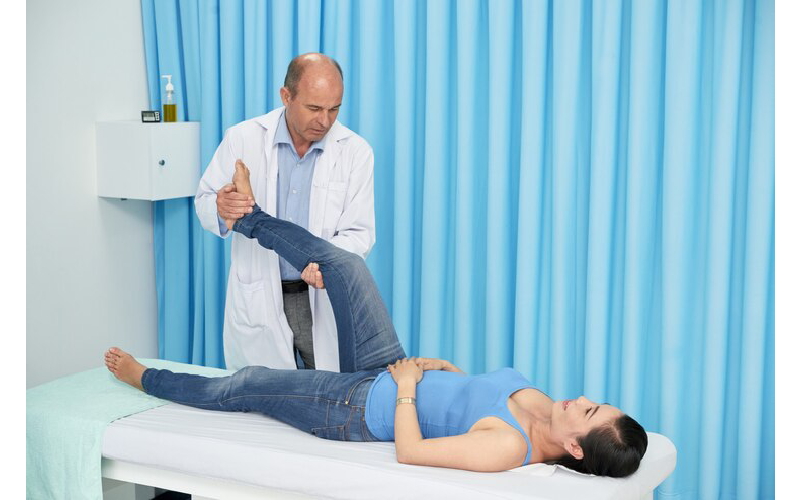
Expecting a hip replacement recovery can bring both hope and uncertainty. Before the surgery, prehabilitation (or prehab) through physical therapy helps set clear goals and identify potential challenges. On the day of surgery, many patients are pleasantly surprised to walk home soon after, thanks to advancements in pain management. Usually, a hospital stay lasts just 1-2 days, with walking encouraged right away using assistive devices. Once at home, physical therapy begins; it’s essential for regaining strength and mobility. While discomfort is normal during recovery, resting with ice can help, most people notice significant improvement within three months. Regular follow-ups are vital to track progress and address concerns as they arise.
1. Understanding Prehabilitation Before Surgery
Prehabilitation, commonly known as prehab, plays a crucial role in preparing for hip replacement recovery surgery. It focuses on enhancing your physical fitness prior to the procedure, which can significantly improve your recovery experience. To get started, it is essential to assess your current fitness level with a healthcare professional, who can help identify strengths and areas for improvement. Setting realistic goals for your prehabilitation programme is vital; these goals should be tailored to your individual needs and capabilities.
Incorporating a balanced mix of strength, flexibility, and cardiovascular exercises into your routine will aid in building a solid foundation for recovery. Simple activities like walking, swimming, or cycling can help boost your cardiovascular health, while targeted strength training can enhance the muscles around your hip joint. Alongside physical preparation, maintaining a balanced diet is equally important. Nutrient-rich foods will provide your body with the energy it needs to heal and support overall well-being.
It is also advisable to avoid smoking and limit alcohol consumption, as these habits can hinder your recovery process. Additionally, learning breathing exercises can be beneficial for relaxation and managing pain, helping to ease any pre-surgery anxiety you may experience. Preparing your home for after surgery is another key step; ensuring that you have easy access to essentials can make the recovery process smoother.
Finally, consider seeking mental health support if anxiety about surgery becomes overwhelming. Open communication with your healthcare team is essential; discussing any concerns or questions you have can provide reassurance and clarity as you approach your surgery date.

2. What Happens on the Day of Surgery?
On the day of your hip replacement surgery, it’s important to arrive at the hospital early for pre-operative preparations. This time allows you to settle in and undergo any necessary assessments. You will meet with your surgical team to confirm the procedure, address any last-minute questions, and put your mind at ease. An intravenous (IV) line will be placed in your arm to provide medication and fluids throughout the surgery.
When it’s time for the operation, you will receive anaesthesia, which can be administered either via a spinal method or general anaesthesia, depending on the specifics of your case. The surgery itself usually lasts a few hours, though this can vary based on the complexity of your situation.
After the procedure, you will be moved to a recovery area where healthcare staff will closely monitor you as you wake up. Pain management protocols will be initiated shortly after you regain consciousness, ensuring your comfort as you begin the healing process. Staff members will assist you in moving as soon as you are stable, promoting early mobility, which is crucial for recovery.
Family members are typically allowed to visit during your recovery period, providing much-needed support. Before you leave the hospital, a discharge plan will be discussed, outlining what to expect during your recovery at home.
3. Duration of Hospital Stay After Surgery
Most patients typically stay in the hospital for 1 to 2 days following hip replacement surgery. During this time, healthcare professionals will closely monitor vital signs and the incision site to ensure everything is healing properly. Physical therapy often begins as early as the first day, encouraging patients to start moving and walking with assistance, such as a walker or crutches. It is quite common for patients to need help with basic activities like walking and dressing during their initial days post-surgery.
Before discharge, certain criteria must be met, including stable vital signs and the ability to perform basic movements. It’s advisable to organise home care arrangements ahead of time to ensure a smooth transition back home. Patients should also discuss any necessary medications for pain management before leaving the hospital. Follow-up appointments will be scheduled to monitor progress, and educational materials on post-operative care will be provided to assist in the recovery process. While most patients follow the typical timeline, some may require a longer stay based on individual recovery needs.
4. Essential Post-Operative Care Guidelines
Keeping the surgical site clean and dry is crucial, so always follow your healthcare team’s specific instructions. Check for any signs of infection, such as redness or swelling, and report these promptly. Managing pain effectively is important, so take prescribed medications as directed; this helps prevent complications and ensures a smoother recovery. Gentle exercises, as recommended by your healthcare team, are vital for regaining strength and mobility. Using assistive devices like crutches or walkers can enhance safety as you move around your home. Nutrition also plays a significant role in recovery, so adhere to dietary guidelines and stay well-hydrated. Do not miss follow-up appointments to track your recovery progress, as these are opportunities to discuss any concerns. In the early stages of recovery, avoid high-impact activities that could stress your new joint. Keep a record of any unusual symptoms or concerns to discuss with your doctor, and educate yourself on the signs of complications to act quickly if needed.
- Keep the surgical site clean and dry, following specific instructions.
- Monitor for any signs of infection, such as redness or swelling.
- Take prescribed medications as directed to manage pain and prevent complications.
- Engage in gentle exercises as recommended by your healthcare team.
- Use assistive devices like crutches or walkers as needed for safety.
- Follow dietary guidelines to support healing, including hydration.
- Attend all follow-up appointments to track recovery progress.
- Avoid high-impact activities during initial recovery phases.
- Record any unusual symptoms or concerns for discussion with your doctor.
- Educate yourself on the signs of complications to act promptly.
5. Steps for Home Recovery After Surgery
Preparing your home before returning from surgery is crucial. Ensure that your living space accommodates any mobility restrictions you may have. Clear pathways of obstacles and consider rearranging furniture to facilitate easier movement. It’s advisable to have someone available to assist you during the initial days at home, as you may require help with daily activities like bathing and meal preparation. Following your prescribed physical therapy exercises consistently is essential, as these movements are designed to strengthen your hip and improve your mobility. Gradually increasing your activity level as advised by your therapist will aid your recovery and help you regain confidence in your movement.
At home, managing swelling and discomfort is important, so keep ice packs handy to apply to your hip when needed. To minimise unnecessary movement, keep essential items like your phone, water, and medications within easy reach. Setting up a comfortable resting area with necessary supplies will help you relax and recover. Maintaining hydration and a balanced diet during this time is vital, as proper nutrition supports healing. Consider keeping a journal to track your progress and any symptoms, which can be helpful for discussions with your healthcare provider. Finally, schedule regular check-ins with your healthcare provider to monitor your recovery and address any concerns.
6. Importance of Physical Therapy in Recovery
Physical therapy plays a crucial role in the recovery journey following hip replacement surgery. It typically begins early, often within days post-surgery, to encourage healing and prevent complications. The focus during these sessions is on restoring the range of motion and building strength in the hip joint. Therapists design personalised programmes that may include exercises, stretches, and manual therapy techniques to help you regain mobility.
As you progress through your recovery, your therapist will monitor your improvements and adjust your treatment plan accordingly. This adaptive approach ensures that the therapy remains effective and tailored to your specific needs. Education is also a key component, as therapists provide guidance on safe movement and proper posture to protect your new hip joint.
In addition to in-clinic sessions, your therapist may incorporate various modalities, such as ultrasound or electrical stimulation, to further enhance your recovery. Consistency is vital; attending therapy sessions regularly maximises your recovery outcomes. To complement these visits, you will likely have a set of home exercises to perform, reinforcing the gains made during therapy.
Moreover, the support and motivation from your therapists can significantly boost your morale. They will track your progress carefully, helping you set achievable goals for the future. By engaging actively in your physical therapy, you will be taking important steps towards regaining your independence and returning to the activities you enjoy.
7. Timeline for Resuming Normal Activities
After a hip replacement, the timeline for resuming normal activities can vary based on the type of job and individual recovery speed. Most people can expect to return to light activities within a few weeks post-surgery. If your work involves sitting at a desk, you may be able to resume as soon as you feel comfortable, often within days of your procedure. For those with more physically demanding jobs, the recovery period might extend to 6-12 weeks, as your body needs time to heal properly before engaging in strenuous tasks.
In the early stages of recovery, low-impact activities, such as walking or cycling on a stationary bike, are typically encouraged soon after surgery. These activities help maintain mobility without putting too much stress on the new joint. As you progress, a gradual return to higher-impact activities is usually advised after about 6-8 weeks. However, it’s crucial to listen to your body during this process. If you experience any pain or discomfort, it’s wise to scale back and consult with your healthcare provider.
Adaptive equipment can be beneficial during your transition back to daily life, especially if you find certain movements challenging. Regular communication with your healthcare team regarding your activity levels will ensure that you are on the right path. Setting realistic goals for your hobbies and sports can also help maintain motivation as you recover, allowing you to focus on gradual improvements rather than rushing back to pre-surgery levels.
8. Managing Pain and Swelling Effectively
Pain is a common experience following hip replacement surgery, and managing it effectively is vital to ensure a smooth recovery. It is important to adhere to the medication schedule prescribed by your doctor, as consistent use can help keep pain levels in check. In addition to medication, using ice packs on the surgical area can significantly reduce both swelling and discomfort.
Resting and elevating your affected leg is also beneficial; this position can help alleviate pressure and promote healing. If the prescribed medications do not adequately control your pain, over-the-counter pain relief options may be considered. Engaging in gentle movements is encouraged to enhance blood flow, but be cautious to avoid straining the operated area.
It is essential to monitor any changes in your pain levels and communicate any concerns to your healthcare provider. Activities that might worsen swelling, such as standing for extended periods, should be avoided. Staying hydrated plays a crucial role in your overall recovery and can aid in reducing swelling as well. Lastly, practising deep breathing and relaxation techniques can help in managing discomfort and promoting a sense of well-being during this recovery phase.
9. Recognising Potential Complications
During your recovery from hip replacement surgery, it’s essential to be vigilant about potential complications. Common issues include infections and blood clots, which can pose serious risks. Keep an eye out for increased swelling, redness, or warmth around the surgical site, as these could indicate infection. If you experience severe pain or find it difficult to move your leg, seek medical attention promptly. Additionally, monitor for symptoms such as fever or chills, which may suggest an underlying infection.
Be aware of dislocation signs, such as sudden pain or any noticeable changes in the position of your leg. It’s also crucial to recognise symptoms of nerve damage, like numbness or tingling, which should not be ignored. Before you leave the hospital, discuss any concerns you may have with your healthcare provider to ensure you understand what to watch for.
Having emergency contact numbers handy can be invaluable for after-hours queries. It’s wise to educate your family members about the signs of complications, as they can provide additional support during your recovery. Finally, attending all follow-up appointments is key; these visits allow your healthcare team to monitor your progress and intervene if necessary.
10. What to Expect During Long-term Recovery
The journey of recovery after a hip replacement extends well beyond the initial weeks following surgery. While many patients notice significant improvements in mobility and strength within the first three months, it is important to recognise that full recovery can continue for up to a year. During this time, ongoing progress is common, with many individuals finding that their abilities enhance gradually as they adapt to their new hip joint.
Regular follow-ups with your surgeon are essential during this period. These appointments allow for monitoring your recovery and addressing any concerns that may arise. It is also a good opportunity to discuss your progress and any adjustments you might need to make to your rehabilitation plan.
Maintaining a healthy lifestyle plays a crucial role in supporting your long-term joint health. This includes staying active, eating a balanced diet, and engaging in physical activities that do not place undue stress on your hip joint, such as swimming or cycling. It is advisable to participate in ongoing physical therapy as needed, as this can significantly enhance your recovery by focusing on strengthening the hip muscles and improving overall function.
As you start to return to your normal activities, listen to your body and adjust based on your comfort levels. Some residual discomfort or stiffness may linger for some time, which is entirely normal. Many patients find that joining support groups can be beneficial, allowing them to share experiences and gain insights from others who have undergone similar procedures. Remember, every recovery journey is unique, and your experience may vary significantly from someone else’s.
11. Lifestyle Adjustments for Better Outcomes
Making lifestyle adjustments after hip replacement surgery can significantly enhance your recovery and long-term health. Maintaining a healthy weight is crucial, as it reduces stress on your new hip joint, helping it to function better. Incorporating low-impact aerobic exercises, such as walking or cycling, not only boosts your cardiovascular health but also aids in weight management. Flexibility exercises, including stretching and yoga, are important to enhance your hip’s range of motion and prevent stiffness.
Using assistive devices like grab bars or raised toilet seats can make daily activities easier and safer during your recovery. A balanced diet rich in calcium and vitamin D is essential for promoting strong bones, which is especially important after surgery. Staying hydrated also supports overall recovery and joint function, so make sure to drink plenty of fluids.
Regular strength training can help maintain muscle mass, which is vital for supporting your hip joint. It is advisable to avoid high-impact sports or activities that might risk injury or discomfort to your new joint. Always listen to your body and rest when needed to prevent overexertion, as recovery is a gradual process.
Connecting with others who have undergone similar procedures can provide emotional support and practical tips, so consider joining a support group or community programme. These lifestyle adjustments can greatly improve your post-operative outcomes, helping you to return to an active lifestyle more quickly.
12. Importance of Follow-up Consultations
Follow-up consultations are crucial in your hip replacement recovery journey. It is important to schedule these appointments as advised by your surgeon to monitor your healing progress effectively. During each visit, come prepared with a list of questions or concerns, as this will help you gain clarity and guidance on your recovery. These consultations provide a platform to discuss any pain, mobility issues, or unusual symptoms you may experience, ensuring that your healthcare team is aware of your condition.
Your surgeon may take X-rays during these follow-up visits to assess the position and integrity of your hip implant, which is essential in determining the success of the surgery. Based on the recovery progress observed during these consultations, your rehabilitation plan can be adjusted to better suit your needs. Regular visits also allow for early identification of potential complications, enabling prompt intervention if necessary.
Additionally, these appointments are a good time to discuss any lifestyle changes or modifications recommended by your healthcare team, ensuring that you are on the right path. Follow-up consultations serve as an opportunity to track your overall physical activity and exercise routine, which is vital for your recovery. Be prepared to discuss your goals and expectations for recovery, as this dialogue fosters open communication with your healthcare providers, leading to a more tailored approach to your rehabilitation.
Frequently Asked Questions
1. What kinds of pain should I expect after my hip replacement surgery?
After your surgery, you might feel some discomfort in your hip area, which is quite normal. Some people also report pain in their groyne, thigh, or knee. This pain usually improves with time and can be managed with prescribed pain relief.
2. How soon can I start walking after my hip replacement?
Most patients can start walking with assistance on the same day or the day after their surgery. In the beginning, you may use a walking frame or crutches to help you move around safely.
3. What should I do if I have trouble sleeping after my hip replacement?
It’s common to have trouble sleeping after your surgery due to discomfort or changes in your routine. To help, try using pillows for support or follow a relaxing bedtime routine to ease your mind.
4. When can I return to my normal daily activities after hip replacement?
Recovery varies from person to person, but many people can return to light daily activities within a few weeks. Strenuous activities may take longer, so it’s best to follow your doctor’s guidance.
5. What kind of exercises are safe during hip replacement recovery?
Gentle exercises, such as walking and specific physical therapy exercises, are important for your recovery. Your doctor or physiotherapist will provide a plan tailored to your needs to help strengthen your hip.
TL;DR Hip replacement recovery includes several key stages. Prehabilitation helps prepare you before surgery, which typically allows for early mobility post-operation. The hospital stay often lasts 1-2 days, with an emphasis on pain management and quick mobilisation. After discharge, physical therapy begins promptly to aid home recovery, focusing on strengthening and mobility. Most patients can return to light activities within weeks, while long-term recovery can extend up to a year. It is vital to manage pain and monitor for complications, while lifestyle adjustments can lead to better outcomes. Regular follow-ups with your surgeon are essential to track progress.
Resource Url:
https://simple.m.wikipedia.org/wiki/Hip_replacement
https://drrichardmeyer.com/orthopedic-conditions/hip-replacement/