
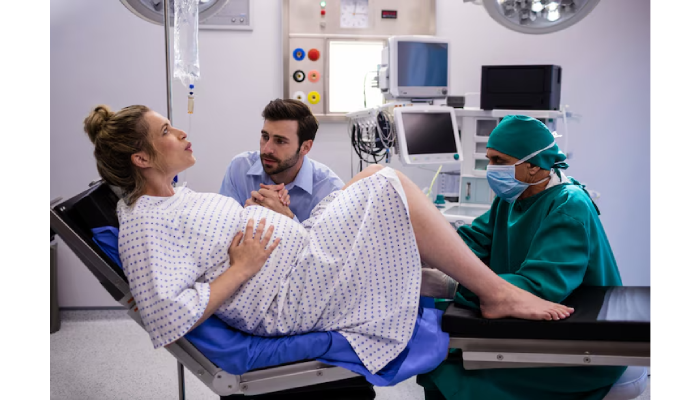
If you’re under 35 and have been trying to conceive for a year without success, it’s a good idea to see a fertility specialist in San Diego. For women over 35, experts recommend seeking help after just six months of unsuccessful attempts. Specialists also suggest seeing a doctor if you’ve had more than three miscarriages, as this might point to underlying issues. Both partners should get evaluated since male factors contribute to nearly 40% of infertility cases. Lifestyle habits like smoking or extreme body weights can affect fertility too. Early consultation helps identify causes and opens up treatment options like IVF or IUI tailored to your needs.
General Guidelines for Visiting a San Diego Fertility Specialist
For women under 35, it’s generally recommended to consult a fertility specialist if pregnancy hasn’t occurred after 12 months of trying. For women aged 35 and older, this timeframe shortens to six months, as fertility naturally declines with age. Couples should also consider seeing a specialist if there have been more than three miscarriages to explore possible underlying causes. Since infertility affects about 12.5% of couples, it’s a common concern that both partners should approach together. Male factors contribute to roughly 40% of cases, so evaluation for both partners is important. Early visits to San Diego fertility specialists can uncover medical or lifestyle factors affecting fertility, such as hormonal imbalances or weight issues. Specialists here use advanced diagnostic tools that go beyond routine exams, helping to pinpoint issues more accurately. The first consultation typically involves a thorough review of medical history and a physical exam. If complex problems are suspected, referral to a reproductive endocrinologist may follow. Seeking help early can save time and improve the chances of a successful pregnancy, making it wise not to delay if pregnancy doesn’t happen within the recommended periods.

Female Infertility Issues Treated by Specialists
Female infertility can stem from a variety of conditions that fertility specialists in San Diego are well-equipped to diagnose and treat. One common issue is endometriosis, where tissue similar to the uterine lining grows outside the uterus, often causing pain and fertility challenges. Polycystic Ovarian Syndrome (PCOS) is another frequent cause; it disrupts hormone levels and ovulation, which specialists manage through medication and lifestyle adjustments. Ovulation disorders, including irregular or absent ovulation, are addressed with hormone therapies to help restore regular cycles. Recurrent miscarriages prompt detailed evaluations to uncover genetic, structural, or hormonal reasons behind pregnancy loss. Structural abnormalities like uterine fibroids, scar tissue, or blocked fallopian tubes can block conception; these are diagnosed using imaging tests such as ultrasounds and hysterosalpingograms. Specialists also assess egg quality and ovarian reserve through blood tests measuring AMH levels and antral follicle counts. Treatment plans vary based on diagnosis and may involve surgery, medication, or assisted reproductive technologies like IVF. Alongside medical care, counseling is offered to support women emotionally and help them understand their options throughout the fertility journey.
When Male Fertility Should Be Evaluated?
Male fertility plays a significant role in about 40% of infertility cases, making it important for men to be evaluated when couples face difficulty conceiving. Men should seek a fertility specialist if they experience issues with sperm production, such as low sperm count or poor sperm quality, or if there are signs of sperm delivery problems like blockages in the reproductive tract. Erectile dysfunction and ejaculation difficulties also warrant professional assessment, as they can directly affect fertility. A history of undescended testicles, groin surgeries, or testicular injuries may impact fertility potential and should be discussed with a specialist. Additionally, conditions like testicular tumors, cysts, or cancers require evaluation due to their effect on sperm production. Infections such as mumps after puberty or sexually transmitted diseases can impair reproductive health and should be considered during evaluation. Chronic illnesses including diabetes and thyroid disorders may influence fertility, so men with these conditions should be proactive about assessment. Lifestyle and environmental factors like exposure to excessive heat, chemicals, or radiation, as well as habits such as smoking and alcohol use, can reduce sperm quality and should be reviewed by a specialist. San Diego fertility experts offer personalized treatment plans that may include medications, surgical options, or assisted reproductive technologies tailored to each individual’s needs.
How Lifestyle Choices Affect Fertility?
Lifestyle choices play a significant role in fertility for both men and women. Women who have a body mass index (BMI) above 29 or below 19 often face disruptions in their menstrual cycles and ovulation, making conception more difficult. Smoking harms reproductive organs and lowers sperm quality, while excessive alcohol intake can upset hormone levels and interfere with ovulation. Recreational drug use is also linked to reduced fertility and should be discussed openly with a fertility specialist. Men who spend a lot of time in hot environments, such as hot tubs or sitting for long periods, may experience lower sperm production. Additionally, exposure to chemicals or radiation at work can negatively impact fertility for either partner. Stress and poor sleep habits further affect hormone balance and reproductive function. On the other hand, maintaining a healthy diet rich in essential nutrients and engaging in moderate physical activity can support fertility, though too much exercise might have the opposite effect. Fertility specialists in San Diego can help couples identify these lifestyle factors and develop tailored plans to improve their chances of conception.
Types of Treatments Offered by San Diego Fertility Clinics
San Diego fertility clinics provide a range of treatments tailored to address different causes of infertility. Ovulation induction is commonly used for women who have trouble ovulating; medications help stimulate the ovaries to produce eggs. Intrauterine insemination (IUI) is another option that involves placing sperm directly into the uterus around ovulation to boost the chances of fertilization. For more complex cases, in vitro fertilization (IVF) is available, where eggs are fertilized outside the body and resulting embryos are transferred into the uterus. When sperm quality or quantity is very low, intracytoplasmic sperm injection (ICSI) can be used, which involves injecting a single sperm directly into an egg. Surgical treatments also play a role in correcting physical issues like blocked fallopian tubes or uterine abnormalities. Genetic testing is offered to identify inherited or chromosomal problems that may affect fertility or pregnancy outcomes. Women interested in preserving fertility can consider egg freezing for future use. Male infertility treatments vary from medications to surgery or assisted reproductive techniques, depending on the specific diagnosis. Many clinics also include counseling and support services to help couples cope emotionally through their fertility journey. Overall, treatment plans are personalized based on thorough diagnostic testing and patient preferences, ensuring each couple receives care suited to their unique situation.
When to Seek Help After Multiple Miscarriages?
If you have experienced three or more miscarriages, it is important to see a fertility specialist for a thorough evaluation. Recurrent pregnancy loss can be caused by a variety of factors such as genetic abnormalities, uterine issues, or hormone imbalances. Specialists often begin with blood tests to check for clotting problems or autoimmune diseases that might contribute to miscarriage. Imaging tests like ultrasounds or hysteroscopies can reveal structural issues in the uterus, including a septum or fibroids, that could interfere with pregnancy. Genetic testing may involve analyzing both parents’ chromosomes and the tissue from miscarriages to uncover inherited problems. Hormone levels, especially progesterone, are also assessed to ensure the body is supporting pregnancy properly. In addition to medical tests, lifestyle factors like smoking, alcohol use, and body weight are reviewed and addressed as they can affect pregnancy outcomes. Treatment depends on the underlying cause and might range from medication to surgical correction. Counseling and emotional support are important parts of care during this challenging time. Consulting a fertility specialist early after multiple losses can increase the chances of having a successful pregnancy in the future.
Understanding the Role of Reproductive Endocrinologists
Reproductive Endocrinologists (REs) are OB/GYN doctors with extra training focused on fertility and hormone-related issues. They handle complex fertility problems that go beyond what a regular OB/GYN might manage. When couples face difficulties conceiving, REs perform detailed testing like hormone panels, ultrasounds, and genetic screenings to identify underlying causes. They design personalized treatment plans that consider a patient’s medical background, test results, and lifestyle factors. Treatments managed by REs include ovulation induction, in vitro fertilization (IVF), and sometimes surgical procedures to correct structural issues. REs work with both partners since male factors contribute significantly to infertility, addressing problems such as sperm production or delivery. They also treat related conditions like polycystic ovarian syndrome (PCOS), endometriosis, and recurrent pregnancy loss. Patients usually see REs after a referral from a primary care provider or OB/GYN, especially if pregnancy has not occurred after the recommended time frames. REs keep up with the latest research and technologies to offer the most current care options, helping patients clearly understand their fertility status and treatment choices. For example, a woman with unexplained missed ovulation or a man with low sperm count may both be evaluated and treated by a reproductive endocrinologist to improve their chances of conceiving.
What to Expect During Your First Specialist Visit?
During your first visit to a San Diego fertility specialist, expect a thorough review of both partners’ medical and reproductive histories. The specialist will ask detailed questions about previous pregnancy attempts, past tests, treatments, and any miscarriages. Physical exams and pelvic ultrasounds may be done to evaluate the condition of reproductive organs. Blood tests are common to check hormone levels and ovarian reserve, helping to assess fertility potential. Men are usually asked to provide a semen sample either during the visit or shortly after for analysis. Based on this initial information, the specialist will discuss possible causes of infertility and recommend further diagnostic tests like imaging or genetic screening if needed. You’ll also have the chance to ask questions about the testing process, treatment options, timelines, and costs. The visit usually ends with scheduling follow-up appointments to review test results and begin personalized treatment plans tailored to your specific situation.
Contact Information for Leading San Diego Fertility Centers
One of the top fertility clinics in San Diego is Reproductive Partners Fertility Center, located at 9850 Genesee Ave. Suite #800 in La Jolla. They offer a wide range of fertility services such as IVF, IUI, and fertility preservation, making them a comprehensive resource for individuals and couples facing fertility challenges. The clinic is open Monday through Friday from 8 AM to 4:30 PM, with additional weekend hours on Saturday and Sunday from 8 AM to 12 PM. To schedule an appointment or ask questions, you can call 858-552-9177. The center provides access to experienced reproductive endocrinologists and dedicated support staff who work closely with patients to develop personalized treatment plans. Before calling, it’s helpful to have your medical records and any questions ready to ensure a productive consultation. Additional contact options, such as email or online forms, may be available through their website for convenience. Reproductive Partners Fertility Center is a valuable starting point for those ready to take the next step in their fertility journey in San Diego.