
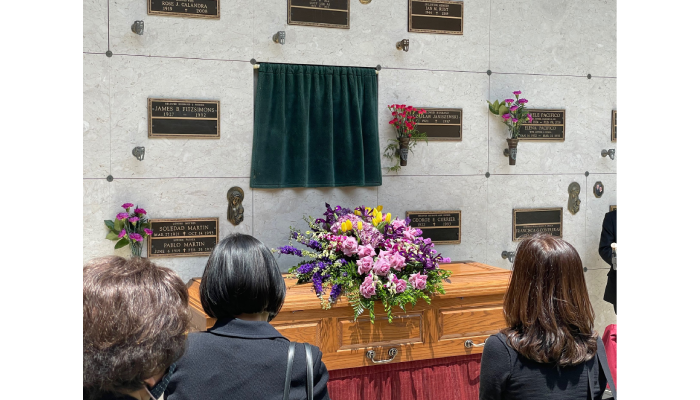
When planning funeral services, options abound for saving money while honouring loved ones. Begin by exploring burial or cremation preferences and documenting them to avoid unnecessary costs later on. Shopping around is essential; prices differ between funeral homes. Federal regulations require itemised price lists upon request, so use this to your advantage. It’s also wise to buy only needed services and consider alternatives like direct cremation for minimal expenses. Opting for memorial services in community spaces can cut venue costs significantly too. Additionally, checking local assistance programmes and discussing budget openly with providers may yield further savings without compromising dignity.
1. Explore Options and Communicate Wishes
Deciding on burial or cremation is a personal choice, and documenting your preferences helps avoid confusion later on. Tools like the ‘Before I Go’ kit can be invaluable, as they assist in organising important information and ensuring everything is in one place. It’s also wise to have open conversations with family members about your wishes, so everyone understands and respects your desires. Writing a will that includes your funeral wishes can provide additional clarity and peace of mind.
Researching local customs and practises can influence your decisions significantly, as cultural values often play a crucial role in how we approach death. Specific details matter too: consider what music, readings, or personal touches you would like included in your service. Encouraging family discussions about beliefs and values surrounding death can foster understanding and eliminate potential disagreements later.
Be open to revisiting these decisions over time, as preferences may change. Creating a checklist of things to consider for your funeral plans can simplify the process and serve as a useful reference. Lastly, educating your loved ones about the costs associated with different options ensures everyone is informed and can make better decisions together.
- Document your preferences regarding burial or cremation to avoid future confusion.
- Use resources like the ‘Before I Go’ kit, which helps organise important information.
- Discuss your wishes with family members to ensure everyone understands your desires.
- Consider writing a will that includes funeral wishes to give clarity.
- Research local customs and practices that might influence your decisions.
- Include specific details about music, readings, or personal touches you’d like.
- Encourage family discussions about values and beliefs related to death.
- Be open to revisiting your decisions over time as circumstances or preferences change.
- Create a checklist of things to consider for your funeral plans for easier reference.
- Educate your loved ones about the costs associated with different options.

2. Shop Around for Funeral Prices
Visiting multiple funeral homes is essential for comparing prices and the services they offer. Prices can vary widely, so obtaining an itemised price list is crucial, as it is a requirement by law. Look for online reviews to assess the reputation of the funeral homes you are considering. When you receive a quote, be sure to ask about any hidden fees that might not be included in the initial estimate, as these can add to the overall cost unexpectedly. Additionally, local funeral boards or associations can provide recommendations for reputable establishments. Some funeral homes may offer package deals that could save you money, so inquire about these options. Don’t hesitate to ask about discounts for prepayment or referrals, which could further help reduce costs. As you evaluate the services offered, consider which ones are essential and which can be omitted to stay within your budget. If a funeral home does not meet your financial limits, be prepared to walk away. Keeping a record of all your interactions will also be beneficial for reference later on.
3. Buy Only What You Want
When planning a funeral, it is essential to identify the services that are truly necessary and to steer clear of any extras that may not hold value for you or your loved ones. Before meeting with funeral directors, establish a clear budget to avoid feeling pressured into purchasing items you do not actually want or need. Ask to see an itemised list of available services and their costs right at the beginning; this transparency helps you make informed choices.
Consider personalising the memorial with items that genuinely reflect the personality and life of the deceased, rather than opting for standard, expensive offerings. For example, if the person loved gardening, you might choose to create a memorial space with their favourite plants. Simplifying the service can also help focus on meaningful experiences rather than lavish items, allowing for a celebration of life that is heartfelt yet cost-effective.
Explore alternatives to traditional caskets, such as eco-friendly options or even unique, handmade alternatives. Don’t hesitate to consider DIY memorial items or tributes that can be crafted by family and friends, which can add a personal touch without the hefty price tag. Ultimately, assess which services resonate most with your values and the wishes of the deceased, prioritising what is important to you over societal expectations.
4. Consider Online Purchases for Caskets
Purchasing caskets and urns online can be a practical way to save money. Start by researching reputable online retailers that offer a variety of options. It’s important to know that funeral homes cannot legally refuse to accept caskets purchased from outside sources, meaning you can shop around without feeling pressured. Comparing prices online may reveal more affordable choices, including unique and biodegradable caskets if sustainability matters to you. When choosing an online vendor, read customer reviews to ensure product quality. Additionally, inquire with your chosen funeral home about any partnerships they may have with online retailers, which could simplify the process. Always check for delivery options and any potential extra costs that may arise. Customisation options are often available, allowing you to personalise the casket to reflect the deceased’s personality. Keep in mind the importance of shipping times to ensure the casket arrives before the services, and don’t forget to explore any local regulations regarding the use of online-purchased caskets.
6. Plan a Memorial Service Without the Body
Hosting a memorial service without the body can be a poignant way to honour a loved one while saving on costs. Consider having the service at home, which can significantly reduce venue fees. If you invite friends and family, a potluck format not only brings everyone together but also cuts down on catering expenses. You might choose a meaningful location, like a local park or community hall, where everyone can gather comfortably.
Encourage guests to share stories and memories instead of formal speeches, creating a relaxed atmosphere. If circumstances prevent an in-person gathering, digital platforms offer a way to connect with loved ones virtually. Think about incorporating activities that celebrate the deceased’s life, such as planting a tree in their memory or creating a memory wall filled with personal items and photos. This adds a warm touch without the need for extravagant decorations.
Involving family and friends in the planning process can help create a personal touch, making the service truly unique. Timing the service around significant dates related to the deceased can also add meaning to the occasion. Limiting decorations to cherished mementos rather than elaborate arrangements will keep costs down while still providing a beautiful tribute.
7. Skip Embalming for Cost Savings
Many people are surprised to learn that embalming is not legally required in most cases. This means you can often skip this costly procedure, especially if it is not necessary for the type of service you are planning. Instead, discuss options like refrigeration with your funeral director, as this can be a suitable alternative that helps preserve the body without the added expense of embalming. It’s essential to have an open conversation about whether embalming is needed based on your specific circumstances, as certain state regulations may apply in particular situations. For example, if there will be a lengthy delay before the service or if the body will be transported across state lines, embalming might be required. Additionally, consider any cultural or religious beliefs that may influence your decision. Always ask for a clear breakdown of costs related to embalming so you can make an informed choice. Research how long a body can be preserved without embalming, as this will help you understand your options better. Finally, think about the emotional impact this decision might have on family members, and make sure to communicate your choice clearly to both your loved ones and the service providers.
8. Consider Body Donation Options
Donating your body to a medical school or organisation can be a thoughtful and financially savvy option. Start by researching local institutions that accept body donations, as each may have different requirements and processes. It’s important to understand what’s involved, including any specific health conditions that might disqualify a donation. Some organisations may provide a free cremation after the donation, which can significantly reduce overall funeral costs. However, it’s vital to have open discussions with your family about this decision to ensure everyone is informed and supportive. Keep in mind that the timeline for body donation can vary, so it’s wise to plan ahead. Additionally, consider memorial options that can be held after the donation, as some families prefer to organise a separate service to honour their loved one. Consulting with the donation organisation about their policies regarding memorialisation can provide clarity and help in planning a fitting tribute.
9. Negotiate and Prepay for Services
When considering funeral services, it’s wise to openly discuss your budget with providers. Many funeral homes are willing to negotiate prices, so don’t hesitate to ask for flexible options that align with your financial situation. Inquire about payment plans if you prefer not to prepay. Prepaying for services can be advantageous, as it allows you to lock in current prices, potentially saving money in the long run. Be sure to ask about any warranties or guarantees attached to prepaid services, ensuring your investment is protected.
Setting aside funds in a dedicated account for funeral expenses is another proactive step. Make sure you understand the terms of any prepaid plans, including options to transfer services if your circumstances change. Paying upfront may also secure better rates, so it’s worth discussing this with the funeral home. Always keep thorough documentation of any agreements regarding services and payments to avoid misunderstandings later.
10. Explore Alternatives for Funeral Services
Considering alternatives for funeral services can significantly reduce costs while still honouring your loved one. Hosting services in non-traditional venues, such as your home or a local park, can create a comforting atmosphere and save on venue fees. Informal gatherings, like potlucks or simple memorials, can feel more personal and less expensive than a formal service. If travel is an issue for some family members, virtual memorial services offer a way to include everyone without the added costs of travel and accommodation.
Incorporating personal elements into the service, such as playing the deceased’s favourite songs or sharing stories about their hobbies, can make the gathering more meaningful. You might consider less conventional memorials, such as a celebration of life, which can often be tailored to fit your family’s preferences and budget. Involving friends and family in the planning process not only eases the burden but also allows for unique contributions that reflect the personality of the deceased.
Evaluating whether a simple gathering would meet your family’s needs is essential. Often, a modest service can provide the closure required without unnecessary expenditure. Community involvement can also add personal touches, whether through shared memories, multimedia presentations, or assistance in organising the event. Lastly, don’t hesitate to look into local resources that provide support for planning alternative services, ensuring that you honour your loved one without overspending.
11. Look Into Veterans Benefits
Veterans and their families may not realise the financial support available to them when it comes to funeral services. The Department of Veterans Affairs (VA) provides burial allowances to help cover costs, but eligibility criteria must be checked. For eligible veterans, the VA offers free burial in national cemeteries, which can significantly reduce expenses. Surviving spouses and dependents can also benefit from burial allowances and grave markers. In addition, the VA may assist with transportation and help in arranging funeral services. Some states even offer additional benefits, such as discounts on cemetery plots and headstones, so it’s wise to research local regulations. Local veterans’ organisations can be invaluable resources, providing guidance and support to families during the funeral planning process. For those navigating this complex area, contacting veteran service organisations can help clarify claims and benefits. Typically, documentation like a DD Form 214 will be required to access these benefits. If your loved one was a member of a veterans’ association, they might also have resources available to assist with funeral costs. It’s essential to inform all family members about these available benefits and the application process, ensuring everyone is on the same page.
12. Consider Simpler Funeral Services
Opting for simpler funeral services can lead to significant savings while still paying tribute to your loved one in a dignified manner. Direct cremation or burial services typically come with lower costs compared to traditional funerals that involve elaborate ceremonies. For instance, a memorial service without the body present can save on costs associated with embalming and viewing. Rather than hosting the service at a funeral home, consider gathering at home or in a community space, which can be more budget-friendly.
Limiting add-ons like catering and extravagant floral arrangements can also help reduce expenses; simple refreshments often suffice. Personal touches, such as sharing favourite stories or displaying photographs, can create a meaningful tribute without the need for costly items. Additionally, holding the service during the day may save on venue fees, as many places charge less for daytime events than for evening ones.
When selecting a casket, avoid the temptation to purchase expensive options; there are many dignified yet affordable choices available. Furthermore, encouraging family and friends to contribute their time or skills can personalise the service without incurring extra costs. Lastly, it is essential to discuss these options with family members to ensure everyone feels comfortable with the arrangements.
13. Create a Funeral Savings Fund
Establishing a dedicated account for funeral expenses can provide peace of mind during difficult times. Consider setting up a savings account or a trust fund specifically for these costs, allowing for gradual contributions over time. It’s wise to look into life insurance policies that can help cover these expenses, ensuring your loved ones are not burdened financially. Begin by listing anticipated costs such as services, caskets, and venue fees, which will help determine how much you need to save regularly to reach your goal.
Encourage family members to contribute to this fund, creating a collective effort to honour the deceased. Automating contributions can make saving easier and more consistent. Periodically reviewing the fund is essential to ensure it keeps pace with rising funeral costs.
You might also consider a pre-need funeral plan, which allows you to pay in advance for specific services, locking in prices and alleviating future financial worries for your family. Clear communication about this fund with your family is crucial, as it helps them understand its purpose and availability when the time comes.
14. Check Local Assistance Programs
When facing the financial burden of funeral services, checking local assistance programmes can provide crucial support. Many charities, churches, and non-profit organisations are dedicated to helping families in need, so it’s worth researching what’s available in your area. Additionally, government assistance programmes may offer help for low-income families, so inquire about eligibility and the application process. Some funeral homes partner with assistance programmes, allowing them to offer discounted services or flexible payment plans, which can ease the financial strain.
Local health departments or social services can also be valuable resources, often having information about available funeral aid. It’s beneficial to explore community fundraisers or crowdfunding options that can help cover costs, especially in times of financial hardship. Don’t forget to ask local funeral directors about any resources or support they may provide when planning a service, as they can often guide you to local options.
For veterans or those in specific professions, there may be additional programmes that offer unique funeral assistance. Also, hospitals or hospice organisations can provide referrals to assistance programmes, ensuring you have access to all available help. Finally, understanding the documentation required for applying for assistance will streamline the process, making it easier to access the support you need. Keeping a list of local resources handy can be helpful for sharing with family and friends who may also need support during this difficult time.
15. Educate Yourself and Family About Costs
Understanding funeral costs is essential for making informed decisions. Start by researching typical funeral prices in your area to gain clarity on what to expect. Discuss these costs openly with family members, making sure everyone is aligned on budget expectations. Sharing resources, such as websites and guides that detail various funeral service options, can be incredibly helpful. Encourage family members to ask questions and express their concerns about costs and arrangements, fostering an environment of open communication.
If available in your community, consider attending workshops or seminars about funeral planning, as these can provide valuable insights. Creating a checklist of potential expenses and services to review together can help in planning effectively. You might also want to use online calculators to estimate total costs based on your selected services and options.
It’s important to be aware of state and federal laws that protect consumers regarding funeral costs, such as the Funeral Rule, which ensures you receive itemised price lists when requested. Keeping abreast of changes in funeral service prices is also wise, as these can fluctuate year to year. Lastly, fostering a culture of understanding around death and dying within your family can make future planning feel less daunting.
Resource URL: