
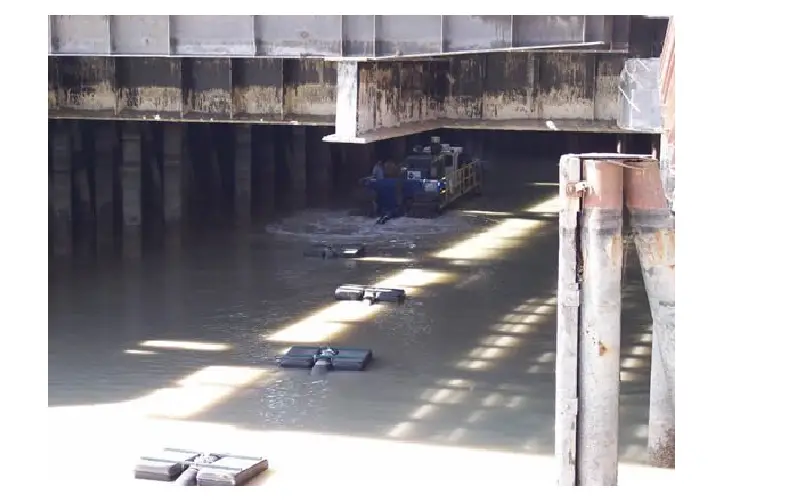
Marinas serve as crucial hubs for boaters, providing docking, refueling, and other essential services. However, over time, sediment accumulation can create navigation challenges, making it difficult for boats to access these facilities safely. This is where marina dredge operations come into play. Dredging removes built-up sediments, maintaining adequate water depth and ensuring smooth and safe navigation for vessels of all sizes.
The Importance Of Marina Dredging For Safe Navigation
Marina dredge is essential for keeping waterways clear and preventing hazards that could damage boats or endanger boaters. Without regular dredging, marinas can become shallow, leading to problems such as:
- Grounding of boats due to insufficient water depth
- Reduced maneuverability for vessels
- Increased risk of collision with underwater obstacles
- Limited access for larger boats
By maintaining proper water depth through dredging, marinas can support a diverse range of boats, from small personal watercraft to large yachts and commercial vessels.

How Marina Dredging Works?
The marina dredge process involves several steps to ensure efficient sediment removal and environmental protection:
- Surveying the Marina Basin – Before dredging begins, experts conduct hydrographic surveys to determine the areas requiring attention.
- Sediment Removal – Specialized dredging equipment, such as cutter suction dredgers or hydraulic dredgers, extracts accumulated sediment.
- Sediment Transport and Disposal – Removed sediments are either transported to designated disposal sites or repurposed for land reclamation or beach nourishment.
- Post-Dredging Inspection – After dredging, surveys are conducted again to verify the depth and ensure the marina is safe for navigation.
Benefits Of Marina Dredging For Boaters
Regular marina dredge operations provide multiple advantages to boaters:
Enhanced Safety and Accessibility
Shallow waters can pose serious risks, especially for deep-draft vessels. Dredging ensures that marinas maintain an appropriate depth, reducing the chances of boats running aground and ensuring smooth entry and exit.
Improved Marina Infrastructure
A well-maintained marina attracts more boaters and provides better docking facilities. Dredging helps marinas accommodate various types of vessels, from sailboats to motor yachts, boosting their usability and appeal.
Support for Recreational and Commercial Activities
Marinas serve not only recreational boaters but also fishing fleets, tour boats, and maritime businesses. Ensuring clear waterways through dredging benefits commercial operations, allowing them to function without disruptions.
Prevention of Environmental Hazards
Sediment accumulation can lead to the buildup of pollutants and toxins in the water. By regularly dredging marinas, harmful contaminants can be managed, promoting a healthier aquatic ecosystem.
Enhanced Water Circulation
Dredging improves water flow and circulation within marinas, reducing the occurrence of stagnant water, which can lead to excessive algae growth and water quality deterioration.
Different Types Of Marina Dredging Techniques
Depending on the marina’s needs, various dredging methods can be employed:
Mechanical Dredging
- Uses backhoes, clamshell dredgers, or excavators to physically remove sediment.
- Suitable for marinas with high sedimentation rates and compact materials.
Hydraulic Dredging
- Utilizes suction or pipeline dredgers to pump sediment away.
- Effective for fine sediments and locations requiring minimal disruption.
Environmental Dredging
- Focuses on removing contaminated sediments while minimizing harm to marine ecosystems.
- Used in marinas near sensitive habitats or protected waterways.
Environmental Considerations In Marina Dredging
While marina dredge operations are essential, they must be conducted responsibly to minimize environmental impact. Important considerations include:
- Sediment Testing – Ensuring that the removed material is free from hazardous pollutants.
- Disposal Management – Transporting dredged material to approved disposal sites.
- Minimizing Habitat Disruption – Avoiding harm to marine life, such as fish spawning grounds or coral reefs.
- Regulatory Compliance – Following local, state, and federal environmental regulations.
How Often Should Marina Dredging Be Performed?
The frequency of dredging depends on factors such as:
- The marina’s location and exposure to sedimentation sources (e.g., river inlets, tidal areas)
- The depth requirements of the boats using the marina
- Local weather conditions and storm patterns
- Regulatory guidelines and maintenance schedules
Many marinas conduct dredging every 3 to 5 years, but high-traffic or sediment-prone areas may require more frequent maintenance.
The Future Of Marina Dredging: Sustainable Practices
With advancements in technology, modern dredging methods are becoming more environmentally friendly. Some sustainable practices include:
- Using Eco-Friendly Dredging Equipment – New dredgers are designed to reduce fuel consumption and emissions.
- Repurposing Dredged Material – Instead of disposal, some materials are used for beach restoration or wetland rehabilitation.
- Implementing Sediment Management Strategies – Preventative measures such as sediment traps and breakwaters help reduce the need for frequent dredging.
Conclusion
Marina dredging plays a vital role in ensuring safe and efficient navigation for boaters. By maintaining proper water depth and removing sediment buildup, marina dredge operations enhance safety, improve marina infrastructure, and support both recreational and commercial boating activities. With advancements in sustainable dredging practices, marinas can continue providing accessible and environmentally responsible services to the boating community. Regular dredging is not just a necessity—it is an investment in the longevity and usability of marina facilities.