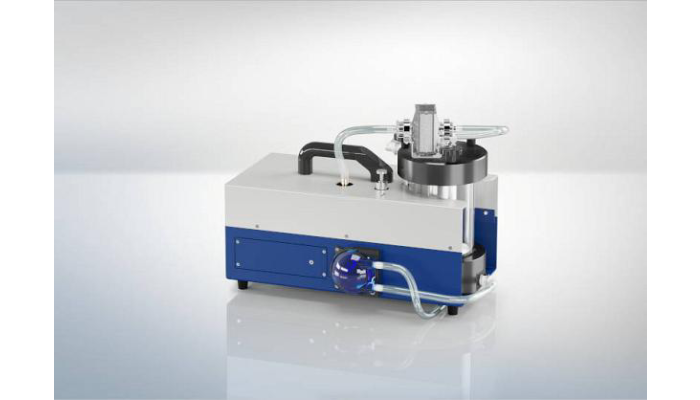
An ELISA plate washer is a crucial instrument in laboratories conducting enzyme-linked immunosorbent assays (ELISA). It ensures accurate washing of microplate wells, preventing contamination and ensuring reliable test results. Proper maintenance is essential to prolong its lifespan, maintain performance, and prevent costly repairs. This guide covers the best practices for maintaining your ELISA plate washer effectively.
Understanding The Importance Of ELISA Plate Washer Maintenance
Routine maintenance of an ELISA plate washer helps ensure:
- Accurate results: Prevents residue build-up that could interfere with assays.
- Longevity: Reduces wear and tear, extending the equipment’s lifespan.
- Cost efficiency: Avoids expensive repairs and replacements.
- Consistency: Ensures uniform washing across all microplate wells.
Daily Maintenance Routine
Flushing and Cleaning After Use
- Flush the system with distilled water: Prevents salt and reagent deposits from clogging the tubes.
- Use a mild detergent solution: For deeper cleaning, especially when handling sticky or protein-based reagents.
- Rinse thoroughly: Ensures no detergent residue remains, which could affect test results.
Checking Nozzles and Tubing
- Inspect washer heads and nozzles: Remove any blockages using a soft brush or an ultrasonic cleaner.
- Check tubing for leaks: Replace damaged or cracked tubes promptly to prevent liquid loss.
- Ensure proper aspiration: If liquid remains in wells, clean or replace the aspirate probes.
Weekly Maintenance Tasks
Decontamination Procedures
- Run a decontamination cycle: Use a mild bleach solution (0.5%-1%) to prevent microbial growth.
- Flush with distilled water afterward: Removes bleach residues that could damage the washer.
Calibration and Performance Check
- Verify aspiration and dispensing volumes: Use a calibrated pipette to measure liquid accuracy.
- Test for uniformity: Dispense liquid across multiple wells to ensure even distribution.
Monthly And Quarterly Maintenance
Deep Cleaning Protocol
- Disassemble components: Clean washer heads, tubing, and waste containers separately.
- Use enzymatic cleaners: Effective for breaking down protein residues.
- Inspect O-rings and seals: Replace if worn out to maintain proper pressure and suction.
Software and Firmware Updates
- Check for manufacturer updates: Keeping the software up to date ensures optimal performance.
- Recalibrate the system: Necessary after any software updates or major maintenance.
Preventing Common ELISA Plate Washer Issues
Clogging Problems
- Use filtered or distilled water: Reduces mineral deposits in tubing and nozzles.
- Flush immediately after sticky reagents: Prevents accumulation of residues that can lead to clogging.
Inconsistent Washing or Aspiration
- Check for misaligned washer heads: Ensure proper positioning for uniform performance.
- Clean or replace aspiration probes: If liquid remains in wells after washing, it may indicate a blockage or misalignment.
Power and Electrical Failures
- Inspect power connections regularly: Loose connections can lead to operational issues.
- Keep the system dry: Prevent liquid spills near electrical components to avoid short circuits.
Storing And Handling Your ELISA Plate Washer Properly
Proper Storage
- Keep in a dry, dust-free environment: Avoids contamination and potential damage.
- Store with cleaning solution if unused for long periods: Prevents internal drying and clogging.
Handling Best Practices
- Use the machine according to manufacturer guidelines: Overuse or misuse can lead to early wear and tear.
- Train personnel: Ensure all users understand proper maintenance and operation procedures.
Conclusion
Proper maintenance of your ELISA plate washer is essential for ensuring accurate results, prolonging equipment lifespan, and preventing costly repairs. Implementing a structured maintenance routine—daily flushing, weekly decontaminations, monthly deep cleans, and periodic professional servicing—keeps your washer in peak condition. By following these best practices, laboratories can ensure reliable ELISA testing and enhance the efficiency of their diagnostic and research workflows.