

LED lights have become a popular choice for car enthusiasts and everyday drivers alike. Known for their energy efficiency, longevity, and superior brightness, LED lights for cars are an excellent upgrade for both aesthetics and functionality. However, like any component of your vehicle, they require proper care to ensure maximum performance and lifespan. In this guide, we’ll discuss practical tips and essential maintenance strategies to keep your car’s LED lights shining bright for years to come.
Understanding The Basics Of LED Lights For Cars
LED (Light Emitting Diode) lights are an advanced lighting solution that outperforms traditional halogen or HID (High-Intensity Discharge) lights in many ways. These lights consume less power, produce less heat, and offer a significantly longer lifespan—often lasting up to 50,000 hours or more. Additionally, their compact size and versatile design allow them to be used for various automotive applications, including headlights, taillights, fog lights, and interior lighting.
Despite their durability, LED lights for car are not immune to wear and tear. Factors like improper installation, environmental exposure, and lack of maintenance can reduce their performance and lifespan. By adopting a proactive approach, you can maximize the value of your LED lights.
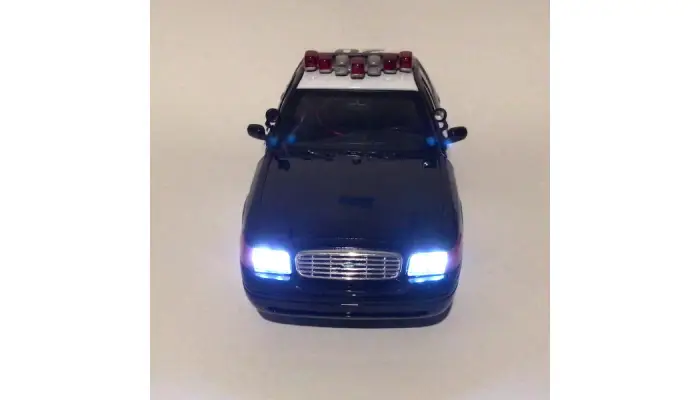
Choose High-Quality LED Lights For Your Car
The foundation of maintaining LED lights begins with selecting high-quality products. Investing in reputable brands ensures you get lights designed for durability, performance, and compatibility with your vehicle. Cheap or counterfeit LED lights may seem attractive due to their lower price, but they often lack the necessary build quality and can fail prematurely.
When shopping for LED lights for cars, consider the following factors:
- Lumens (brightness level)
- Color temperature (measured in Kelvin, for optimal visibility)
- Heat dissipation technology
- IP rating for water and dust resistance
Choosing lights that meet these criteria will reduce the risk of early failure and ensure consistent performance.
Install LED Lights Correctly
Improper installation is a common cause of LED light failure. Whether you’re replacing headlights or adding interior LED strips, it’s crucial to follow the manufacturer’s guidelines. Incorrect wiring, poor alignment, or using incompatible components can lead to overheating, flickering, or complete failure of the lights.
For optimal results:
- Ensure the lights are securely mounted to prevent vibrations.
- Use the appropriate connectors and voltage settings.
- Double-check the polarity of the wiring before powering the lights.
If you’re unsure about the installation process, consider hiring a professional to handle the job.
Keep LED Lights Clean
Dust, dirt, and grime can accumulate on your car’s LED lights, reducing their brightness and efficiency. Regular cleaning not only improves visibility but also prevents the buildup of debris that can trap heat and damage the light components.
Here’s how to clean your LED lights for cars safely:
- Use a soft microfiber cloth and a mild cleaning solution to remove surface dirt.
- Avoid abrasive materials that can scratch the lens.
- For hard-to-reach areas, use a small brush or compressed air.
- Ensure the lights are completely dry before turning them on to avoid short circuits.
Protect LED Lights From Extreme Conditions
Extreme weather conditions can affect the performance and lifespan of your car’s LED lights. High temperatures, freezing cold, and prolonged exposure to sunlight can degrade the materials and electronics over time.
To protect your LED lights:
- Park your car in a shaded or covered area whenever possible.
- Use UV-resistant covers to shield exposed lights.
- Avoid using LED lights for extended periods when the car is stationary, as this can lead to overheating.
Inspect And Maintain The Electrical System
The electrical system of your car plays a vital role in the functioning of LED lights for cars. Voltage fluctuations, loose connections, or faulty components can lead to inconsistent performance or permanent damage to the lights.
Regularly inspect your car’s electrical system to:
- Check for frayed wires, corrosion, or loose connections.
- Ensure the alternator and battery are in good condition.
- Use voltage regulators or resistors if your car’s system produces inconsistent voltage.
If you notice flickering or dimming of the lights, address the issue immediately to prevent further damage.
Avoid Overloading The Lighting System
While LED lights consume less power than traditional bulbs, overloading your car’s lighting system with multiple LEDs or other electrical accessories can strain the system. Ensure that your car’s electrical system can handle the additional load without causing issues.
To avoid overloading:
- Calculate the total power consumption of all electrical components.
- Upgrade your alternator or battery if needed.
- Disconnect unused or unnecessary accessories to free up electrical capacity.
Use LED-Specific Accessories
When upgrading or maintaining LED lights for cars, use accessories designed specifically for LED systems. Standard bulbs and accessories may not be compatible with LED technology, leading to reduced performance or even damage.
Common LED-specific accessories include:
- LED-compatible fuses
- Ballasts for LED headlights
- LED dimmers and controllers
Using the correct accessories ensures optimal performance and prevents malfunctions.
Monitor Heat Management
Heat is one of the primary factors that can shorten the lifespan of LED lights. Although LEDs produce less heat than halogen bulbs, the heat generated by their electronic components must be effectively managed.
Ensure proper heat dissipation by:
- Choosing LED lights with built-in cooling systems, such as fans or heat sinks.
- Ensuring adequate airflow around the lights.
- Regularly checking for dust or debris that can block cooling vents.
Replace Faulty Components Promptly
If you notice any signs of malfunction, such as flickering, dimming, or uneven lighting, address the issue immediately. Continuing to use damaged lights can lead to further problems, including damage to other components of your car’s electrical system.
Replace faulty components with high-quality parts to maintain the integrity of your lighting system.
Adopt Regular Maintenance Practices
Routine maintenance is essential for extending the lifespan of your car’s LED lights. By incorporating simple checks into your car’s regular upkeep schedule, you can prevent potential issues before they escalate.
Key maintenance practices include:
- Inspecting lights for physical damage, such as cracks or discoloration.
- Testing the brightness and functionality of all lights.
- Cleaning lenses and ensuring no moisture is trapped inside.
Conclusion
Maintaining and extending the lifespan of your LED lights for cars is a straightforward process that pays off in terms of performance, safety, and cost savings. By choosing high-quality lights, ensuring proper installation, and following regular maintenance practices, you can enjoy the benefits of LED technology for years to come. Whether you’re a car enthusiast or simply looking to enhance your vehicle’s lighting system, these tips will help you get the most out of your investment.
By taking proactive steps, you not only ensure better visibility and aesthetics but also contribute to a safer and more reliable driving experience.