
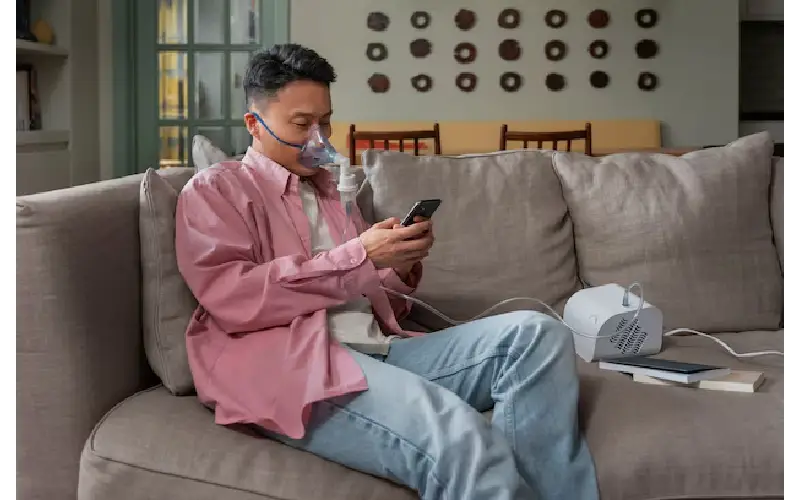
Sleep apnea is a common yet serious condition that affects millions of people worldwide. Characterized by repeated interruptions in breathing during sleep, it can lead to a host of health issues, including fatigue, heart disease, and diabetes. Traditionally, sleep apnea has been diagnosed through in-lab polysomnography, which requires an overnight stay in a sleep center. However, a home sleep test for sleep apnea is becoming an increasingly popular option for its convenience, cost-effectiveness, and accuracy. This article will explore why a home sleep test is your best choice, including its benefits, how it works, and tips for preparation.
What Is A Home Sleep Test For Sleep Apnea?
A home sleep test for sleep apnea is a simplified diagnostic tool that allows you to monitor your sleep in the comfort of your own home. The device records essential data such as:
- Breathing patterns
- Oxygen levels
- Heart rate
- Body movements
This data helps determine whether you have sleep apnea and its severity, eliminating the need for an overnight stay at a sleep clinic.
Benefits Of A Home Sleep Test
Opting for a home sleep test for sleep apnea offers several advantages:
Convenience And Comfort
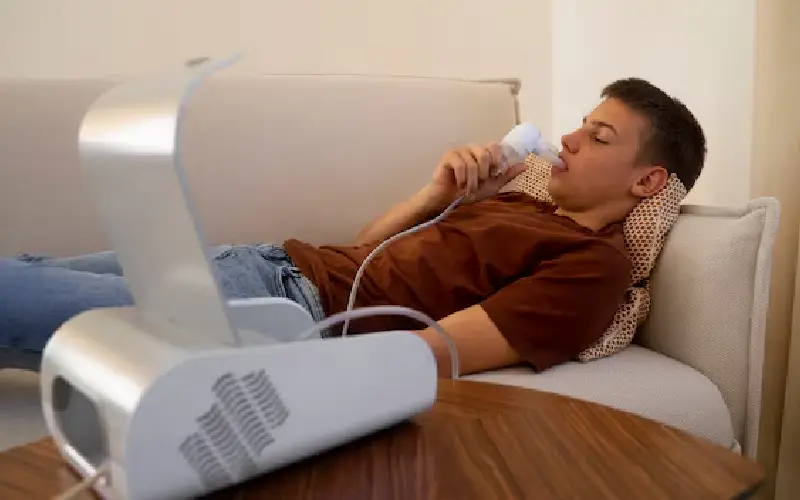
Unlike traditional sleep studies, a home sleep test allows you to sleep in your own bed, following your usual routine. This eliminates the discomfort of sleeping in an unfamiliar environment, ensuring more accurate results.
Cost-Effectiveness
In-lab sleep studies can be expensive, often costing thousands of dollars. A home sleep test is significantly more affordable, making it accessible to a broader range of patients.
Time Efficiency
A home sleep test requires minimal setup and doesn’t necessitate multiple visits to a sleep clinic. This is ideal for individuals with busy schedules or those living in remote areas.
Privacy
For many people, undergoing a test at home offers greater privacy and less anxiety compared to an in-lab setting.
Accurate Diagnoses
Modern home sleep test devices are highly reliable and provide comprehensive data to accurately diagnose sleep apnea.
How Does A Home Sleep Test Work?
The process of a home sleep test for sleep apnea is straightforward and involves the following steps:
Consultation With A Doctor
Before the test, your doctor will evaluate your symptoms and medical history to determine if a home sleep test is appropriate for you.
Receiving The Device
You’ll be provided with a compact, portable device designed to record data while you sleep. These devices often include a nasal cannula to monitor airflow, a chest belt to measure respiratory effort, and a pulse oximeter to track blood oxygen levels.
Conducting The Test
On the night of the test, you’ll wear the device according to the instructions provided. It is crucial to follow your regular bedtime routine for accurate results.
Returning The Device
Once the test is complete, the device is returned to the sleep clinic or provider for analysis. The recorded data is reviewed by a sleep specialist to diagnose your condition.
Who Should Consider A Home Sleep Test?
A home sleep test for sleep apnea is suitable for:
- Individuals with moderate to high suspicion of obstructive sleep apnea.
- Those experiencing symptoms like loud snoring, gasping during sleep, and excessive daytime sleepiness.
- People who face challenges accessing in-lab sleep studies due to cost, distance, or scheduling conflicts.
However, it may not be appropriate for individuals with complex medical conditions or suspected central sleep apnea, as these cases may require more detailed in-lab testing.
Tips For Preparing For A Home Sleep Test
To ensure accurate results from your home sleep test for sleep apnea, consider the following tips:
- Follow Instructions Carefully: Read and understand the device’s setup instructions.
- Avoid Caffeine and Alcohol: These substances can interfere with your sleep patterns.
- Maintain Your Routine: Stick to your usual bedtime and sleeping habits.
- Choose a Quiet Environment: Minimize disturbances to ensure a restful night.
What Happens After The Test?
Once the data is analyzed, your doctor will discuss the results and recommend the appropriate treatment if sleep apnea is diagnosed. Treatment options include:
- Lifestyle Changes: Weight loss, quitting smoking, and improving sleep hygiene.
- Continuous Positive Airway Pressure (CPAP): The gold standard for treating sleep apnea.
- Oral Appliances: Devices that reposition the jaw to keep the airway open.
- Surgical Interventions: For severe cases unresponsive to other treatments.
Potential Drawbacks Of Home Sleep Tests
While a home sleep test for sleep apnea is highly effective, it does have some limitations:
- It may not detect other sleep disorders, such as insomnia or restless leg syndrome.
- Limited monitoring parameters compared to in-lab studies.
- Less suitable for individuals with multiple medical conditions or severe symptoms.
Despite these limitations, a home sleep test remains an excellent first step for diagnosing sleep apnea in most cases.
Conclusion
If you suspect you have sleep apnea, a home sleep test for sleep apnea is a convenient, affordable, and reliable option for diagnosis. It allows you to undergo the test in the comfort of your home while providing accurate data to guide your treatment plan. While it may not replace in-lab studies for complex cases, it is the best choice for most individuals seeking a simple and effective way to address their sleep health.
Don’t let sleep apnea go undiagnosed—consult your healthcare provider today and take the first step towards better sleep and improved overall health.