What is a vapor recovery system and why should Indian investors care?
A vapor recovery system captures valuable hydrocarbon vapors that would otherwise escape into the air. These vapors come from storage tanks, loading racks, pipelines, and process units. Instead of losing product and facing stricter emission rules, you can turn these vapors back into usable fuel or feedstock.
For Indian investors in oil and gas, petrochemicals, and terminals, this technology does two important things. It protects you from tightening environmental norms in India and abroad. At the same time, it converts losses into revenue, which improves the long-term value of your assets.
Think of it as a smart emissions control technology. It keeps regulators satisfied, improves community relations, and strengthens your project’s financial performance over many years.
What is a vapor recovery system?
A vapor recovery system is a set of equipment that collects hydrocarbon vapor emissions before they enter the atmosphere. These vapors are rich in light hydrocarbons like methane, propane, and butane. Instead of flaring or venting them, the system captures, compresses, and conditions them for reuse.
Typical key components include:
- Suction piping and headers to gather vapors from tanks or process units
- Compressors or blowers to pull vapors and raise pressure
- Separators to remove liquids and condensate
- Treatment units such as carbon adsorption systems or chillers
- Control panel and safety instruments for automatic operation and protection
The final recovered gas can be sent back to a fuel gas system, a pipeline, or used as a process feed, depending on the site design.
Why vapor recovery matters for your projects
Uncontrolled hydrocarbon vapor emissions are no longer acceptable in most markets. Regulators view them as a major source of VOCs, which contribute to smog and health issues. Many global buyers and lenders now prefer assets that demonstrate strong VOC emission control and tank vapor recovery.
When you install a robust system, you gain many advantages:
- Regulatory readiness: You stay aligned with global standards such as those referenced by international environmental agencies.
- Product savings: Every kilogram of vapor recovered is product you can sell or reuse instead of losing into the air.
- Lower carbon and VOC footprint: Helpful for ESG reports, export deals, and green financing.
- Better community relations: Reduced odors and visible emissions near depots and terminals.
Types of vapor recovery systems
Vapor Recovery Units (VRUs)
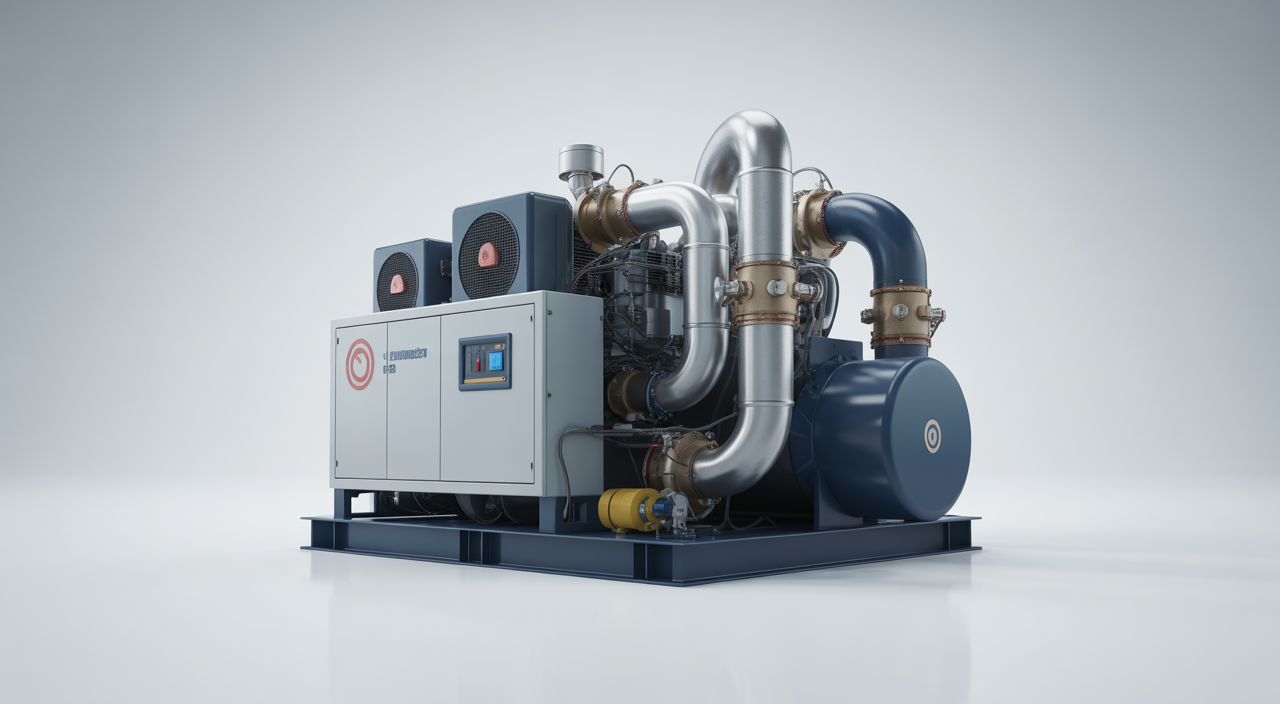
A Vapor Recovery Unit is a complete package that uses compressors, separators, and treatment stages to recover vapors. It is ideal for storage tanks at terminals, upstream tank batteries, and refinery units. VRUs are flexible and can be sized for different throughputs, from small depots to large tank farms.
Benefits of VRUs include high recovery efficiency and strong payback when gas prices or product value are attractive. For Indian investors, VRUs can add real value to export-focused terminals and petrochemical clusters.
Pressure/vacuum vent systems
Pressure vacuum vents are small but important devices on tank roofs. They keep tanks within safe pressure limits while reducing normal breathing losses. A pressure/vacuum venting system does not recover all vapors, but it sharply cuts routine emissions and protects the tank structure.
These devices are usually combined with other solutions, such as a main VRU or vapor balance systems between tanks and loading arms, to optimize overall performance.
Carbon adsorption and condensation systems
Some designs use activated carbon beds to capture vapors, especially in high-value VOC recovery system applications. The carbon traps hydrocarbons, which can later be desorbed and recovered. In other cases, condensation systems cool the vapors so that liquids separate out and can be stored as product.
These options are useful when you need very high removal efficiency or have specific product qualities to protect.
How to design and size your system
Getting the sizing right is crucial for performance and return on investment. Under-sized units struggle during peak loading or hot weather. Over-sized units cost more and may run inefficiently. A simple step-by-step approach helps you plan correctly.
- Define the application: Is it tank vapor recovery, truck loading, rail loading, or process vents?
- Estimate vapor generation: Use throughput, product type, temperature, and operating cycles to estimate flow and composition.
- Select technology: Choose between a VRU, carbon adsorption, pressure/vacuum vents, or a hybrid solution.
- Size equipment: Match compressor capacity, separator size, and treatment stages to peak and average loads.
- Plan integration: Decide how recovered gas will connect to existing pipelines, flare systems, or fuel gas networks.
For a more structured way of thinking about design trade-offs, you might find this guide on using design-build services to increase efficiency useful, especially when coordinating multiple contractors and timelines.
Compliance and documentation checklist
Even if your plant is in India, many buyers, partners, and insurers benchmark against global norms. You can stay prepared by following a basic compliance checklist.
- Maintain an inventory of all hydrocarbon storage and loading sources.
- Document design calculations for your gas emission capture system and relief devices.
- Record all setpoints for pressure vacuum vents, alarms, and shutdowns.
- Track monthly and annual VOC emission estimates and reductions after installation.
- Keep maintenance and inspection records for audits and safety reviews.
Having this data ready supports ESG reporting and future refinancing conversations. It also encourages disciplined operation at site level.
Installation, operation, and maintenance best practices
Even the best technology will not perform well without good day-to-day practices. A few simple habits go a long way.
- Pre-commissioning checks: Verify all flanges, hoses, gaskets, and instruments before startup to avoid leaks.
- Routine inspections: Check oil levels, filters, vibration, and temperatures on compressors at defined intervals.
- Monitor performance: Compare expected versus actual recovered volume to spot early issues.
- Train operators: Make sure shift teams understand how the system works and what alarms mean.
Stable operation also depends on small but important details like clean strainers and calibrated sensors. Many investors now ask for maintenance-friendly designs as part of their project specifications.
Cost and ROI considerations for Indian investors
The business case for a vapor recovery system rests on three pillars: avoided penalties, product recovery, and ESG value. Initial CAPEX includes the VRU package or other technology, installation, piping, and electrical work. OPEX covers energy use, lube oil, spares, and periodic overhauls.
To estimate payback, you can:
- Calculate annual mass of hydrocarbon vapor emissions currently lost.
- Apply an average sales price or fuel gas value to the recovered volume.
- Compare this savings to annualized CAPEX plus OPEX.
In many cases, especially at high-throughput terminals, payback can be quite attractive. This is similar to how smart infrastructure equipment, such as wastewater dredging systems, convert compliance needs into long-term efficiency gains.
Why partner with experienced specialists
Selecting and integrating the right vapor recovery system is not just about buying hardware. It involves process design, safety studies, controls integration, and long-term service planning. Working with experienced engineering partners helps you reduce project risk and achieve stronger performance from day one.
When reviewing vendors, consider their track record with similar flow rates, climate conditions, and product types. Also look at their local support network, spare parts availability, and ability to assist with compliance reporting and ESG metrics.
FAQs about vapor recovery systems
Q1: What is the main difference between a VRU and simple pressure/vacuum vents?
A VRU actively captures and recovers hydrocarbon vapors for reuse, using compressors and treatment units. Pressure/vacuum vents mainly protect tanks from over-pressure or vacuum and reduce routine breathing losses, but they do not fully recover the vapors as usable product.
Q2: How often should a vapor recovery system be serviced?
Most operators follow a structured plan with daily visual checks, monthly basic inspections, and more detailed quarterly or annual servicing. The exact schedule depends on running hours, gas composition, and OEM recommendations, but a clear maintenance plan keeps performance stable and reduces unplanned downtime.
Q3: Can a vapor recovery system help with ESG and green financing?
Yes. By cutting hydrocarbon vapor emissions and boosting energy efficiency, the system directly improves your environmental performance indicators. Many lenders and investors look for such concrete measures when evaluating ESG scores and offering sustainability-linked financing.
Q4: Is vapor recovery suitable for small depots and not just large refineries?
Smaller depots can also benefit, especially where product value is high or future regulations are likely to tighten. In such cases, modular or skid-mounted units make it easier to match capacity and keep CAPEX under control.