If you handle heavy drums every day, you already know the real cost of poor equipment: tired staff, slow pouring, and safety worries. A telescoping portable drum inverter offers a smart way to lift, tilt, and pour drums at different heights with control and confidence. For Indian investors and decision‑makers, it can also be a very practical way to modernise plants and protect long‑term returns.
This guide breaks down how these inverters work, why the telescoping feature matters, and how to choose the right model for your facility or project. The goal is simple: help you buy with clarity, not guesswork.
What Is a Telescoping Portable Drum Inverter?
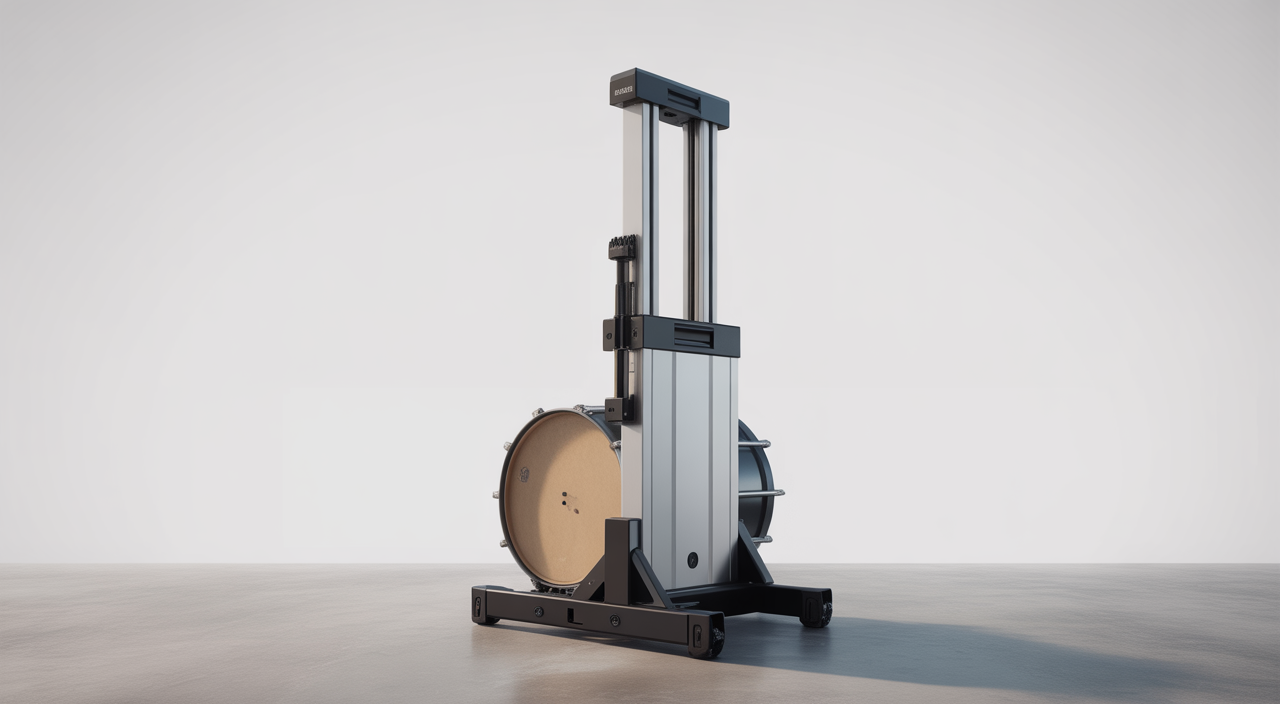
A telescoping portable drum inverter is a piece of drum handling equipment that lifts, rotates, and pours drums, while its mast adjusts up and down. “Telescoping” means the main column slides inside itself, just like sections of a telescope, to reach different heights. “Portable” means it moves around your plant on wheels or castors.
In practice, it acts like a mobile, adjustable drum tilter. You can pick up a steel, plastic, or fibre drum from the floor, lift it to the height of a mixer, hopper, or IBC, then invert it to pour product safely.
Key Components & Telescoping Mechanism
Most units include:
- Base with wheels: For easy movement between lines or buildings.
- Telescoping mast: Sliding vertical sections that give extra lift height without a huge footprint.
- Drum cradle or clamp: Holds the drum firmly so it cannot slip while tilting.
- Rotation mechanism: Allows controlled inverting, often up to 180 degrees.
- Controls: Simple levers or buttons for lifting and rotating.
The telescoping mast is the real advantage. Instead of buying several fixed‑height drum inverters for different machines, one telescoping unit can serve many fill points, saving both floor space and capital.
Manual vs Hydraulic Telescoping Systems
Most telescoping portable drum inverters fall into two broad types:
- Manual inverters: Use hand pumps, cranks, or gearboxes. They are lower in cost and good for lighter drums or smaller plants.
- Hydraulic inverters: Use hydraulic power for lifting and often for rotation. They handle higher capacities and make frequent operations much easier on workers.
For Indian facilities planning for growth, hydraulic units usually pay off over time, as they cut cycle times and make future upgrades smoother.
Top Benefits of Telescoping Drum Inverters
Better Ergonomics & Worker Safety
Manual drum tipping is a common cause of back and shoulder injuries. A telescoping drum inverter keeps most of the work mechanical, not physical. The operator stands in a safe position, uses the controls, and the machine does the lifting and rotating.
This supports material handling safety goals, helps you align with industrial safety guidelines, and can reduce lost‑time incidents significantly.
Flexible Height Adjustment
In many plants, machines are installed at different heights for historical reasons or due to local constraints. A fixed drum dumper might suit one mixer but not another. A telescoping unit adjusts to multiple pour points, racks, and platforms.
This flexibility is especially helpful if you expect to expand or reconfigure your production lines. You preserve your investment instead of replacing equipment each time layouts change.
Reduced Product Waste & Better Spill Control
Because the drum tilter can align more precisely with the receiving vessel, you get smoother pouring and less splashing. Many models also allow slow, controlled rotation, which reduces foaming and loss of high‑value liquids or powders.
Less waste and fewer spills translate into direct savings, cleaner floors, and easier compliance with environmental rules.
Telescoping vs Fixed Drum Inverters
When you compare a telescoping portable drum inverter with a fixed‑height inverter, some clear differences appear:
- Reach: Telescoping units serve low and high pour points with one frame.
- Mobility: Portable models roll between work areas instead of staying bolted down.
- Investment value: One versatile unit can replace several single‑purpose devices.
The only trade‑off is that telescoping systems can be slightly more complex. However, with modern designs and good training, they remain very user‑friendly.
How to Choose the Right Telescoping Portable Drum Inverter
1. Capacity and Load Rating
Start with your heaviest drum when full, including product, drum weight, and any liners or accessories. Choose a drum inverter that comfortably exceeds this weight, not just matches it. This gives a safety margin and ensures long life.
2. Drum Types & Materials
List all drum sizes and materials you use, such as 200‑litre steel drums, plastic drums, or fibre drums. Check that the clamps or cradle can grip each type securely. Adjustable clamps are ideal if you handle a mix of drums across several plants.
3. Power & Energy Efficiency
Manual models have low operating costs but higher labour input. Hydraulic drum inverters, especially with efficient power packs, give smoother control and wide capacity. For Indian conditions, also consider voltage compatibility, power stability, and service support in your region.
4. Safety & Compliance Features
Look for features such as:
- Mechanical locking devices for the mast
- Secure drum locking and secondary restraints
- Guarded pinch points and clear operator zones
- Emergency stop buttons and clear labels
These features help you stay aligned with global best practices and your own corporate safety standards.
Simple Operating Workflow
Pre‑Use Checks
Before each shift, your team should:
- Inspect the wheels, mast, clamps, and hoses.
- Check for leaks or loose fasteners.
- Test lift and rotate functions without a load.
Loading, Inverting, and Returning
Next steps are simple:
- Position the base and engage any brakes.
- Use the clamp or cradle to secure the drum firmly.
- Lift using the telescoping mast until you reach the target height.
- Rotate to the desired angle and pour at a controlled speed.
- Return the drum upright and lower it safely back to the floor or pallet.
Short, clear procedures help new workers learn quickly and keep operations consistent across shifts.
Maintenance Tips
- Grease pivot points and mast sliders as recommended.
- Inspect clamps and chains or straps for wear.
- Check hydraulic oil levels and hose conditions regularly.
These small steps extend equipment life and keep performance smooth.
Real‑World ROI for Indian Investors
For Indian investors looking at brownfield upgrades or new plants, a telescoping portable drum inverter can support three goals at once: safety, productivity, and flexibility. By reducing manual handling, you protect your workforce and cut the risk of costly disruptions.
At the same time, faster and cleaner drum emptying shortens batch times and reduces material losses. Over a few years, this can offset the capital cost and add real value to your portfolio, similar to how smart upgrades in other sectors improve efficiency, as seen in guides on using integrated design and build services to increase efficiency.
Planning Your Next Step
When you shortlist vendors, compare not only price but also after‑sales support, local service presence, and training options. A strong partner gives you installation guidance, operator training, and quick access to spare parts.
If you work in pharmaceuticals or food processing, you may also want to study specialised guidance on hygienic drum handling for regulated environments. This helps you align drum handling choices with quality and cleanliness goals.
FAQs About Telescoping Portable Drum Inverters
Q1. Can one telescoping portable drum inverter serve multiple production lines?
Yes. Because the mast height is adjustable and the unit is mobile, one inverter can move between lines, hoppers, and mixers at different levels. This is especially useful in multi‑product plants where layouts change over time.
Q2. Is a telescoping model suitable for both steel and plastic drums?
Most modern designs can handle both, as long as the clamps are sized and padded correctly. When you buy, share your exact drum sizes and materials with the supplier so they can recommend the right gripping system and any extra safety accessories.
Q3. How often should maintenance be carried out?
Light daily checks plus a more detailed monthly inspection work well for most plants. Your supplier’s manual will give a schedule, but treating maintenance as part of routine operations keeps your inverter safe, smooth, and ready for long‑term use.