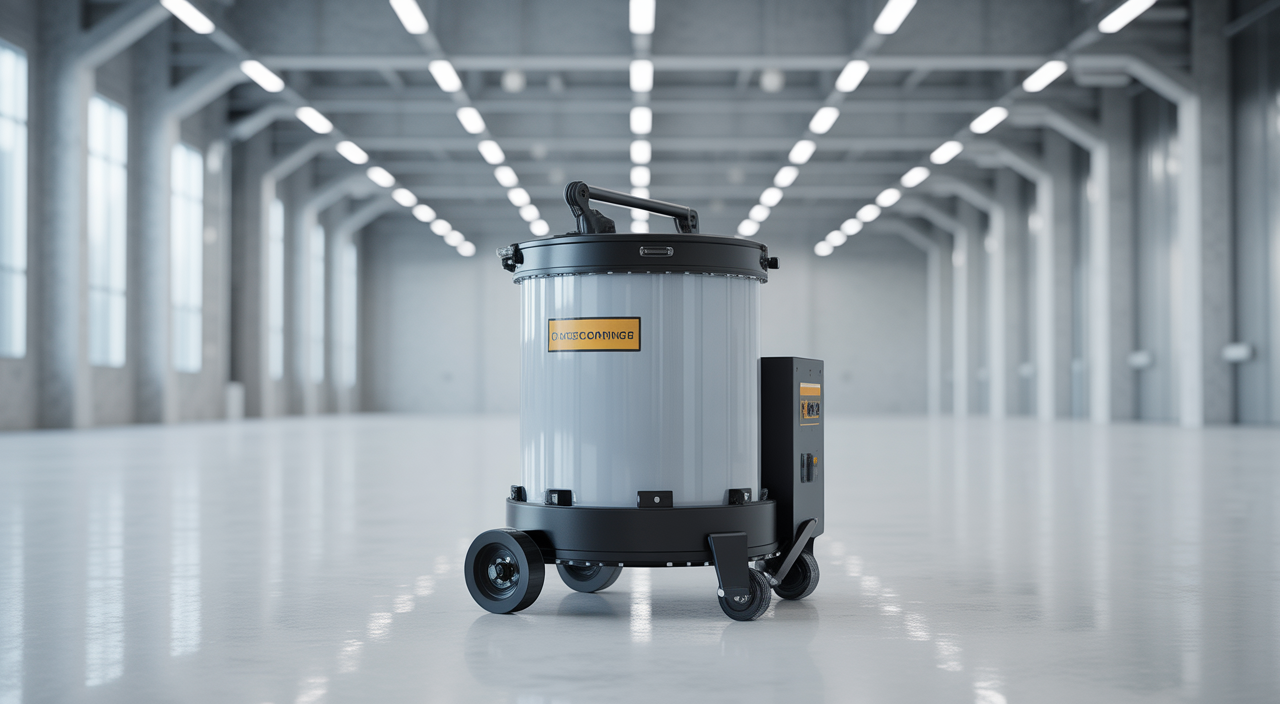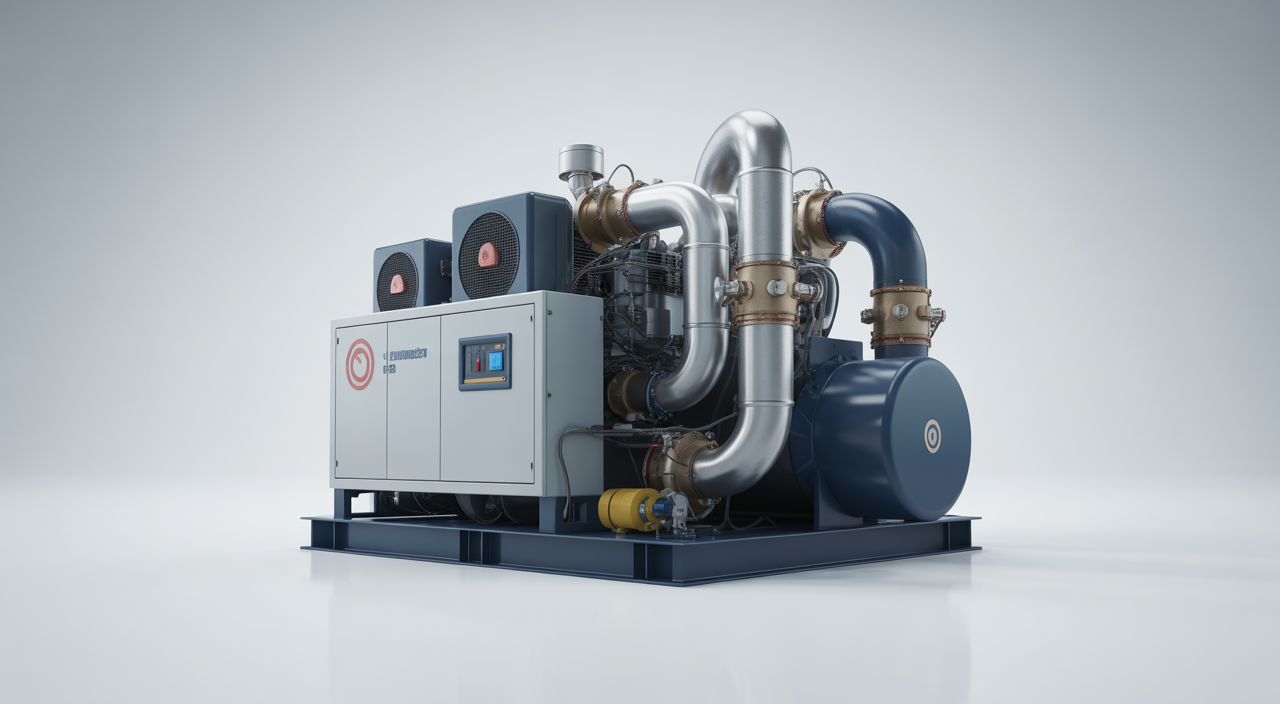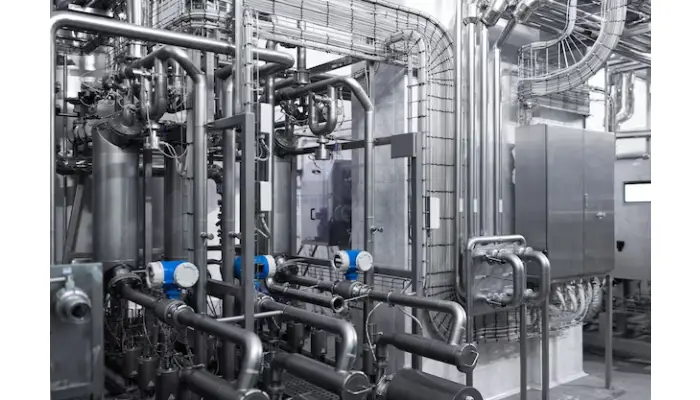
When it comes to selecting a boiler for industrial applications, the advantages of choosing a coil type boiler are manifold. One of the primary benefits is their compact design, which is particularly advantageous for facilities with limited space. Unlike traditional fire-tube or water-tube boilers, coil type boilers occupy a smaller footprint, allowing for easier installation and integration into existing systems. Additionally, their design promotes faster heating, as water flows continuously through the coils, ensuring that the heat exchange process occurs efficiently. This rapid response time is critical in industries where processes depend on consistent and reliable steam or hot water supply. Furthermore, coil type boilers are renowned for their efficiency in energy usage, often achieving higher thermal efficiencies compared to other boiler types. This translates into lower fuel consumption and reduced operational costs, which can significantly impact a facility’s bottom line.
Key Components Of A Coil Type Boiler: What You Need To Know?
Understanding the key components of a coil type boiler is essential for anyone looking to implement this technology in their facility. At the heart of the coil type boiler is the heat exchanger, which consists of a series of coils through which water flows. These coils are designed to maximize surface area, allowing for efficient heat transfer between the combustion gases and the water. The design of the coils is crucial; they are typically constructed from materials that can withstand high temperatures and pressures, ensuring durability and reliability over time. Another vital component is the burner, which provides the necessary heat to raise the water temperature. The burner must be compatible with the fuel source used, whether it be natural gas, propane, oil, or another alternative fuel. The controls and instrumentation are equally important, as they regulate the boiler’s operation, including temperature, pressure, and water levels, ensuring safe and efficient performance.
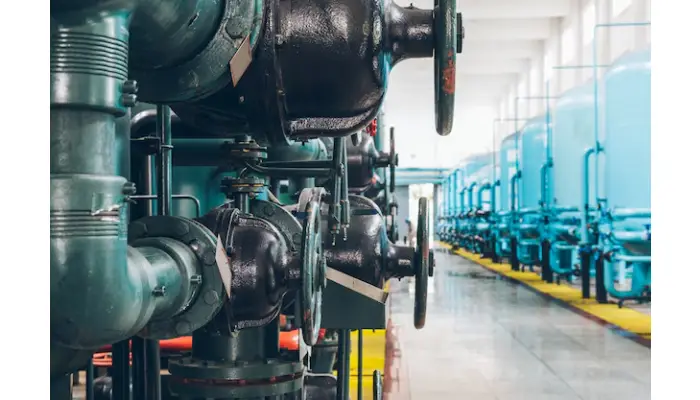
The Energy Efficiency Of Coil Type Boilers: Saving Costs And Resources
One of the standout features of coil type boilers is their exceptional energy efficiency, which can lead to significant savings in both costs and resources. The design of these boilers facilitates rapid heat transfer, enabling them to achieve higher thermal efficiencies compared to traditional boiler systems. This efficiency is largely attributed to the way water flows through the coils; as the water moves continuously, it absorbs heat more effectively, resulting in less energy being wasted during the heating process. Consequently, facilities that utilize coil type boilers often experience reduced fuel consumption, which directly translates to lower operating costs. Additionally, the efficiency of coil type boilers can lead to a smaller carbon footprint, making them an environmentally friendly choice for industries aiming to reduce their impact on the planet. Many modern coil type boilers are equipped with advanced combustion control systems that optimize fuel usage, further enhancing energy efficiency.
Installation Process Of A Coil Type Boiler: What To Expect?
The installation process of a coil type boiler requires careful planning and execution to ensure that the system operates efficiently and safely. First, a thorough site assessment is conducted to evaluate the space available for the boiler, as well as the existing infrastructure, including plumbing and electrical connections. This assessment is crucial for determining the specific requirements for installation and identifying any necessary modifications to accommodate the new equipment. Once the site is deemed suitable, the installation begins with the proper positioning of the boiler, which should be done with attention to clearance requirements for maintenance access and safety regulations. The next step involves connecting the boiler to the fuel source, whether it’s natural gas, oil, or another alternative. This requires adhering to local codes and regulations to ensure a safe and compliant setup. Additionally, the feedwater system must be installed, including pumps and valves that regulate water supply to the boiler.
The Role Of Coil Type Boilers In Modern Industry: Meeting Today’s Demands
Coil type boilers play a pivotal role in modern industry, providing essential heating solutions that meet the diverse demands of contemporary applications. As industries evolve and expand, the need for reliable and efficient thermal energy sources has become increasingly critical. Coil type boilers are designed to accommodate a wide range of operational requirements, making them versatile choices for various sectors. For instance, in the food processing industry, where hygiene and efficiency are paramount, coil type boilers deliver high-quality steam required for cooking, sterilization, and cleaning processes. Their rapid heating capabilities ensure that production lines remain operational without significant downtime. Similarly, in the pharmaceutical sector, these boilers are utilized for steam generation needed in sterilization processes, where precise temperature control is crucial to ensure product safety and compliance with industry regulations.
Choosing The Right Coil Type Boiler For Your Facility: Key Considerations
Selecting the right coil type boiler for your facility is a critical decision that can significantly impact your operational efficiency and overall performance. Several key considerations must be taken into account to ensure that you choose a boiler that meets your specific needs. Firstly, it’s essential to assess the heating requirements of your facility, including the amount of steam or hot water needed for your processes. This assessment will help you determine the appropriate boiler size and capacity, ensuring that it can handle your operational demands without unnecessary overcapacity, which can lead to inefficiencies. Next, consider the fuel source that will be used to power the boiler. Different coil type boilers are designed to operate with various fuels, including natural gas, propane, and oil, and selecting a boiler compatible with your available fuel source is crucial for seamless operation. Additionally, the efficiency rating of the boiler should be examined, as higher efficiency models will result in lower fuel costs and reduced environmental impact.
Innovations In Coil Type Boiler Technology: What’s New In The Market?
The landscape of coil type boiler technology is continually evolving, with innovations aimed at enhancing efficiency, safety, and performance. One of the most significant advancements in recent years is the integration of smart technology and automation into boiler systems. Modern coil type boilers are increasingly equipped with advanced control systems that allow for real-time monitoring and data analysis, enabling operators to optimize performance and detect potential issues before they become significant problems. These intelligent systems can adjust parameters such as fuel flow, air intake, and water feed automatically, ensuring that the boiler operates at its most efficient settings based on real-time conditions. Another noteworthy innovation is the development of hybrid coil type boilers, which can utilize multiple fuel sources, providing greater flexibility and energy security for facilities.
Conclusion
In conclusion, coil type boilers represent a vital component of modern industrial heating solutions, offering numerous advantages that cater to the diverse needs of various sectors. Their compact design, rapid heating capabilities, and energy efficiency make them an attractive option for facilities seeking reliable thermal energy sources. By understanding the key components of coil type boilers, evaluating their energy-saving potential, and being aware of the installation process, operators can maximize the benefits of these systems. Furthermore, as industries face evolving demands, coil type boilers play a crucial role in meeting contemporary heating requirements while contributing to sustainability efforts. Choosing the right coil type boiler involves careful consideration of operational needs, fuel sources, efficiency ratings, and available installation space, ensuring a tailored solution that aligns with specific facility requirements.